What Are You Looking For?

PA6 vs. PA66 vs. PA12: How to Select the Right Nylon for Industrial Applications
PA6, PA66 and PA12 are all polyamides, but their structures create different balances of stiffness, toughness, moisture response, temperature capability and processing behavior. PA6 is often selected for its toughness and broad processing window; PA66 commonly offers higher stiffness and heat capability in comparable grades; PA12 generally absorbs less moisture and can provide dimensional stability and flexibility. These are tendencies—not guarantees—because reinforcement, additives, molecular weight and conditioning can change the result substantially.
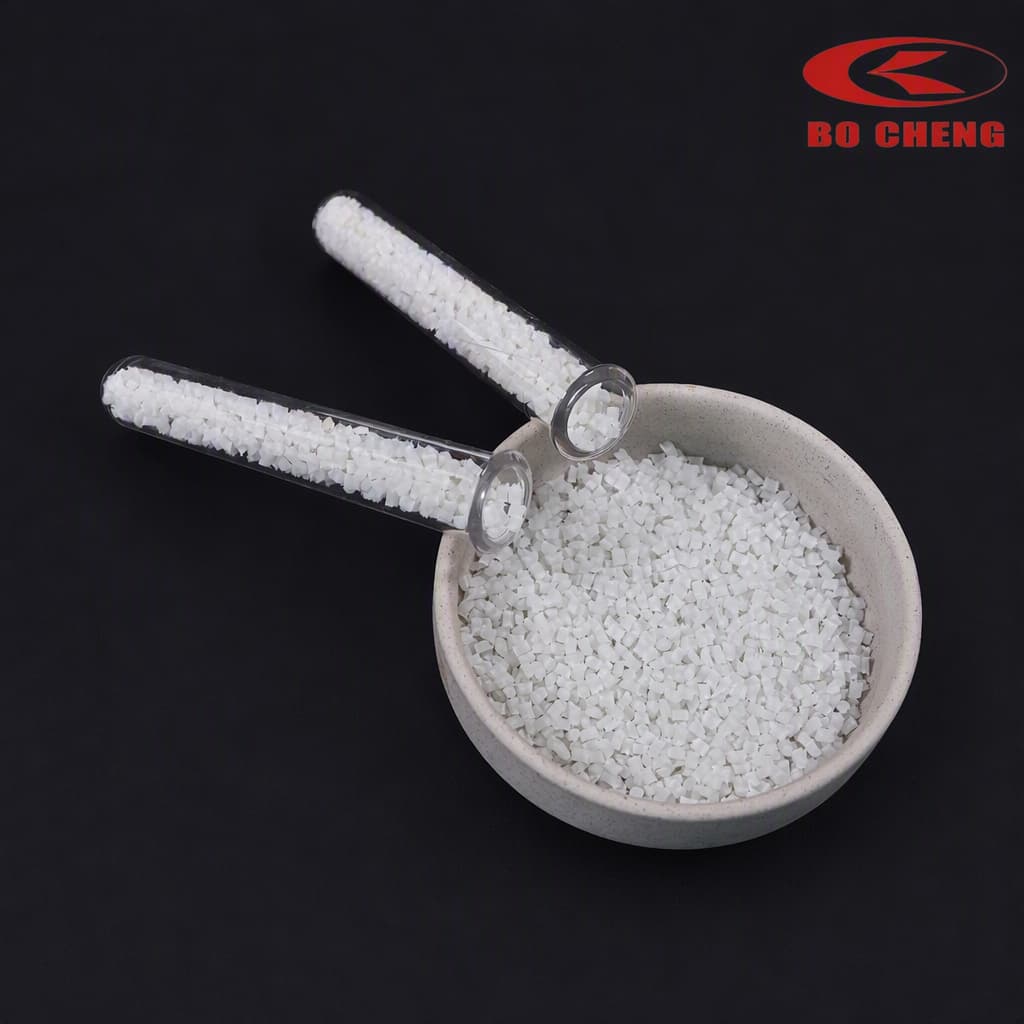
Key Material and Engineering Considerations
In practice, grade comparisons should be made using the same specimen type, test standard, temperature and moisture condition. Unfilled resin, reinforced compounds and impact-modified grades should not be placed in one comparison as though only the base polymer changed. The formulation may shift the balance of strength, toughness, shrinkage, flow and surface finish.
Start with the part’s operating temperature, load type, exposure to water or chemicals, dimensional tolerances and manufacturing process. Compare datasheets under the same test method and conditioning state. For demanding applications, validate the selected grade using molded parts rather than relying only on resin-level values.
A useful selection workflow is to rank the requirements before comparing grades: the most important load case, maximum and minimum temperature, moisture or chemical exposure, tolerances, manufacturing method, and any approval or regulatory requirements. This prevents a datasheet comparison from being driven by a property that is not decisive for the application.
For a material shortlist, use a comparison matrix that records the test method, specimen condition and grade designation. This prevents misleading comparisons between dry-as-molded and conditioned data or between unfilled and reinforced compounds.
A reliable material decision combines a clear definition of service conditions, supplier technical documentation and validation on the intended component. For demanding applications, include relevant mechanical, thermal, dimensional, environmental or process tests and keep the grade designation and batch records traceable.
If you are comparing nylon grades for a specific component, share the required properties, operating conditions and processing method with the material supplier. A focused technical review can help narrow the options and plan a practical validation trial.
Our official website:pa6-pa66.com