What Are You Looking For?

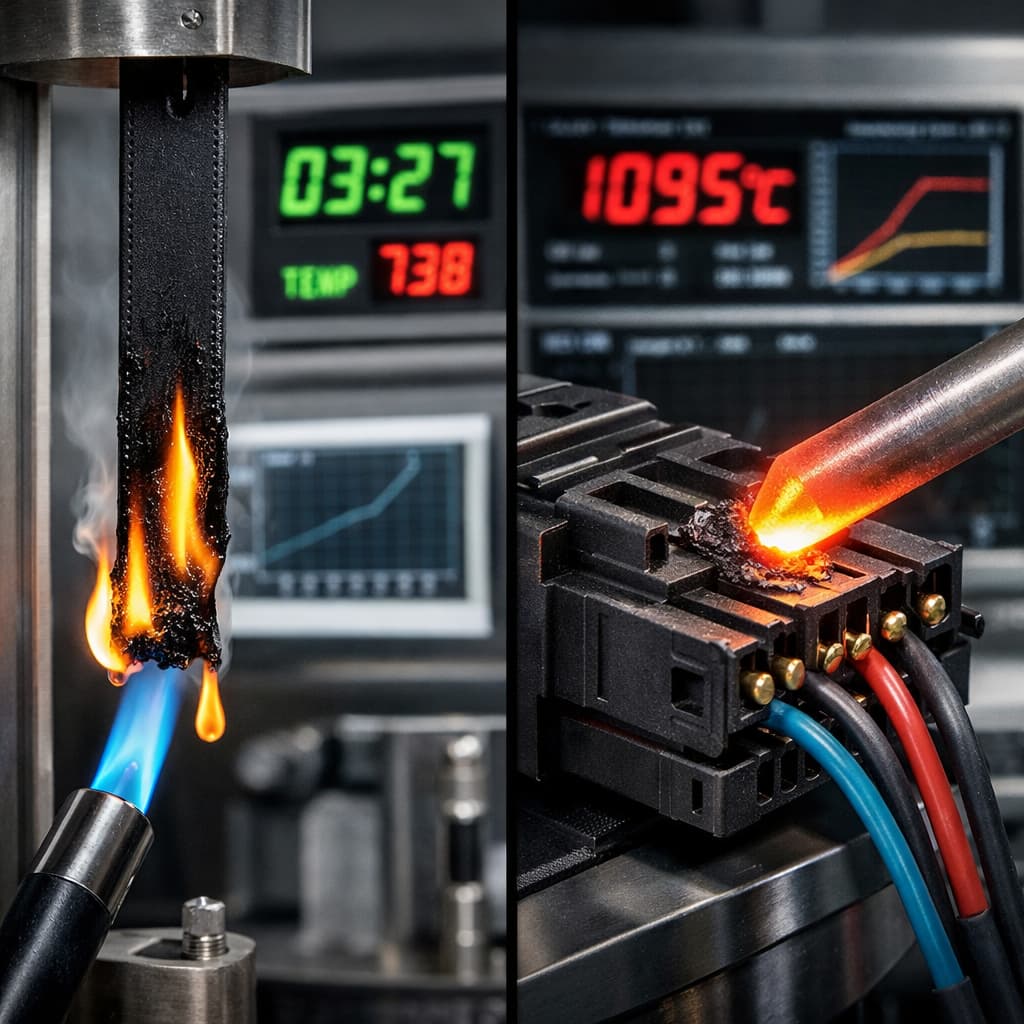
The landscape of fire safety for engineering plastics is rapidly shifting, driven by updates to UL 94 and IEC 60695 standards. While UL 94 remains the benchmark for vertical flammability classification, the emphasis on Glow Wire Ignition Temperature (GWIT) under IEC 60695 reflects a growing concern for localized overheating in electronics. For modified nylon, achieving a V-0 rating is no longer sufficient for components used in unattended appliances. Manufacturers must now optimize formulations for higher thermal stability and resistance to carbon tracking. The transition toward halogen-free flame retardants (HFFR) is accelerating, as these materials offer a superior balance between low smoke toxicity and high Relative Tracking Index (CTI), essential for modern high-voltage connectors and power distribution systems.