What Are You Looking For?

Analysis on Feasibility Limits of Domestic Modified Nylon in Mid & High-End Application Fields 2
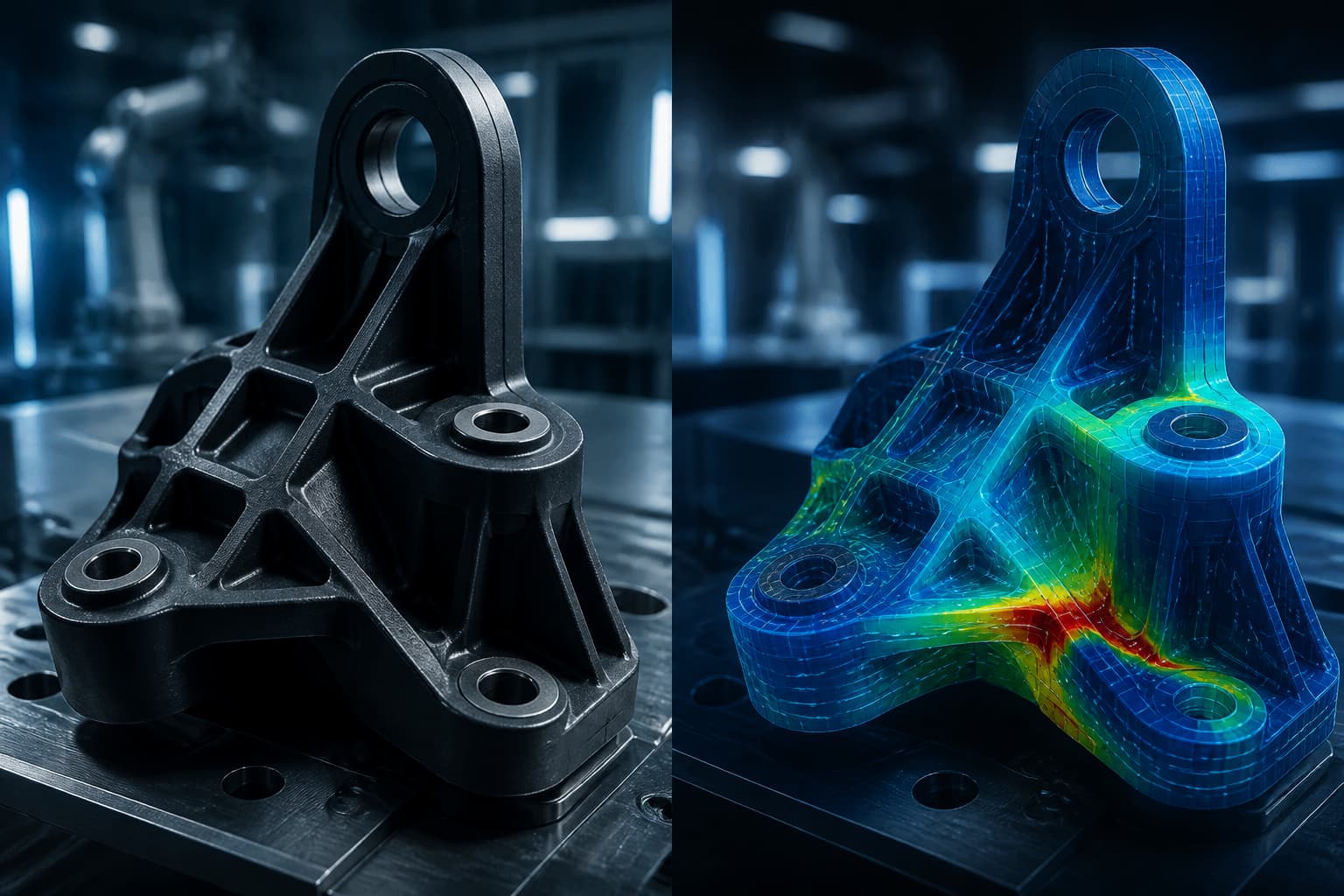
Beyond the purity and molecular structure of the base resin, the synergy between crystallization kinetics and additive interfaces is crucial in determining the final molded state of modified nylon. Top-tier international high-performance nylons typically employ highly confidential nucleating agent systems and specially customized glass fiber sizing (silane coupling agents) that form nearly perfect chemical bonds with the polyamide matrix. When domestic alternative materials attempt to replicate this performance through reverse engineering, they often fail when faced with the touchstone of hydrothermal aging. The fragile interfacial adhesion between the glass fiber and the resin matrix is the greatest hidden danger. In high-temperature and high-humidity environments, water molecules rapidly penetrate the microscopic interface, not only severing the hydrogen bond network to cause plasticization but also drastically lowering the material's Glass Transition Temperature (Tg). Empirical data indicates that while certain domestic 33% glass-fiber-reinforced PA66 may match imported materials in mechanical performance under "dry-as-molded" (DAM) conditions, after 1000 hours of hydrothermal aging in an 85°C/85% RH environmental chamber, their tensile strength may experience a precipitous drop of over 50%. In contrast, the degradation rate of imported benchmark materials is strictly controlled within 20%. This interfacial collapse directly results in the loss of dimensional tolerances and load-bearing capacity of the parts.
Based on this deep, fundamental understanding of materials, engineering teams must abandon simplistic "cost-reduction replacement" thinking when evaluating the feasibility boundaries of domestic nylon, shifting instead toward establishing data-validated evaluation models for specific application scenarios. For high-temperature polyamides (e.g., PPA) used in SMT (Surface-Mount Technology) processes, it is imperative to utilize Thermogravimetric Analysis (TGA) coupled with mass spectrometry to precisely analyze the outgassing composition and weight loss rate of the material at the 260°C reflow soldering peak temperature, thereby identifying micro-blistering risks caused by inferior thermal stabilizers. For structural components continuously exposed to alternating high and low-temperature environments, one must not rely solely on ambient temperature stress-strain curves. Instead, Dynamic Mechanical Analysis (DMA) tests must be mandatorily introduced to track the true trajectory of the material's storage modulus over temperature gradients, combined with high-frequency fatigue life testing (S-N curves) to confirm long-term reliability. Objectively speaking, in low-to-medium intensity scenarios such as non-core load-bearing structures or standard interior parts, domestic modified nylon has successfully crossed the feasibility boundary, demonstrating tremendous commercial value. However, for "hardcore" components with ultra-thin walls, requiring long-term resistance to high-temperature chemical corrosion, or operating in continuous high-voltage discharge environments, acknowledging the gap in molecular chain design and interface engineering—and adopting a more rigorous, closed-loop validation involving long-term thermal aging and rheology—is the only scientific approach to ensuring the baseline quality of B2B hardware products.