What Are You Looking For?

Electrical Housing Safety: Insights from a High Quality PA66 GF30 FR V0 Supplier
Modern electrical architectures demand rigorous thermal stability, mechanical strength, and reliable fire safety standards. As miniaturization accelerates across consumer electronics, industrial switchgear, and energy distribution networks, internal operating temperatures rise significantly. Design engineers face growing pressure to select structural materials that withstand high heat without compromising structural integrity or electrical insulation. Evaluating specialized engineering thermoplastics becomes essential to prevent thermal runaways, short circuits, and catastrophic fire hazards. Selecting a trustworthy material supplier is paramount in this engineering process. Working alongside a recognized High Quality PA66 GF30 FR V0 Supplier provides electrical equipment manufacturers with crucial technical guidance, verified flame retardancy, and consistent compound quality. Consequently, comprehensive material selection guides now serve as vital engineering benchmarks. These guides effectively bridge global safety directives with practical manufacturing considerations across diverse industrial markets worldwide.
International safety frameworks continuously adapt to higher environmental and operational standards. Regulatory directives such as IEC 60335 for household appliances and UL 60950/62368 for information technology equipment enforce strict flammability rules. Historically, component manufacturers relied heavily on halogenated flame retardants due to their cost efficiency and effective gas-phase flame suppression mechanisms. However, halogen-based additives release toxic, corrosive fumes during combustion. These emissions create significant health and environmental risks during thermal breakdown or accidental structural fires.
In response, modern regulatory updates, aligned with European Union RoHS and REACH directives, strongly incentivize halogen-free flame retardant (HFFR) systems. Modern HFFR technology relies on phosphorus, nitrogen, or inorganic mineral mechanisms to control combustion effectively. These advanced formulations form protective carbonaceous char layers during thermal exposure, which effectively cut off oxygen access and reduce hazardous smoke density. Polyamides modified with these eco-friendly additives fulfill stringent environmental compliance mandates while retaining exceptional dielectric strength and volume resistivity. Therefore, transitioning toward sustainable flame-retardant polyamide compounds represents both a regulatory obligation and a strategic performance advantage for forward-thinking electrical component manufacturers worldwide.
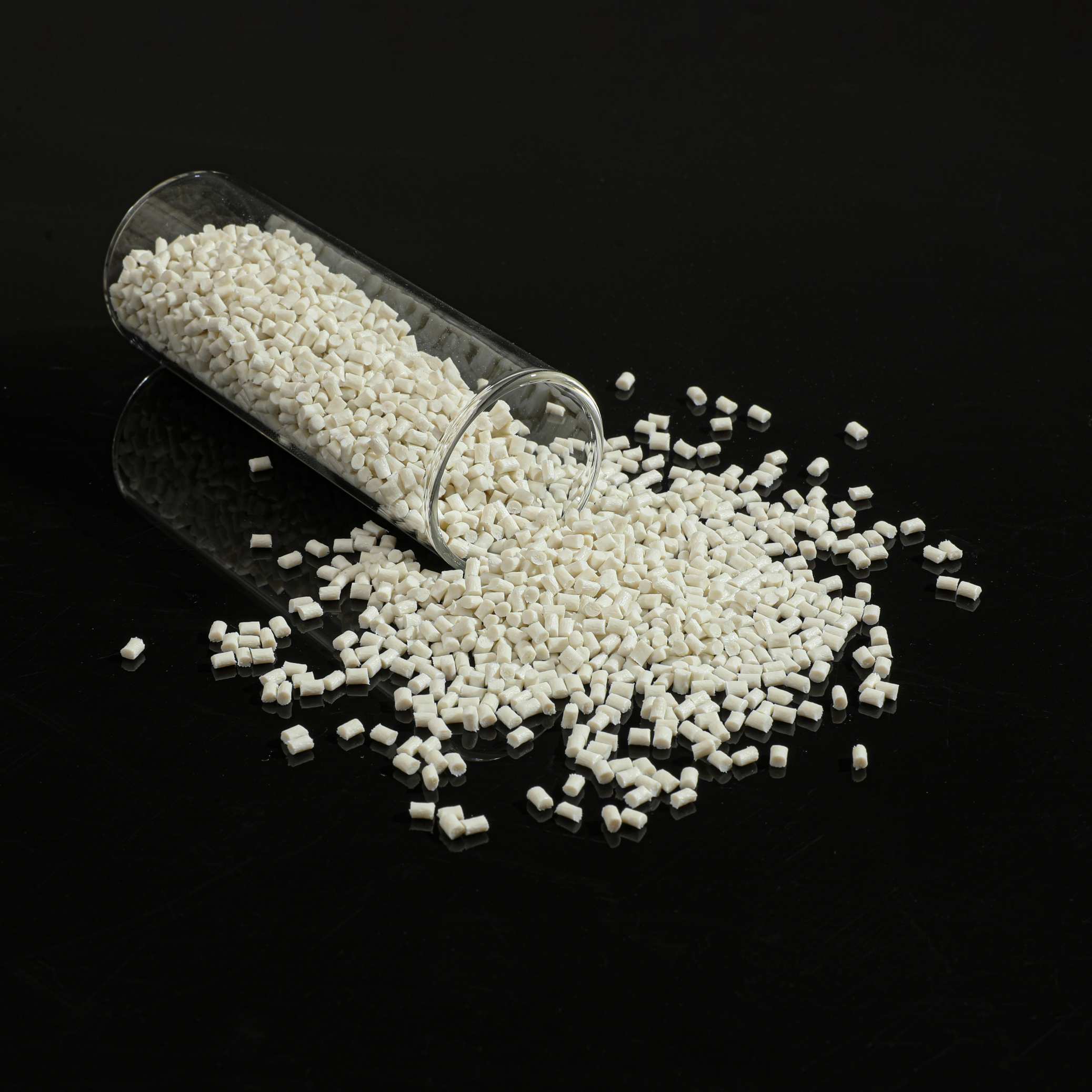
Understanding flame retardancy requires a detailed look at international testing metrics, primarily the UL94 standard published by Underwriters Laboratories. The UL94 V0 rating represents one of the highest vertical burning safety classifications achievable for solid plastic compounds. During standardized laboratory testing, technicians subject vertically clamped bar specimens to controlled burner flames for two sequential 10-second applications. To achieve a V0 classification, individual afterflame combustion times (t1 and t2) must not exceed 10 seconds. Furthermore, the total accumulated afterflame time for five test specimens across ten ignitions must remain strictly under 50 seconds.
Crucially, test specimens must produce zero flaming drips that could ignite the surgical cotton placed directly beneath the testing apparatus. Beyond basic UL94 flammability ratings, advanced electrical safety protocols evaluate the Glow Wire Flammability Index (GWFI) and Glow Wire Ignition Temperature (GWIT) according to IEC 60695 specifications. A high GWFI score, such as 960 degrees Celsius, confirms that the polymer self-extinguishes rapidly after direct contact with an electrically heated wire element. Similarly, a high GWIT score ensures that hot internal components do not initiate open flames during unexpected electrical overload conditions. These rigorous test criteria give design engineers absolute confidence when selecting materials for unattended electrical housing units.
Achieving fire safety alone is insufficient for demanding structural electrical housings. Outer casings, terminal blocks, and internal supports must endure mechanical vibrations, physical impacts, and continuous thermal stress during daily operation. Integrating 30% short glass fibers into Polyamide 66 matrix creates a formidable engineering compound known as PA66 GF30. Glass fiber reinforcement increases tensile strength, flexural modulus, and dimensional stability by a substantial margin. Additionally, it elevates the Heat Deflection Temperature (HDT) under heavy load, allowing structural components to perform reliably in operating environments exceeding 150 degrees Celsius.
However, glass fiber insertion introduces a complex physical phenomenon known as the candlewicking effect. Fibers exposed at the material surface during burning can draw molten polymer upward through capillary action, continually feeding the flame and threatening combustion control. Advanced compounding techniques solve this challenge through precise additive dispersing, optimizing char formation to encapsulate glass fibers during flame exposure. Furthermore, modern PA66 GF30 FR V0 formulations carefully preserve the Comparative Tracking Index (CTI), typically maintaining performance ratings above 600 volts. This exceptional dielectric property prevents electrical arcing across conductive surface tracks, striking an ideal balance between mechanical stiffness, flame resistance, and high-voltage insulation reliability.
Electrical components operate under diverse physical stress conditions, necessitating tailored material properties across different device architectures. In high-density terminal blocks and multi-pin connectors, thin-wall flame retardancy becomes critical. Materials must achieve certified UL94 V0 ratings at wall thicknesses down to 0.8 millimeters or 1.6 millimeters without warping or losing dimensional precision. Precise melt flowability during precision injection molding ensures complete filling of intricate mold geometries, preventing internal voids or structural weak points in critical component walls.
For miniature circuit breakers (MCBs) and molded case circuit breakers (MCCBs), outer housings must withstand sudden thermal shocks, mechanical recoil, and internal arc flashes. Mechanical structural integrity must remain fully intact during high-current fault conditions to prevent catastrophic casing rupture. Moreover, structural components deployed in automotive and industrial parts manufacturing require exceptional resistance to automotive fluids, industrial chemicals, and broad operational temperature swings ranging from -40 degrees Celsius to over 150 degrees Celsius. Meeting these demanding benchmarks demands consistent raw polymer sourcing, stringent compounding quality control, and deep material processing expertise across all production stages.
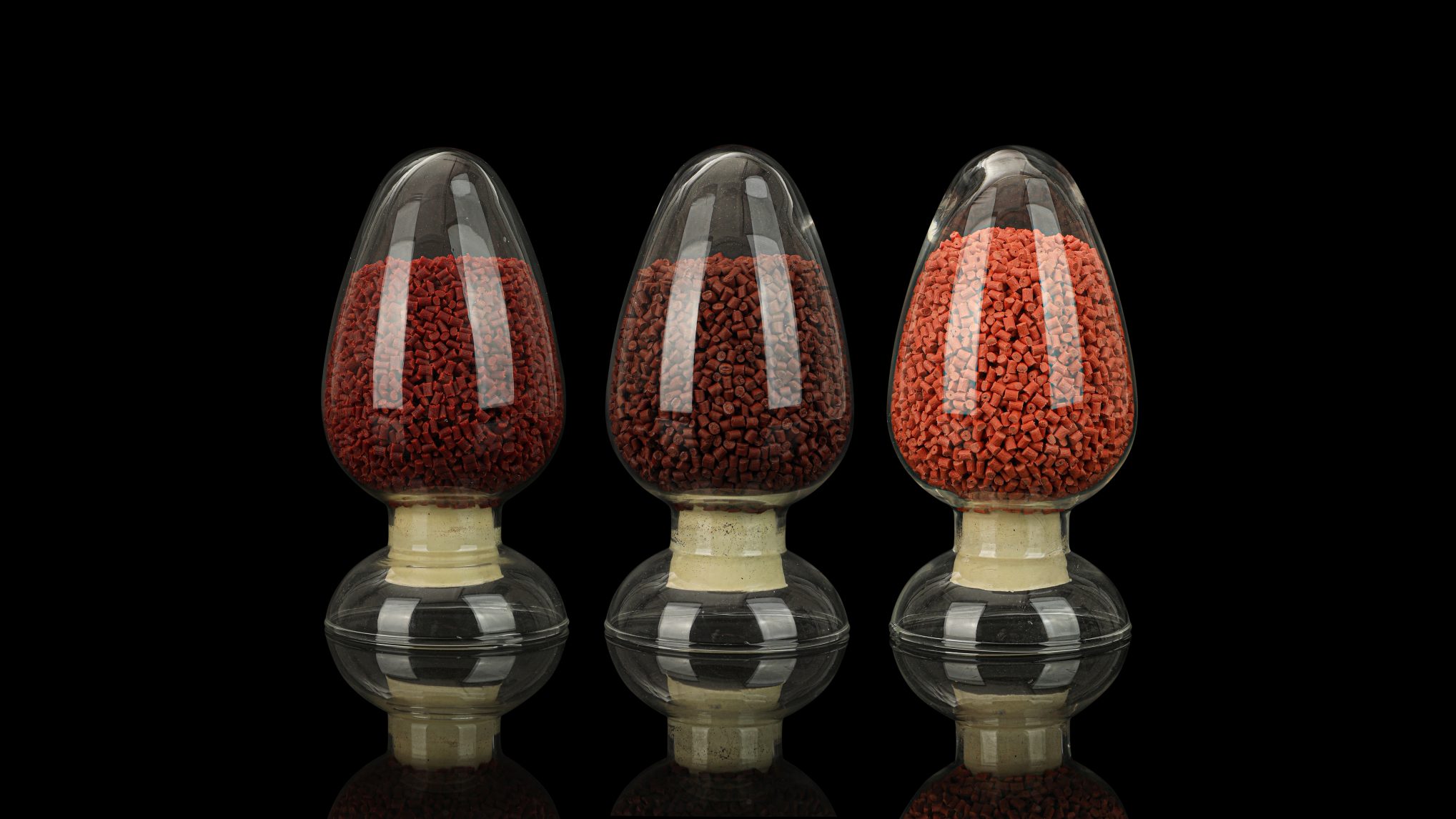
Meeting these demanding technical specifications requires close collaboration with experienced engineering material compounders. BOCHENG(Xiamen Bocheng Plastic Materials Co., Ltd) has established itself as a leading innovator in modified engineering thermoplastics. The enterprise specializes in high-performance PA6, PA66, and specialty flame-retardant formulation technologies, delivering premium material solutions engineered specifically for demanding industrial environments. Through meticulous formulation development and rigorous testing, BOCHENG ensures that its PA66 GF30 FR V0 materials deliver consistent mechanical strength, verified flame ratings, and superior thermal endurance batch after batch.
In addition to standardized material grades, Xiamen Bocheng Plastic Materials Co., Ltd offers customized compounding services designed to meet specialized application requirements. The engineering team actively assists original equipment manufacturers (OEMs) and injection molders with custom color matching, rheology modification, and processing parameter optimization. Furthermore, BOCHENG provides comprehensive technical testing support, helping clients streamline their product verification and international certification processes. By maintaining strict quality assurance protocols and utilizing advanced twin-screw extrusion technologies, BOCHENG delivers reliable compound solutions that empower global manufacturers to build safer, more durable electrical assemblies.
Electrical housing safety relies on a holistic design approach that combines regulatory compliance, precise flame resistance testing, and optimized mechanical engineering. Polyamide 66 reinforced with 30% glass fiber and modified with certified V0 flame retardants provides an unmatched balance of physical strength, thermal endurance, and high-voltage electrical safety. Partnering with a dedicated compound manufacturer enables electrical equipment developers to navigate evolving global standards with complete confidence. To explore high-performance modified plastics, detailed technical datasheets, and custom compounding options, visit the official enterprise portal at https://www.pa6-pa66.com/.