Our company

Nylon thermal aging

Home

Nylon thermal aging

  • How to Correctly Interpret Nylon Thermal Aging Test Results Beyond Retention Rate?Section2
    How to Correctly Interpret Nylon Thermal Aging Test Results Beyond Retention Rate?Section2
    Mar 11, 2026
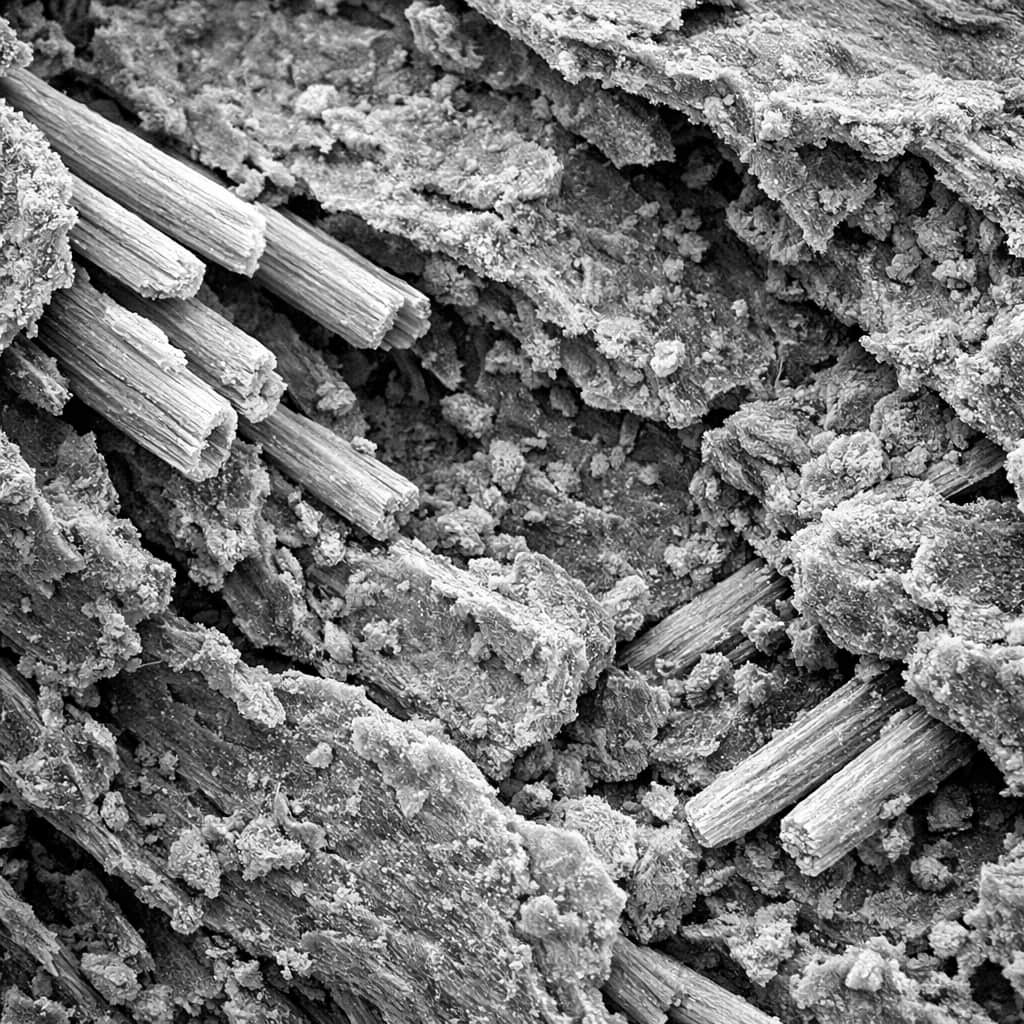
    Another frequently overlooked factor is impact performance. Many reports emphasize tensile strength retention, but in structural applications the real risk often lies in brittle fracture. After prolonged thermal aging, nylon materials may transition from ductile failure to brittle failure. This transition might not be evident in tensile tests but becomes clear in impact testing. Therefore, impact retention and fracture behavior should also be evaluated when assessing thermal aging resistance. Glass-fiber reinforced nylon introduces another dimension to aging analysis. Over long periods at elevated temperatures, the fiber-matrix interface may weaken, affecting fatigue resistance and structural integrity. Microscopic examination of fracture surfaces often reveals fiber pull-out after aging, indicating interfacial degradation. Such observations can provide valuable clues that conventional mechanical tests may overlook. Another practical issue arises when engineers compare aging results from different laboratories. Variations in sample thickness, specimen preparation, and aging conditions can significantly affect test outcomes. For instance, oxygen diffusion through thicker specimens is slower, which can alter the apparent degradation rate. For meaningful comparison, aging tests must be conducted under consistent conditions. Experienced material engineers often complement standard thermal aging tests with application-specific validation. In automotive development, thermal cycling or combined heat-humidity aging tests are commonly performed to simulate real service environments. Although these tests require additional resources, they provide a more reliable prediction of long-term durability. Ultimately, properly interpreting nylon thermal aging results requires a multidimensional evaluation framework. Instead of focusing only on retention values, engineers should consider aging curves, impact properties, interfacial stability, and fracture behavior. When laboratory data are interpreted within the context of real engineering conditions, thermal aging reports become far more valuable tools for material selection.
    Read More
  • How to Correctly Interpret Nylon Thermal Aging Test Results Beyond Retention Rate?Section1
    How to Correctly Interpret Nylon Thermal Aging Test Results Beyond Retention Rate?Section1
    Mar 11, 2026
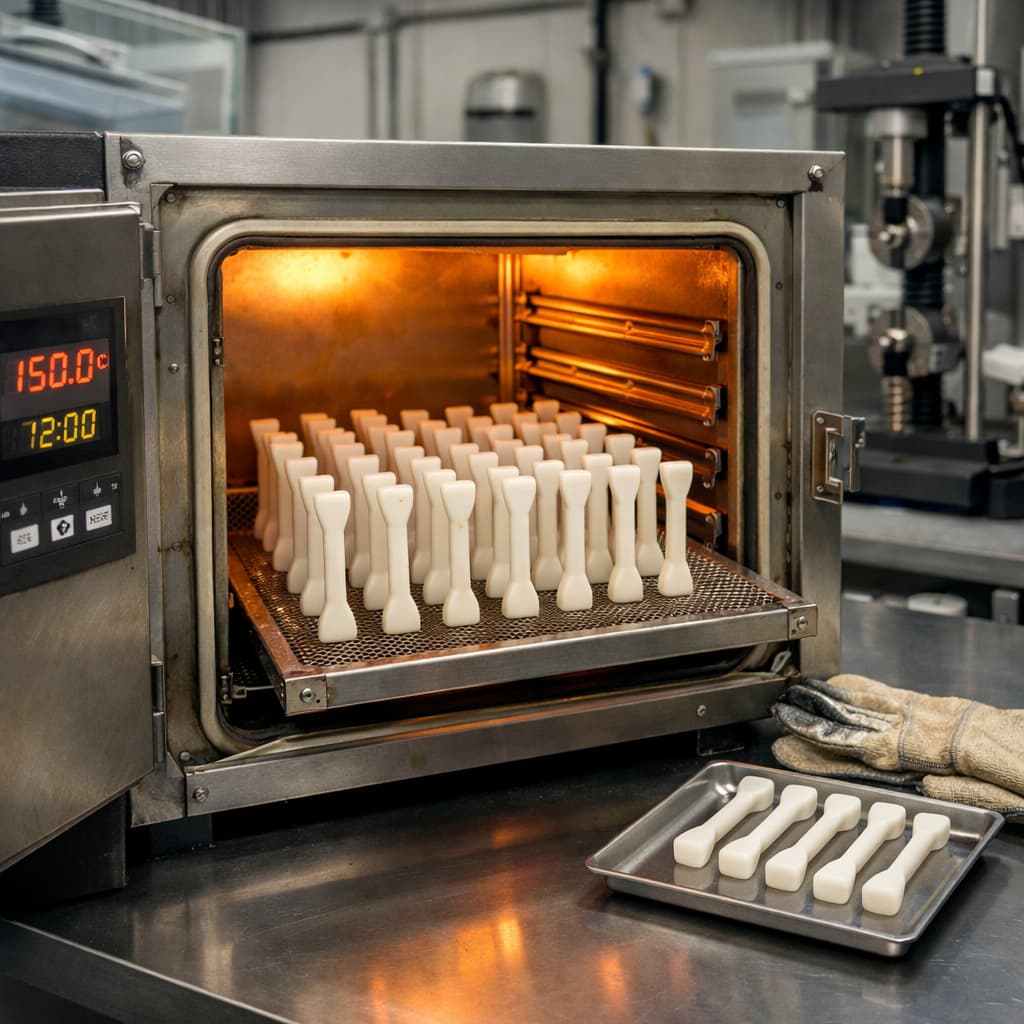
    In many nylon material selection meetings, engineers often focus on a single number in the thermal aging report: the retention rate. For example, a material may retain 75% or 80% of its tensile strength after aging at 150°C for 1000 hours. This value appears intuitive and easy to compare across suppliers. However, in real engineering applications, relying solely on retention rate can be misleading and may hide critical information about long-term material behavior. In practical environments, nylon components rarely experience simple thermal exposure. Automotive under-hood parts, electrical connectors, and industrial mechanical components often operate under combined stresses including heat, humidity, mechanical loads, and temperature cycling. Under such complex conditions, polymer degradation does not follow a simple linear decline. Instead, performance may change in phases during aging. Looking only at a single retention value cannot reveal the full performance evolution of the material. From a materials science perspective, thermal aging of nylon is primarily driven by oxidative degradation of polymer chains. Elevated temperature accelerates the reaction between oxygen and the molecular backbone, causing chain scission and a reduction in molecular weight. Different nylon formulations contain different stabilizers, antioxidants, and glass-fiber interface treatments, which significantly influence aging resistance. Some materials show rapid performance loss in the early stage but stabilize later, while others maintain high retention initially and then degrade suddenly after long exposure. Therefore, interpreting aging results should begin with examining the entire aging curve rather than a single data point. Observing performance changes at multiple intervals such as 250, 500, and 1000 hours provides insight into the degradation pattern. A steep early decline may indicate insufficient stabilization, while sudden late-stage failure may reflect accumulated molecular damage. In engineering practice, the stability of the aging curve is often more meaningful than the final retention percentage.
    Read More

Leave a Message

Leave a Message
If you are interested in our products and want to know more details,please leave a message here,we will reply you as soon as we can.
submit

Home

Products

WhatsApp

contact