How to Correctly Interpret Nylon Thermal Aging Test Results Beyond Retention Rate?Section2
Mar 11, 2026
Another frequently overlooked factor is impact performance. Many reports emphasize tensile strength retention, but in structural applications the real risk often lies in brittle fracture. After prolonged thermal aging, nylon materials may transition from ductile failure to brittle failure. This transition might not be evident in tensile tests but becomes clear in impact testing. Therefore, impact retention and fracture behavior should also be evaluated when assessing thermal aging resistance.
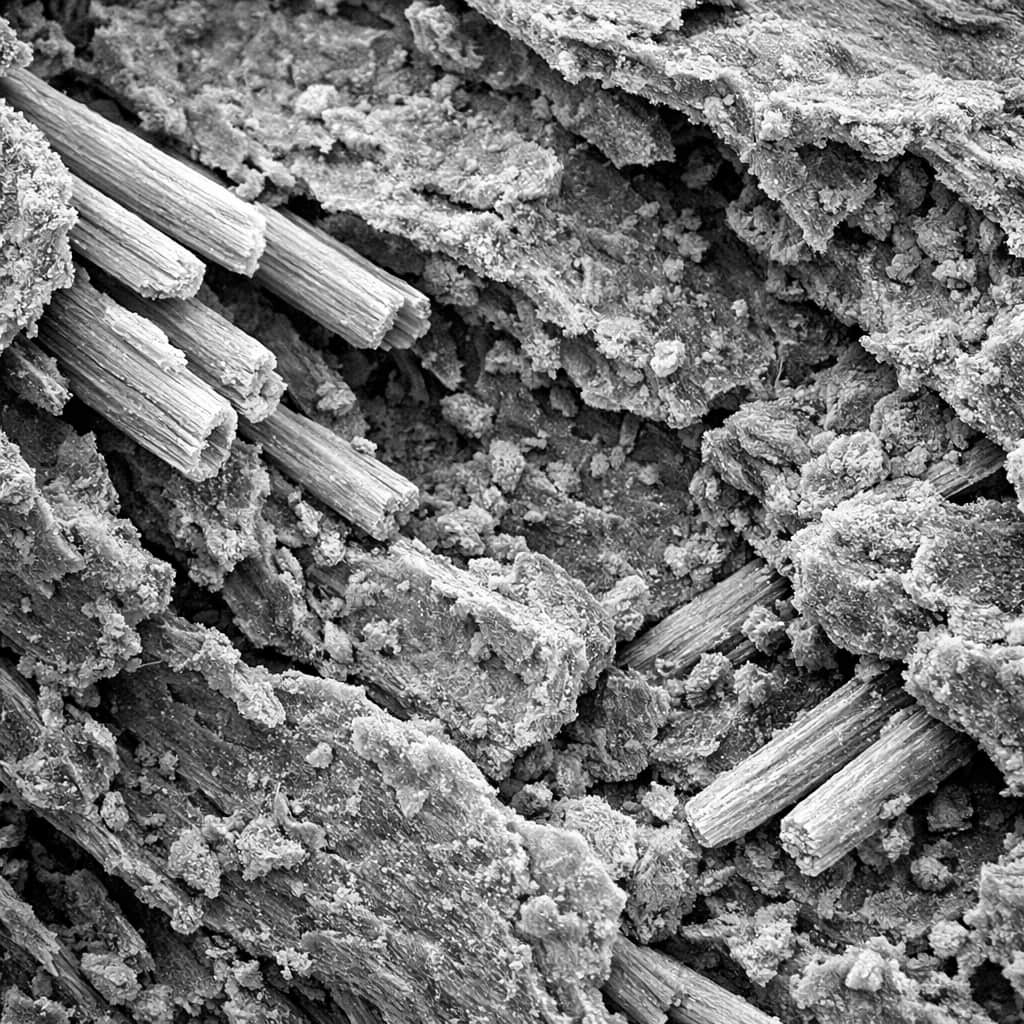
Glass-fiber reinforced nylon introduces another dimension to aging analysis. Over long periods at elevated temperatures, the fiber-matrix interface may weaken, affecting fatigue resistance and structural integrity. Microscopic examination of fracture surfaces often reveals fiber pull-out after aging, indicating interfacial degradation. Such observations can provide valuable clues that conventional mechanical tests may overlook.
Another practical issue arises when engineers compare aging results from different laboratories. Variations in sample thickness, specimen preparation, and aging conditions can significantly affect test outcomes. For instance, oxygen diffusion through thicker specimens is slower, which can alter the apparent degradation rate. For meaningful comparison, aging tests must be conducted under consistent conditions.
Experienced material engineers often complement standard thermal aging tests with application-specific validation. In automotive development, thermal cycling or combined heat-humidity aging tests are commonly performed to simulate real service environments. Although these tests require additional resources, they provide a more reliable prediction of long-term durability.
Ultimately, properly interpreting nylon thermal aging results requires a multidimensional evaluation framework. Instead of focusing only on retention values, engineers should consider aging curves, impact properties, interfacial stability, and fracture behavior. When laboratory data are interpreted within the context of real engineering conditions, thermal aging reports become far more valuable tools for material selection.
Read More