Our company

Nylon material

Home

Nylon material

  • Advanced Layout Directions for Nylon Modified Formulas Under the Compliance Trend of New Energy Vehicle Materials 1
    Advanced Layout Directions for Nylon Modified Formulas Under the Compliance Trend of New Energy Vehicle Materials 1
    Apr 08, 2026
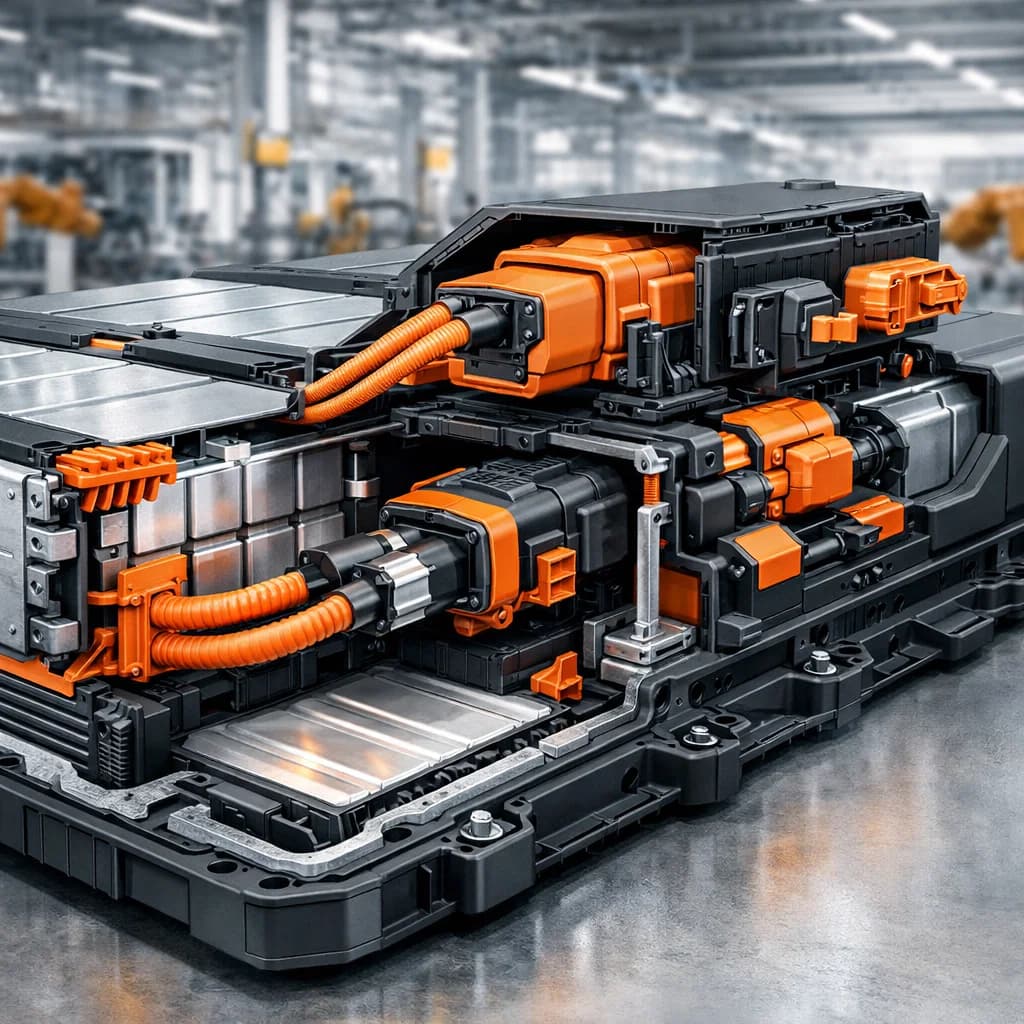
    Over the past decade, the electric vehicle industry has undergone a rapid transition from policy-driven development to market-driven expansion. During this transition, material systems often evolve more slowly than vehicle platform architectures. For engineering plastics suppliers, the challenge is no longer limited to achieving a specific mechanical property or flame-retardant rating. Instead, the real difficulty lies in maintaining stable engineering performance while complying with a rapidly evolving regulatory landscape. In recent years, global material compliance frameworks have become increasingly strict. Regulations such as REACH, RoHS and ELV have already established fundamental environmental requirements for materials used in automotive components. At the same time, new regulatory discussions regarding PFAS restrictions and carbon footprint disclosure are gradually influencing material selection policies adopted by automotive OEMs. These changes are particularly relevant for polyamide compounds, which are widely used in electrical and structural components within electric vehicles. From an engineering perspective, nylon materials are commonly used in battery pack components, high-voltage connector housings, thermal management modules and electric motor peripheral structures. Compared with traditional internal combustion engine vehicles, EV platforms expose materials to different operating conditions. Components near battery modules or electric drive systems often experience continuous operating temperatures above 80–90°C, frequent thermal cycling and exposure to electrical fields. In such environments, the long-term stability of electrical insulation becomes as important as mechanical strength. For example, high-voltage connector housings must maintain dimensional stability while preventing electrical leakage under high humidity conditions. Similarly, structural supports used around battery packs must resist vibration and thermal aging for the entire vehicle lifetime. Understanding these engineering conditions helps explain why traditional nylon modification strategies are gradually being reconsidered. In the past, flame-retardant nylon compounds often relied on red phosphorus or halogen-based systems to achieve UL94 V-0 performance. While these solutions remain technically effective, they present potential challenges in modern EV platforms. Red phosphorus systems may introduce corrosion risks in humid environments, particularly when copper terminals are present. Halogen-based flame retardants are increasingly restricted in certain markets due to environmental concerns. As a result, many compounders are shifting their formulation strategies toward halogen-free flame retardant systems based on phosphorus-nitrogen synergy. These systems often require additional reinforcement technologies to compensate for mechanical property losses caused by flame retardant additives. Mineral fillers or nano-scale reinforcements are sometimes used to improve stiffness and dimensional stability. Another important trend relates to carbon footprint management. Several automotive manufacturers have started requesting life cycle assessment data from material suppliers. This requirement extends beyond simple mechanical performance evaluation and includes raw material origin, manufacturing energy consumption and potential recyclability.  
    Read More

  • How to Avoid Rework Due to EN Standards at the Material Stage for Modified Nylon Projects Exported to Europe? Section2
    How to Avoid Rework Due to EN Standards at the Material Stage for Modified Nylon Projects Exported to Europe? Section2
    Apr 01, 2026
    The automotive industry demonstrates this challenge even more clearly. Many European OEMs require materials to comply with EN ISO, DIN, or VDA standards from the early stages of development. Certain engine-compartment components must retain mechanical strength after long-term exposure to 120 °C and also maintain dimensional stability. If a supplier provides only basic tensile and impact data without thermal aging or humidity testing, additional validation is usually requested. Experience suggests that projects targeting European markets should establish a standards checklist during the material development phase. In most cases, three categories of tests must be identified: mechanical standards, environmental reliability tests, and safety-related standards. Mechanical evaluation typically includes EN ISO 527 tensile testing and EN ISO 178 flexural testing. Environmental reliability may involve thermal aging, humidity aging, or dimensional stability tests. Safety standards may include glow-wire testing, flame retardancy ratings, or electrical insulation performance. In well-structured material development projects, a “testing matrix” is often created at the beginning of development. This matrix lists the relevant standards and defines test conditions such as temperature, humidity, and loading duration. By verifying these conditions early, engineers can significantly reduce the risk of additional testing during customer validation. Another critical factor is batch consistency. European customers often require minimal performance variation between production batches. Therefore, formulation design must consider manufacturing stability. Factors such as glass-fiber content, flame-retardant dispersion, and processing temperature windows can influence final material performance. If these parameters are not validated early, even successful laboratory samples may fail to meet requirements during mass production. In summary, avoiding EN standard rework is less about increasing the number of tests and more about establishing a systematic understanding of the European standards framework. When project teams identify key standards early and verify material performance through structured testing, technical risks in export projects can be significantly reduced.
    Read More
  • How to Correctly Interpret Nylon Thermal Aging Test Results Beyond Retention Rate?Section2
    How to Correctly Interpret Nylon Thermal Aging Test Results Beyond Retention Rate?Section2
    Mar 11, 2026
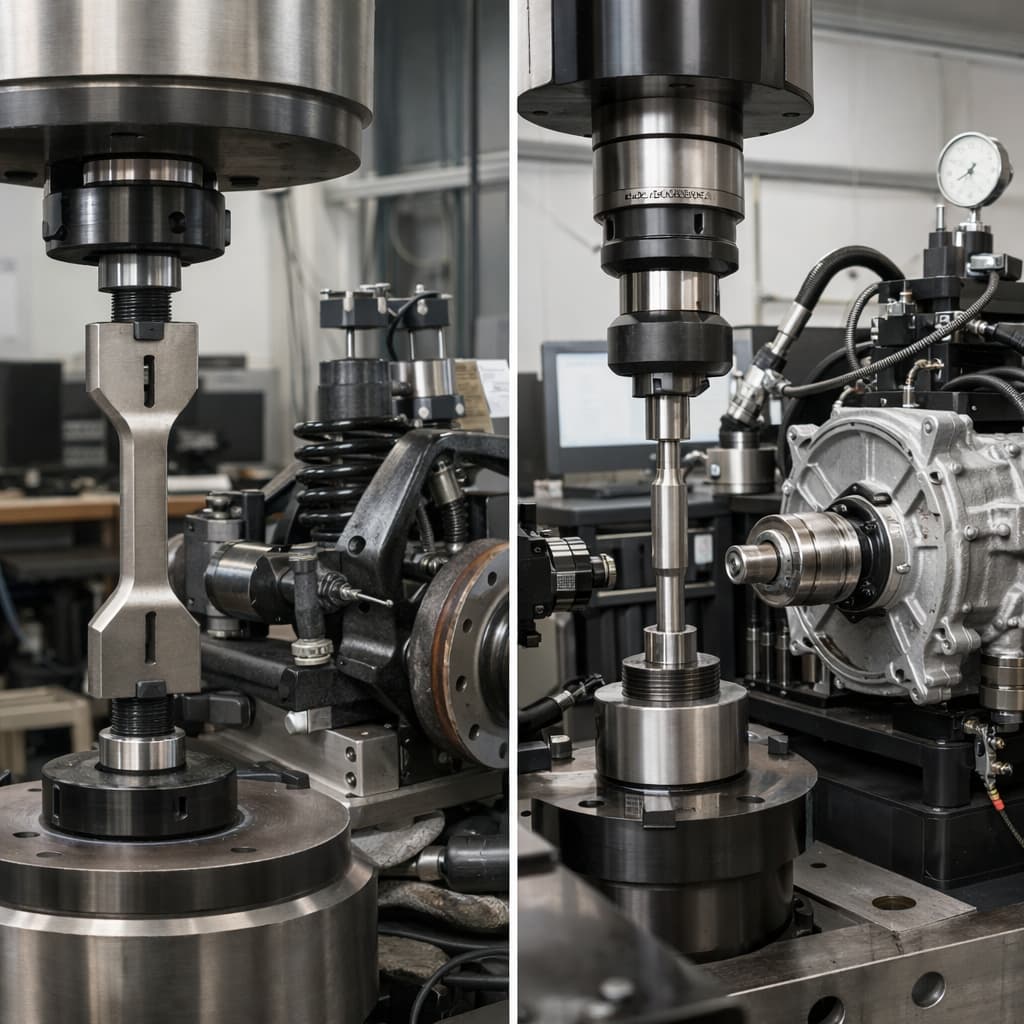
    Another frequently overlooked factor is impact performance. Many reports emphasize tensile strength retention, but in structural applications the real risk often lies in brittle fracture. After prolonged thermal aging, nylon materials may transition from ductile failure to brittle failure. This transition might not be evident in tensile tests but becomes clear in impact testing. Therefore, impact retention and fracture behavior should also be evaluated when assessing thermal aging resistance. Glass-fiber reinforced nylon introduces another dimension to aging analysis. Over long periods at elevated temperatures, the fiber-matrix interface may weaken, affecting fatigue resistance and structural integrity. Microscopic examination of fracture surfaces often reveals fiber pull-out after aging, indicating interfacial degradation. Such observations can provide valuable clues that conventional mechanical tests may overlook. Another practical issue arises when engineers compare aging results from different laboratories. Variations in sample thickness, specimen preparation, and aging conditions can significantly affect test outcomes. For instance, oxygen diffusion through thicker specimens is slower, which can alter the apparent degradation rate. For meaningful comparison, aging tests must be conducted under consistent conditions. Experienced material engineers often complement standard thermal aging tests with application-specific validation. In automotive development, thermal cycling or combined heat-humidity aging tests are commonly performed to simulate real service environments. Although these tests require additional resources, they provide a more reliable prediction of long-term durability. Ultimately, properly interpreting nylon thermal aging results requires a multidimensional evaluation framework. Instead of focusing only on retention values, engineers should consider aging curves, impact properties, interfacial stability, and fracture behavior. When laboratory data are interpreted within the context of real engineering conditions, thermal aging reports become far more valuable tools for material selection.
    Read More
  • Which Nylon Test Data Are Most Commonly Misinterpreted During Material Selection? Section2
    Which Nylon Test Data Are Most Commonly Misinterpreted During Material Selection? Section2
    Mar 04, 2026
    Impact performance is also commonly oversimplified. Notched Izod or Charpy impact values are often used to represent toughness, yet these tests are highly sensitive to notch geometry and specimen dimensions. In real molded parts, weld lines, fiber orientation, and local stress concentrations are far more complex than standardized notches. Engineering experience shows that a high impact number does not necessarily translate into reliable drop resistance or vibration durability. From an engineering validation perspective, mature material selection processes are shifting from single-value comparisons toward operating-condition mapping. This approach aligns real service temperature, humidity, and load profiles with corresponding test conditions, and when necessary, includes secondary testing or pilot molding trials. Although this method increases upfront effort, it significantly reduces systemic risk during mass production.
    Read More

Leave a Message

Leave a Message
If you are interested in our products and want to know more details,please leave a message here,we will reply you as soon as we can.
submit

Home

Products

WhatsApp

contact