What Are You Looking For?

Why Carbon Fiber Reinforced Nylon Dominates Drone Arm and Airframe Manufacturing
Recent international aerospace exhibitions and industrial drone expos clearly demonstrate a major material shift in unmanned aerial vehicle (UAV) design. Modern platforms for agricultural spraying, infrastructure inspection, and aerial mapping demand structural components that combine low density with exceptional rigidity. Traditional aluminum alloys and standard unreinforced plastics can no longer satisfy the strict requirements of continuous outdoor operations. Material scientists and airframe engineers increasingly turn to advanced polymer composites to solve these challenges. A thorough evaluation of flight dynamics and environmental exposure explains why Nylon Dominates Drone Arm and Airframe Manufacturing across the commercial drone sector. By combining specialized long-chain polyamides with high-modulus carbon fibers, material developers have set a new standard for structural stiffness, dynamic fatigue resistance, and dimensional stability in high-stress UAV components.
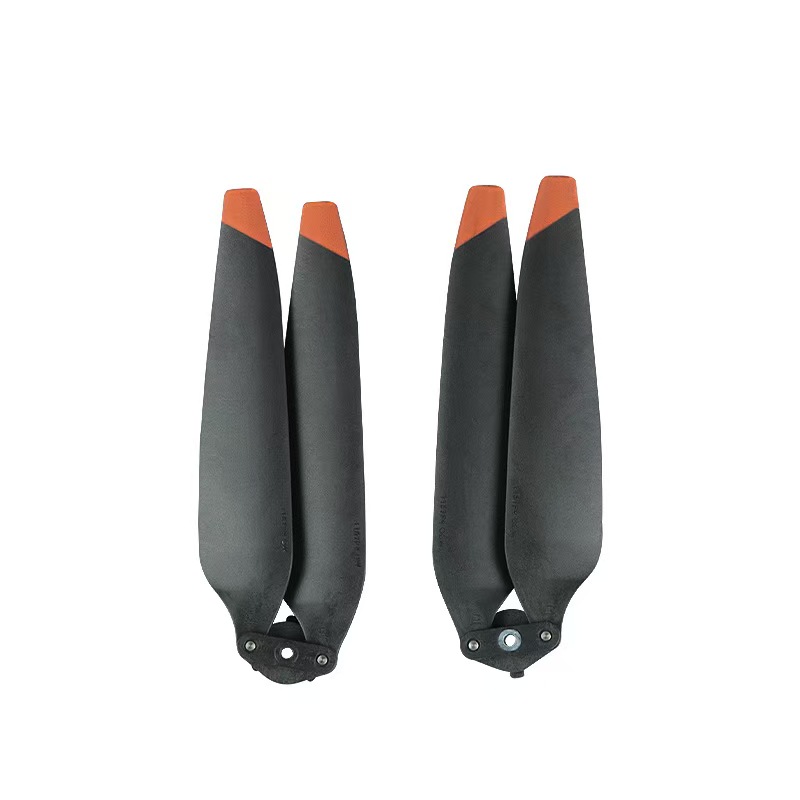
Industrial multirotor drones operate under continuous mechanical forces and harsh weather conditions that test airframe materials to their physical limits. Drone arms must support heavy payloads, including optical sensors, LIDAR units, and agricultural liquid tanks, while enduring aerodynamic turbulence and rapid maneuvers. At the same time, high-speed motor rotation generates intense high-frequency vibrations that transfer directly into the arm structure. Over hundreds of operational hours, these cyclic vibrational loads induce stress concentration at connection points, causing micro-cracks and structural fatigue in standard materials.
Environmental exposure creates another major operational obstacle for drone components. Agricultural drones frequently work in humid environments and pesticide mists, while coastal inspection drones face salt spray and high relative humidity. Conventional short-chain polyamides, such as standard PA6 and PA66, contain a high concentration of polar amide groups along their polymer backbones. These hydrophilic groups readily absorb atmospheric moisture, reaching saturation levels between 2.5% and 8.5%. Absorbed water molecules act as plasticizers inside the polymer matrix, which reduces tensile strength and flexural modulus by up to 50%. Furthermore, moisture absorption leads to dimensional expansion and distortion. Even a minor arm misalignment shifts motor geometry, forcing flight controllers to consume extra battery power to compensate.
To eliminate moisture-induced degradation, material engineers selected Polyamide 612 (PA612) as the primary matrix resin for demanding airframe structures. The molecular architecture of PA612 features longer methylene carbon chains separating its amide functional groups. This long-chain structure reduces the spatial density of polar amide groups along the polymer backbone, giving the base resin significant hydrophobic properties.
Laboratory measurements confirm that PA612 exhibits a saturated water absorption rate of less than 0.5%, representing a major improvement over standard PA6 and PA66 polymers. As a result, parts molded from PA612 retain their mechanical stiffness, impact resistance, and precise dimensions regardless of atmospheric humidity or direct liquid contact. When integrated into drone arms, PA612 maintains accurate motor alignment and structural geometry across changing environmental conditions. The long-chain resin also offers excellent chemical resistance against fertilizers, solvents, and fuels. In addition, the inherent flexibility of long methylene chains provides strong energy absorption, allowing drone arms to absorb landing impacts and resist cyclic flexural stress during flight.
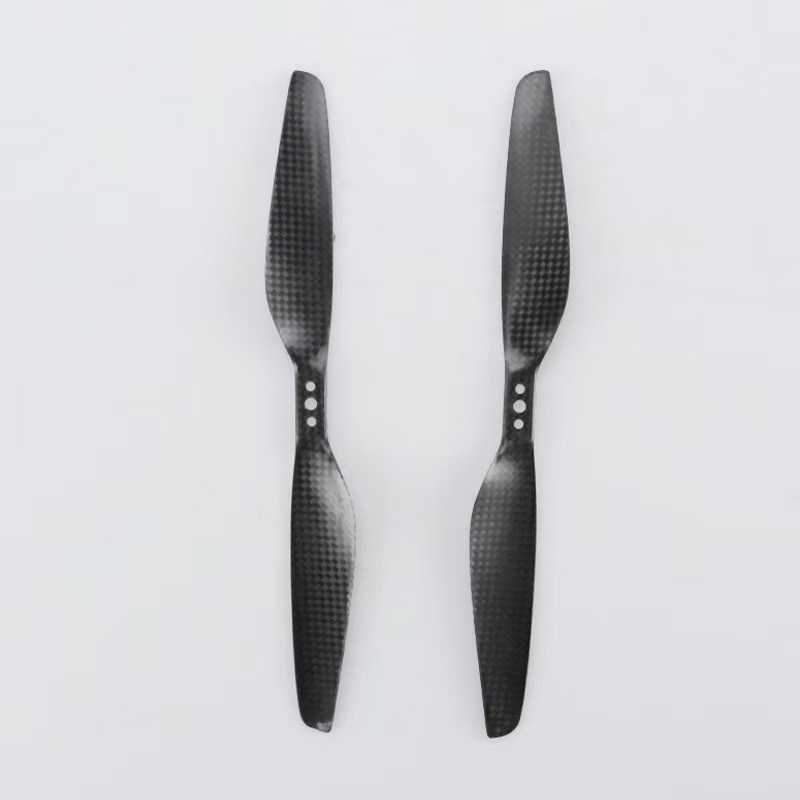
Unreinforced PA612 provides an exceptionally stable base, but heavy-duty drone structures require higher stiffness to prevent flexure under maximum rotor thrust. Compounding PA612 with short carbon fibers creates a lightweight, ultra-rigid composite that effectively replaces aluminum alloys and composite tubing. Design engineers typically evaluate two primary reinforcement levels for airframe components: 30% carbon fiber (CF30) and 40% carbon fiber (CF40).
Choosing between CF30 and CF40 involves balancing mechanical stiffness requirements against polymer flow during injection molding. PA612 CF30 offers a balanced combination of tensile strength, flexural modulus, and processing ease. The 30% fiber loading increases structural stiffness substantially while maintaining good melt flow. This grade enables manufacturers to produce complex geometries with thin walls, internal reinforcement ribs, and snap-fit features without creating excessive internal stress or surface defects.
In contrast, PA612 CF40 maximizes flexural rigidity and tensile performance, making it the ideal choice for long-span arms on heavy-lift drones. The 40% carbon fiber loading achieves a flexural modulus that rivals light metals, virtually eliminating structural flexure during flight. However, higher fiber content increases melt viscosity and flow resistance during molding. Engineers must evaluate part geometry and structural loads carefully when choosing between these two compounds.
Processing carbon-reinforced PA612 into finished drone components requires precise thermal and mechanical management during injection molding. Carbon fiber-filled polymers exhibit distinct flow behavior inside the mold cavity. As the molten compound flows through gates and runners, carbon fibers align primarily along the direction of flow. This orientation creates anisotropic mechanical properties and differential shrinkage rates between parallel and perpendicular flow directions.
Uncontrolled anisotropic shrinkage can cause part warpage and internal stress in long drone arms. Processing technicians optimize mold temperature, injection velocity, and holding pressure to control fiber orientation and ensure uniform packing. Maintaining appropriate mold temperatures keeps the polymer matrix fluid long enough to achieve thorough packing, which reduces surface defects such as fiber floating. In addition, plasticizing equipment must use gently designed screws to minimize fiber breakage. Preserving fiber length maintains a higher aspect ratio, which directly protects the final strength of the molded airframe.
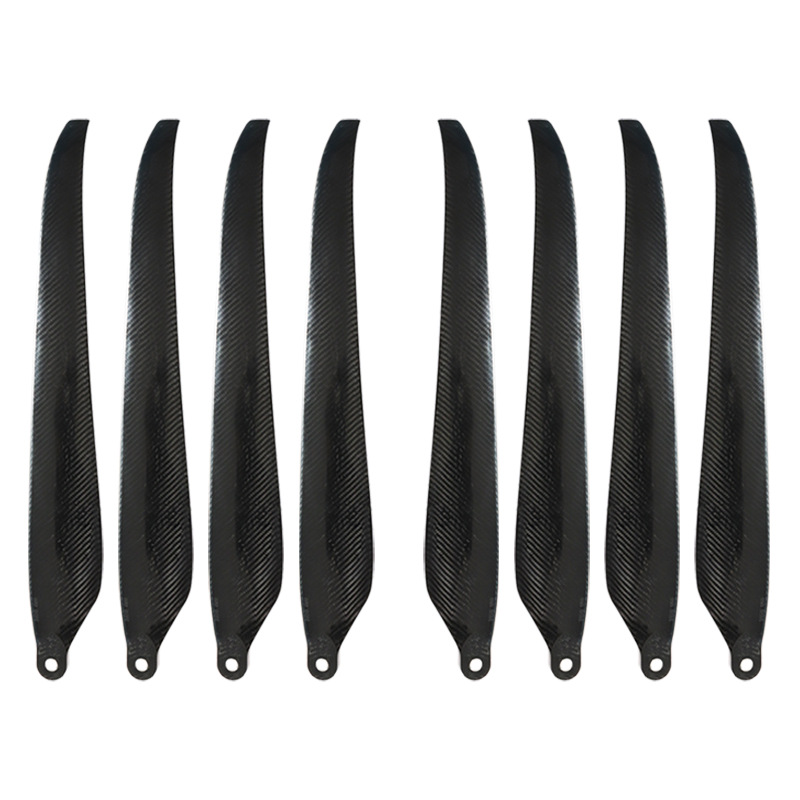
Meeting the strict mechanical requirements of commercial drone manufacturing demands specialized compounding expertise and reliable material quality. Advanced material suppliers, such as BOCHENG (Xiamen Bocheng Plastic Materials Co., Ltd), supply high-performance carbon fiber reinforced polyamides to international drone OEMs. Using twin-screw extrusion technology and specialized chemical coupling agents, BOCHENG ensures strong interfacial bonding between the PA612 resin matrix and short carbon fibers.
Strong interfacial adhesion enables efficient stress transfer from the resin matrix to the carbon fibers during operation. This structural enhancement optimizes tensile strength, flexural rigidity, and fatigue endurance under continuous mechanical loads. BOCHENG customizes carbon fiber content, flow behavior, and flame retardancy to align with specific customer specifications and mold designs.
Quality control remains central to material production. Lot-to-lot consistency and mechanical performance are verified through recognized international quality certifications, including ISO9001 and IATF16949 standards. These quality frameworks ensure that every batch of PA612-CF material meets exact standards for density, mechanical strength, and thermal resistance. Beyond compound supply, technical teams at Xiamen Bocheng Plastic Materials Co., Ltd assist customer engineers with mold flow analysis, FEA evaluations, and processing parameter optimization. This technical support speeds up product development and lowers tooling iteration costs for airframe manufacturers.
As the commercial drone industry continues to grow across agriculture, inspection, and logistics, the demand for lightweight, high-strength structural materials will remain strong. The combination of PA612 long-chain polyamide and high-modulus carbon fiber provides a reliable material choice to eliminate moisture absorption, structural distortion, and fatigue failure. Material formulations developed by BOCHENG continue to support airframe innovation, enabling commercial drones to fly longer and operate reliably in demanding environments.
For more details regarding carbon fiber reinforced nylon materials and technical solutions, visit https://www.pa6-pa66.com/.