What Are You Looking For?

Latest News & Blog
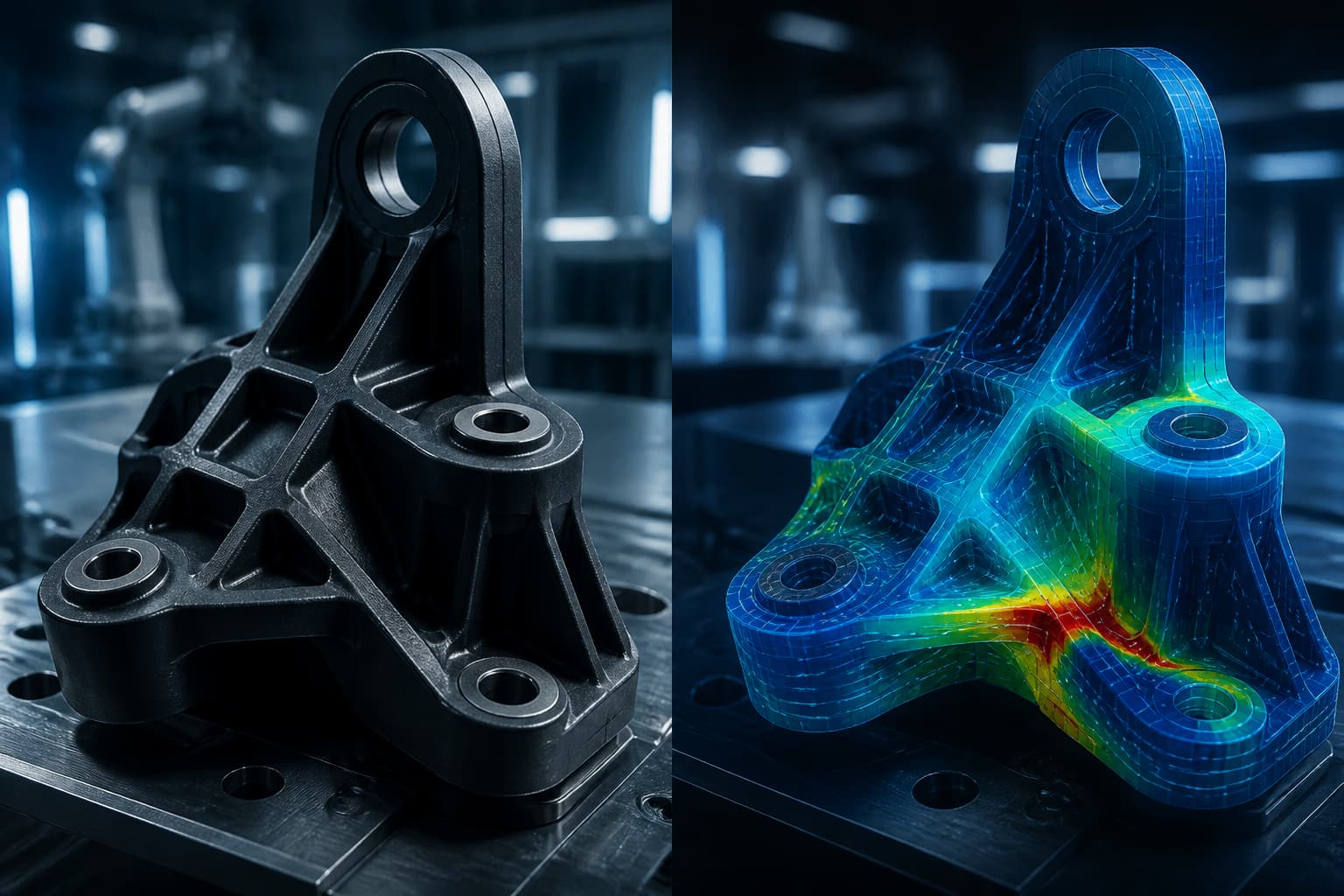
Beyond the purity and molecular structure of the base resin, the synergy between crystallization kinetics and additive interfaces is crucial in determining the final molded state of modified nylon. Top-tier international high-performance nylons typically employ highly confidential nucleating agent systems and specially customized glass fiber sizing (silane coupling agents) that form nearly perfect chemical bonds with the polyamide matrix. When domestic alternative materials attempt to replicate this performance through reverse engineering, they often fail when faced with the touchstone of hydrothermal aging. The fragile interfacial adhesion between the glass fiber and the resin matrix is the greatest hidden danger. In high-temperature and high-humidity environments, water molecules rapidly penetrate the microscopic interface, not only severing the hydrogen bond network to cause plasticization but also drastically lowering the material's Glass Transition Temperature (Tg). Empirical data indicates that while certain domestic 33% glass-fiber-reinforced PA66 may match imported materials in mechanical performance under "dry-as-molded" (DAM) conditions, after 1000 hours of hydrothermal aging in an 85°C/85% RH environmental chamber, their tensile strength may experience a precipitous drop of over 50%. In contrast, the degradation rate of imported benchmark materials is strictly controlled within 20%. This interfacial collapse directly results in the loss of dimensional tolerances and load-bearing capacity of the parts. Based on this deep, fundamental understanding of materials, engineering teams must abandon simplistic "cost-reduction replacement" thinking when evaluating the feasibility boundaries of domestic nylon, shifting instead toward establishing data-validated evaluation models for specific application scenarios. For high-temperature polyamides (e.g., PPA) used in SMT (Surface-Mount Technology) processes, it is imperative to utilize Thermogravimetric Analysis (TGA) coupled with mass spectrometry to precisely analyze the outgassing composition and weight loss rate of the material at the 260°C reflow soldering peak temperature, thereby identifying micro-blistering risks caused by inferior thermal stabilizers. For structural components continuously exposed to alternating high and low-temperature environments, one must not rely solely on ambient temperature stress-strain curves. Instead, Dynamic Mechanical Analysis (DMA) tests must be mandatorily introduced to track the true trajectory of the material's storage modulus over temperature gradients, combined with high-frequency fatigue life testing (S-N curves) to confirm long-term reliability. Objectively speaking, in low-to-medium intensity scenarios such as non-core load-bearing structures or standard interior parts, domestic modified nylon has successfully crossed the feasibility boundary, demonstrating tremendous commercial value. However, for "hardcore" components with ultra-thin walls, requiring long-term resistance to high-temperature chemical corrosion, or operating in continuous high-voltage discharge environments, acknowledging the gap in molecular chain design and interface engineering—and adopting a more rigorous, closed-loop validation involving long-term thermal aging and rheology—is the only scientific approach to ensuring the baseline quality of B2B hardware products.
Read More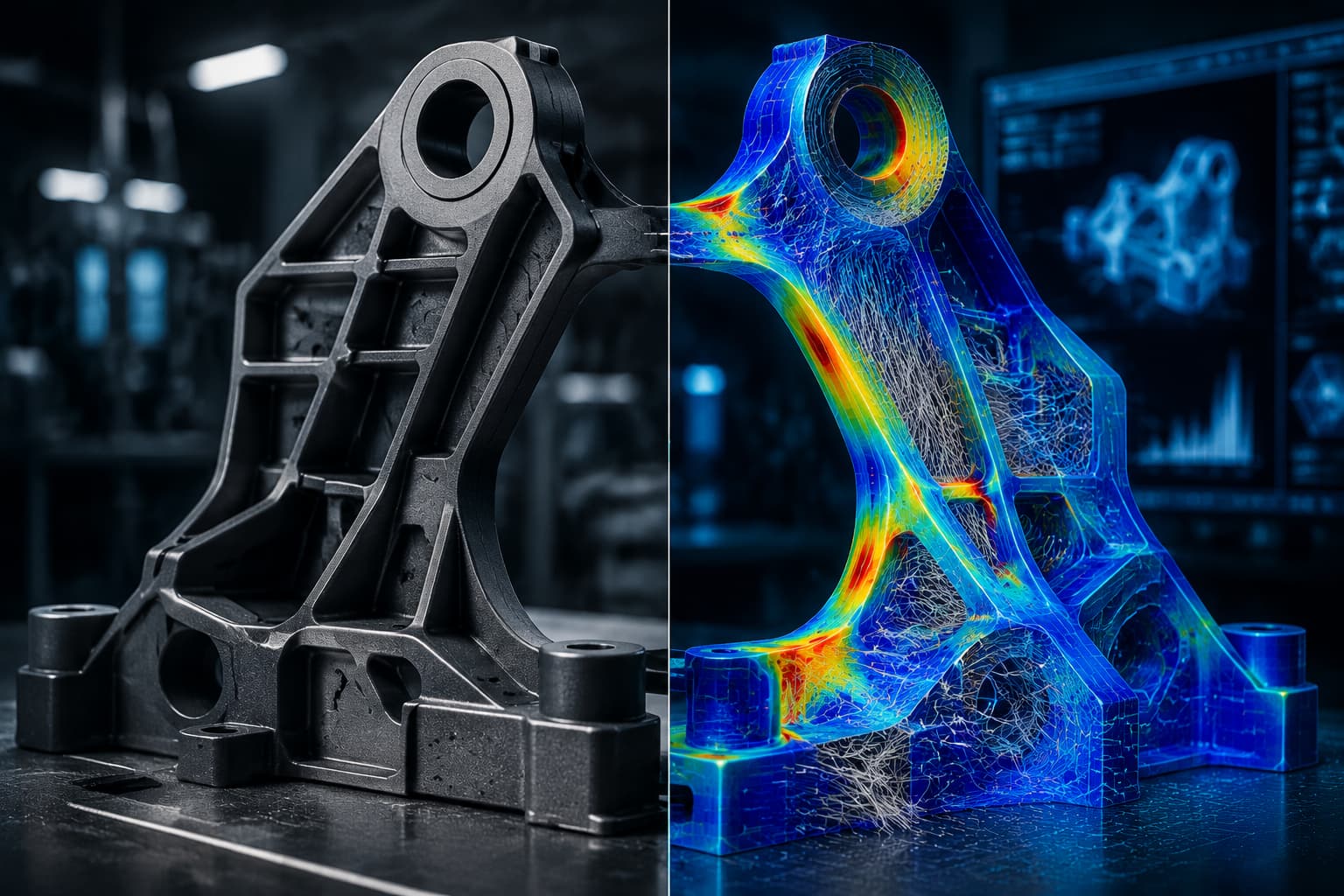
Driven by the macroeconomic push for supply chain localization and cost reduction, procurement and engineering teams frequently propel domestic modified nylon (such as PA66 and PPA alternatives) to the forefront of validation. They attempt to achieve seamless replacement of international giant materials in high-value domains like automotive under-hood components, precision sensor housings, and high-speed SMT connectors. Judging from the initial technical data provided by suppliers, core parameters such as tensile modulus, Heat Deflection Temperature (HDT), and even notched impact strength of domestic materials often align astonishingly well with benchmarked imported grades, coupled with a highly significant cost advantage. However, when these materials actually enter the injection molding machine, are formed into solid parts with complex wall thicknesses and stress distributions, and are deployed into rigorous engineering scenarios, the true boundaries are mercilessly revealed. Parts undergo irreversible warpage after long-term temperature and humidity cycling; connectors exhibit dense blistering on the surface during the high-temperature shock of infrared reflow soldering; or automotive clips suddenly lose their original snap-fit retention and suffer brittle fracture after months of thermal vibration in the engine compartment. These frequent field failure cases profoundly demonstrate that the true bottleneck for domestic modified nylon in mid-to-high-end applications is not its "static physical performance" at the factory gate, but rather the material's sustained endurance and dimensional stability under extreme environments. To explore the microscopic essence of this performance gap, one must extend the focus from downstream physical compounding back to the upstream chemical polymerization stage. Although domestic capabilities have achieved high maturity in physical processing technologies such as twin-screw extrusion compounding, glass fiber reinforcement, and flame-retardant modification, shortcomings persist in the synthesis of the base polyamide resin, specifically regarding the precise control of Molecular Weight Distribution (MWD) and the removal technology of low-molecular-weight oligomers. A base resin with a broader MWD might exhibit excellent flowability during injection molding, easily filling thin-walled cavities, but this compromise comes at the expense of the material's long-term toughness and fatigue resistance. In high-temperature, high-load service environments, unreacted monomers and oligomers within the resin inevitably migrate to the part's surface. This not only generates severe deposits (mold plate-out) that force frequent production line stoppages for cleaning, but it also leads to the loosening and degradation of the polymer network structure, causing structural components to become prematurely brittle. This is the fundamental reason why parts that perform excellently in standard tensile tests are highly susceptible to fatigue cracking under dynamic alternating stresses.
Read More
Therefore, establishing a data-driven validation system and deeper empirical troubleshooting logic has become an inevitable choice for top-tier engineering teams to bridge the "Yellow Card blind spot." Confronted with material consistency challenges, relying solely on the standard property sheets provided by suppliers is wholly inadequate; engineers have begun introducing polymer "fingerprinting" techniques for batch control. Through Differential Scanning Calorimetry (DSC), engineering teams can compare the melting and crystallization peaks of different material batches. Any abnormal peak shifts could imply that the material has experienced an improper thermal history or has been illicitly blended with a high proportion of regrind. Simultaneously, Fourier Transform Infrared Spectroscopy (FTIR) can precisely pinpoint the absorption peak intensity of characteristic functional groups, thereby monitoring the stability of crucial additive proportions. On a rheological level, traditional melt index testing is being replaced by capillary rheometry, which can accurately simulate the melt viscosity changes under the extremely high shear rates of an injection molding machine, proactively exposing processing risks caused by molecular chain scission or cross-linking. For end products requiring the highest safety levels, trust cannot be built on a static certificate but must extend to the production site of material polymerization and compounding. This requires that when end-user enterprises draft their Material Specifications, they must not merely copy UL standard data but must integrate their own process characteristics. Dynamic indicators, such as Thermogravimetric Analysis (TGA) weight loss curve deviations and the decay rate of insulation resistance under specific temperature and humidity conditions, must be incorporated into quality control. A more advanced approach is the implementation of stringent Statistical Process Control (SPC), demanding that suppliers provide control charts for critical process parameters (e.g., extruder torque fluctuation range, melt pressure distribution). By deeply binding the severity of engineering scenarios with changes in the material's micro-structure, and supplementing this with multi-dimensional thermal analysis and rheological data validation, enterprises can truly penetrate the compliance endorsement of the UL Yellow Card, master the core code of material consistency, and transform reactive failure firefighting into proactive risk defense.
Read More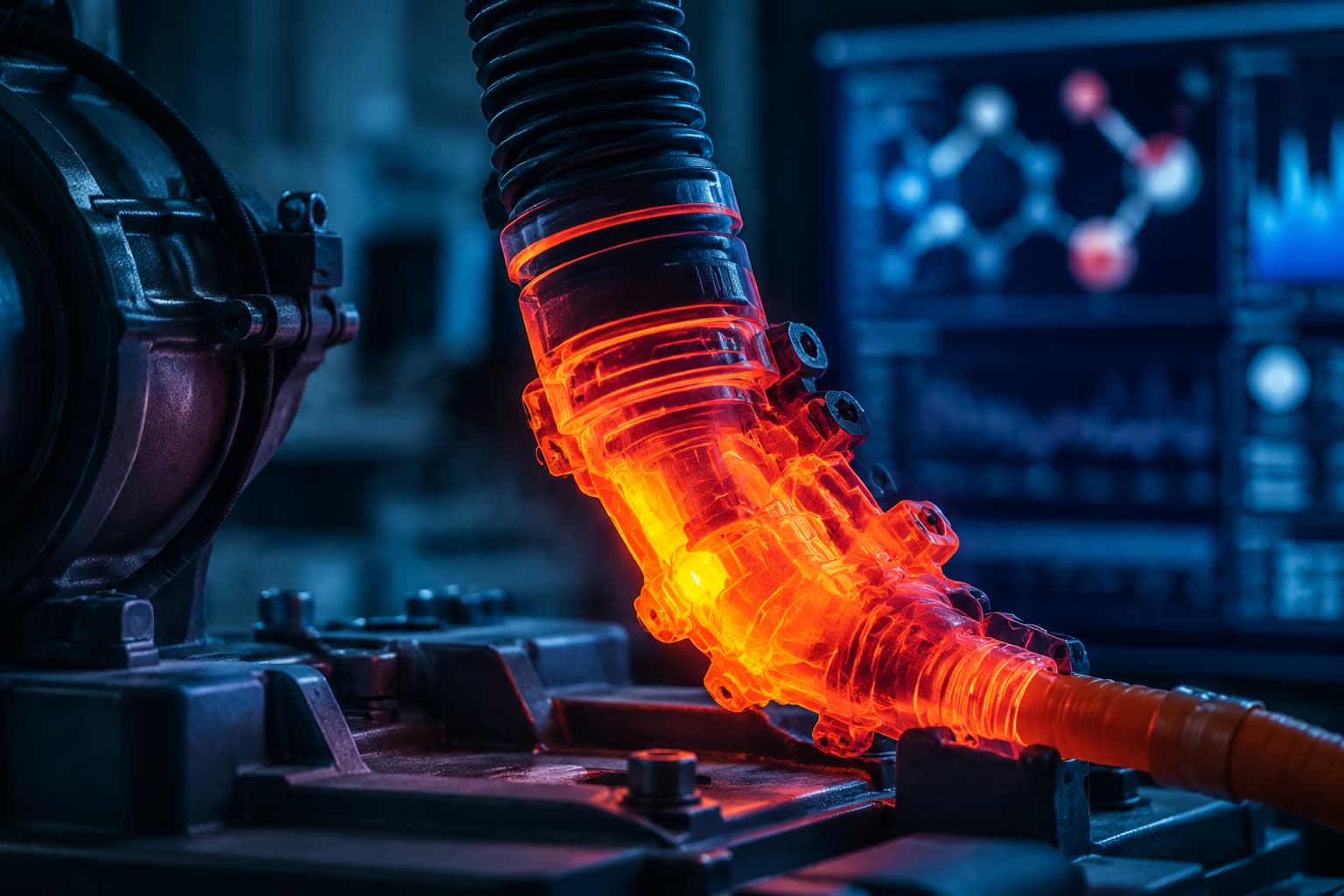
In the modern manufacturing ecosystem of electrical electronics and new energy vehicles, engineering teams frequently encounter a perplexing failure scenario: a newly injection-molded batch of high-voltage connectors or server power supply housings unexpectedly exhibits micro-cracking, degraded flame retardancy, or severe electrical tracking during wave soldering, reflow soldering, or high-temperature load aging tests. When quality engineers trace these failure samples back to the material supplier, the supplier typically presents a valid UL Yellow Card to prove that the material's formulation has passed the most stringent safety certifications. However, the true B2B pain point lies hidden beneath this veneer of "compliance." R&D and quality teams have gradually realized that a UL Yellow Card is merely an entry ticket into the supply chain; it represents a formulation snapshot of the material under ideal laboratory conditions, at specific thicknesses and colors. It cannot mask, nor can it guarantee against, the micro-level performance degradation caused by raw material fluctuations and process parameter drifts during the continuous mass production of thousands of tons. This gap between compliance and actual field performance constitutes the most significant hidden risk in hardware manufacturing. To truly understand the root cause of this lack of consistency, one must delve into the microscopic processes of polymer modification and processing. Samples for UL 94 flame retardancy, Relative Thermal Index (RTI), and Comparative Tracking Index (CTI) certifications are usually meticulously prepared by material manufacturers under optimized injection molding conditions. However, in actual mass production, modified plastics must endure the intense shear and high-temperature melting of twin-screw extruders. If the molecular weight distribution of a certain batch of base resin shifts slightly, or if the extrusion speed is marginally increased to boost throughput, the dispersion morphology of flame retardants and antioxidants within the polymer matrix is directly altered. Taking halogen-free flame retardant systems as an example, if microencapsulated red phosphorus or metal phosphinates locally agglomerate within the resin, the macroscopic tensile strength and Melt Flow Index (MFI) of the batch might perfectly meet the factory outbound standards. Yet, on a microscopic scale, those "resin-rich areas" lacking flame retardants and "agglomeration areas" concentrating stress become fatal weak links. When insulation components bearing such microscopic defects are exposed to real-world high-voltage and high-humidity operating environments, free impurities and uneven electric field distributions cause the material surface to carbonize rapidly. The CTI performance drops precipitously, ultimately triggering catastrophic short-circuit fires, all of which are virtually undetectable during routine incoming material inspections.
Read More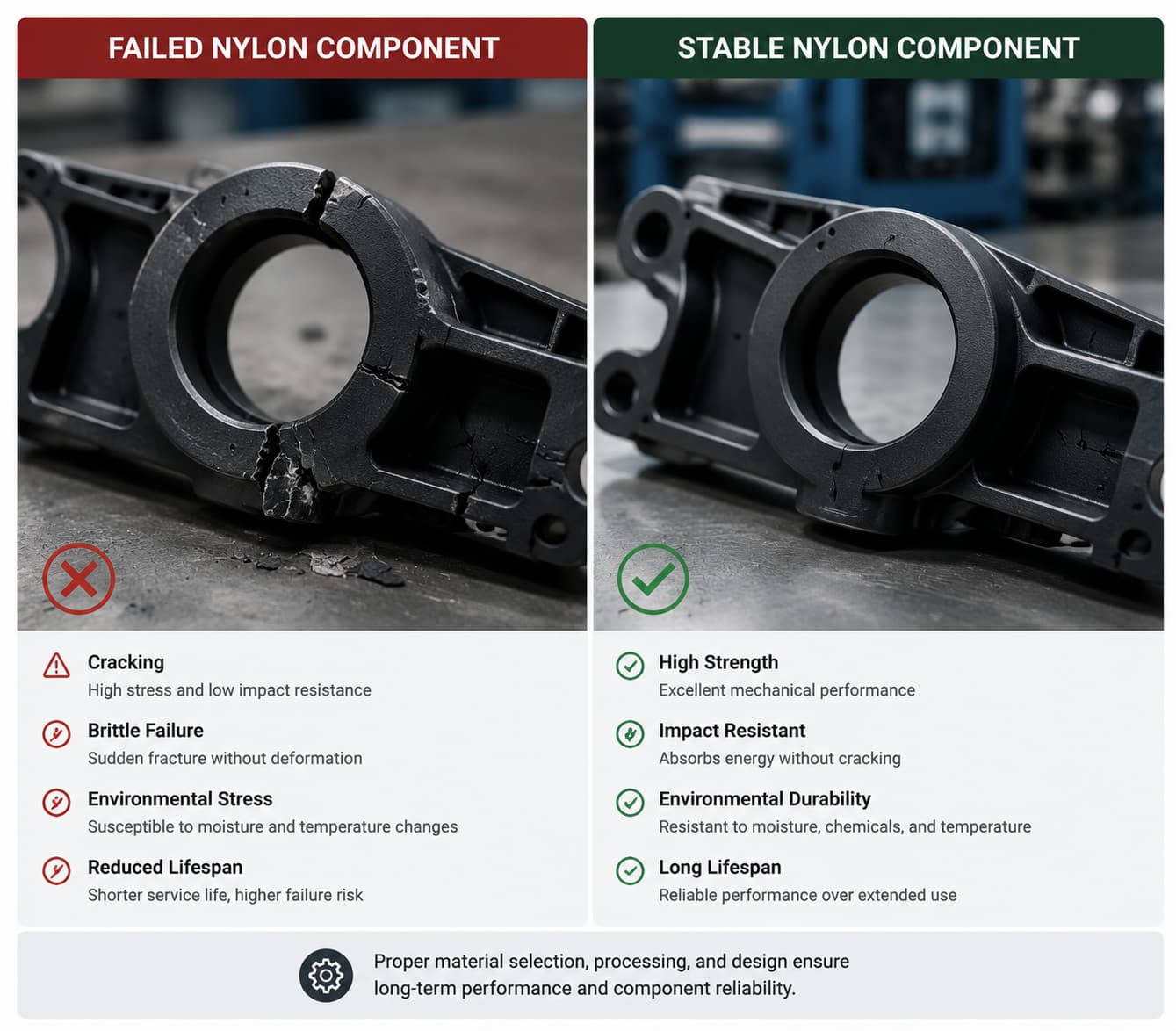
Another often overlooked factor is processing stability. High-performance polyamides typically operate within narrower but more predictable processing windows. Once optimized, they tend to produce lower scrap rates and more consistent part quality. In contrast, lower-cost materials may exhibit greater sensitivity to processing variations, leading to higher rejection rates and hidden production costs. Experienced engineering teams rarely rely on unit price comparison alone. Instead, they develop failure models to evaluate risk probabilities under different service conditions. For instance, in high-humidity environments, PA6 can absorb over 3% moisture, while PA66 typically remains around 2%. This difference directly impacts dimensional stability and mechanical integrity over time. Ultimately, the perception of “expensive material” depends on the time horizon. From a procurement perspective, high-performance polyamides carry a higher upfront cost. From a lifecycle perspective, they often provide superior cost efficiency by reducing failure risks. The main challenge lies in quantifying these hidden costs. In practice, this can be approached through pilot production, accelerated aging tests, and historical performance benchmarking. Such methods enable more rational, data-driven material selection decisions. Material selection is not merely a cost decision—it is fundamentally a risk management strategy.
Read More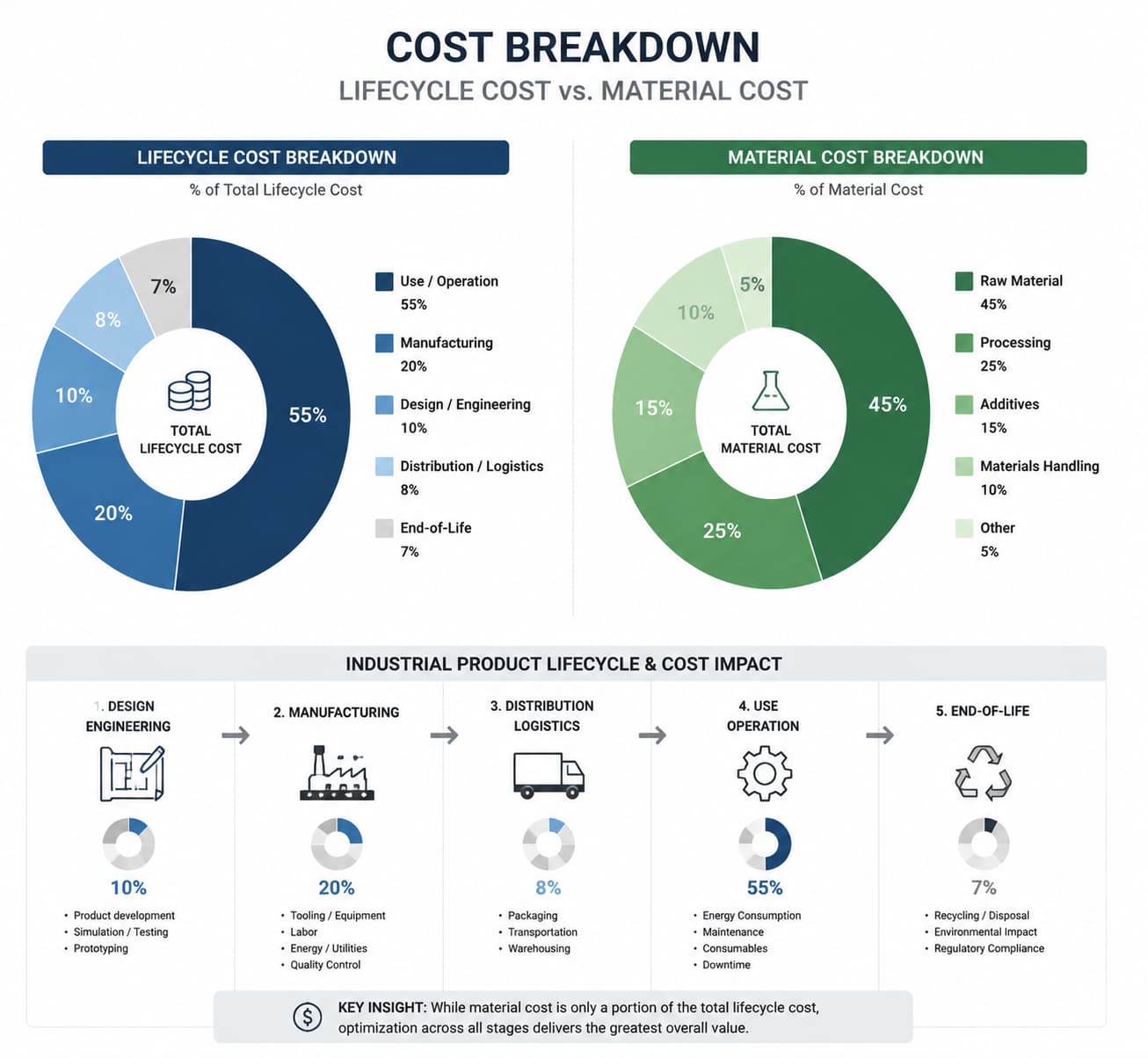
In material selection discussions, unit price is often the first variable considered. Procurement teams tend to prioritize lower-cost polyamide grades, while engineering teams focus on performance margins. However, this apparent conflict is often misleading, because material cost represents only a fraction of total system cost, while failure-related costs remain largely underestimated. A common engineering scenario can be observed in connectors or structural components. Standard PA6 may meet initial mechanical requirements, but under long-term service conditions—especially in humid environments—moisture absorption leads to dimensional changes, contact instability, and assembly issues. The difference in material cost per part may be minimal, yet the downstream cost of failure, including rework or field returns, can be exponentially higher. High-performance polyamides typically offer improved thermal resistance, dimensional stability, and fatigue performance. For example, PA66 exhibits higher heat deflection temperature compared to PA6, while glass fiber or mineral reinforcement enhances stiffness and creep resistance. These enhancements, however, also introduce higher material and processing costs. The critical question is not whether the material is more expensive, but whether it reduces system-level risk. In automotive applications, there is a widely accepted engineering observation: material cost often accounts for less than 10% of the total lifecycle cost of a component, whereas failure-related costs—including maintenance, downtime, and reputational impact—can exceed 50%. Under such conditions, selecting a higher-performance polyamide becomes a cost-control strategy rather than a cost burden. From a data perspective, mechanical degradation of PA6 becomes significant at temperatures above 120°C, whereas PA66 or high-temperature polyamides such as PPA maintain more stable performance. If a lower-cost material is used, compensatory design measures—such as increased wall thickness or structural reinforcement—are required, which introduce additional constraints in weight and space.
Read More
As the warm atmosphere of the Chinese Spring Festival wraps around us, we’re delighted to share that our office will be on holiday break from February 12 to February 24, 2026. During this special time, our whole team will step away from work to gather with our loved ones, savor the joy of family reunions, and recharge our energy for the exciting year ahead. We want to take a moment to express our heartfelt gratitude for your continuous trust and the wonderful partnership we’ve built together. Every collaboration with you matters deeply to us, and we can’t wait to come back refreshed and ready to serve you even better after the holiday. Wishing you and your entire team a joyful and prosperous Chinese New Year! May this festive season bring you abundant happiness, good health, and all the success you deserve in the days to come.
Read More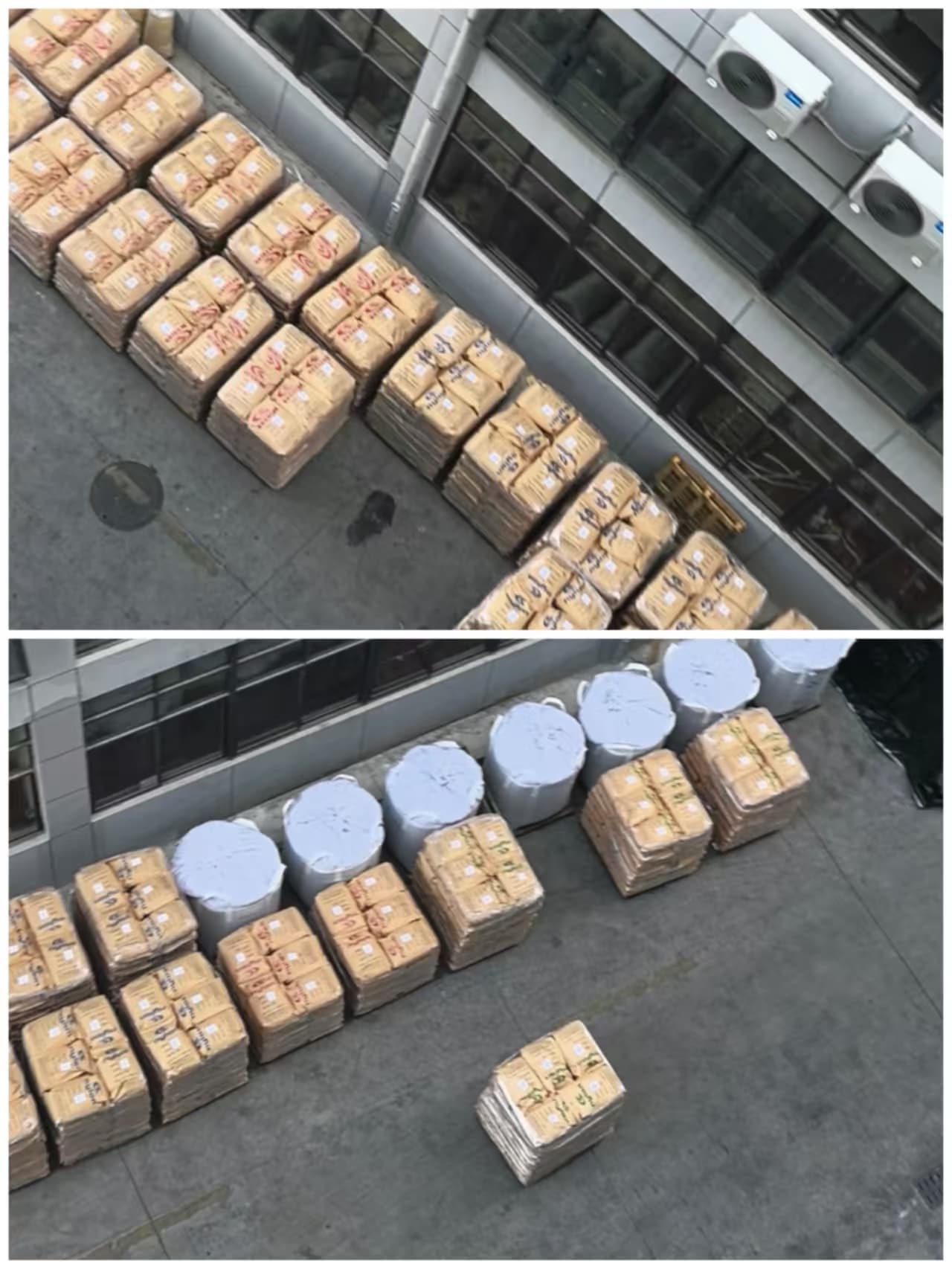
As the year comes to an end, we are pleased to share that a large volume of materials has been successfully shipped to our customers. Orders were delivered smoothly and on schedule, covering multiple engineering plastic grades for different applications. This busy shipping season reflects the strong trust from our customers and the stable supply capability of our production and logistics teams. We truly appreciate the support and cooperation from all our partners. With strong momentum closing the year, we look forward to continuing reliable supply and closer collaboration in the year ahead.
Read More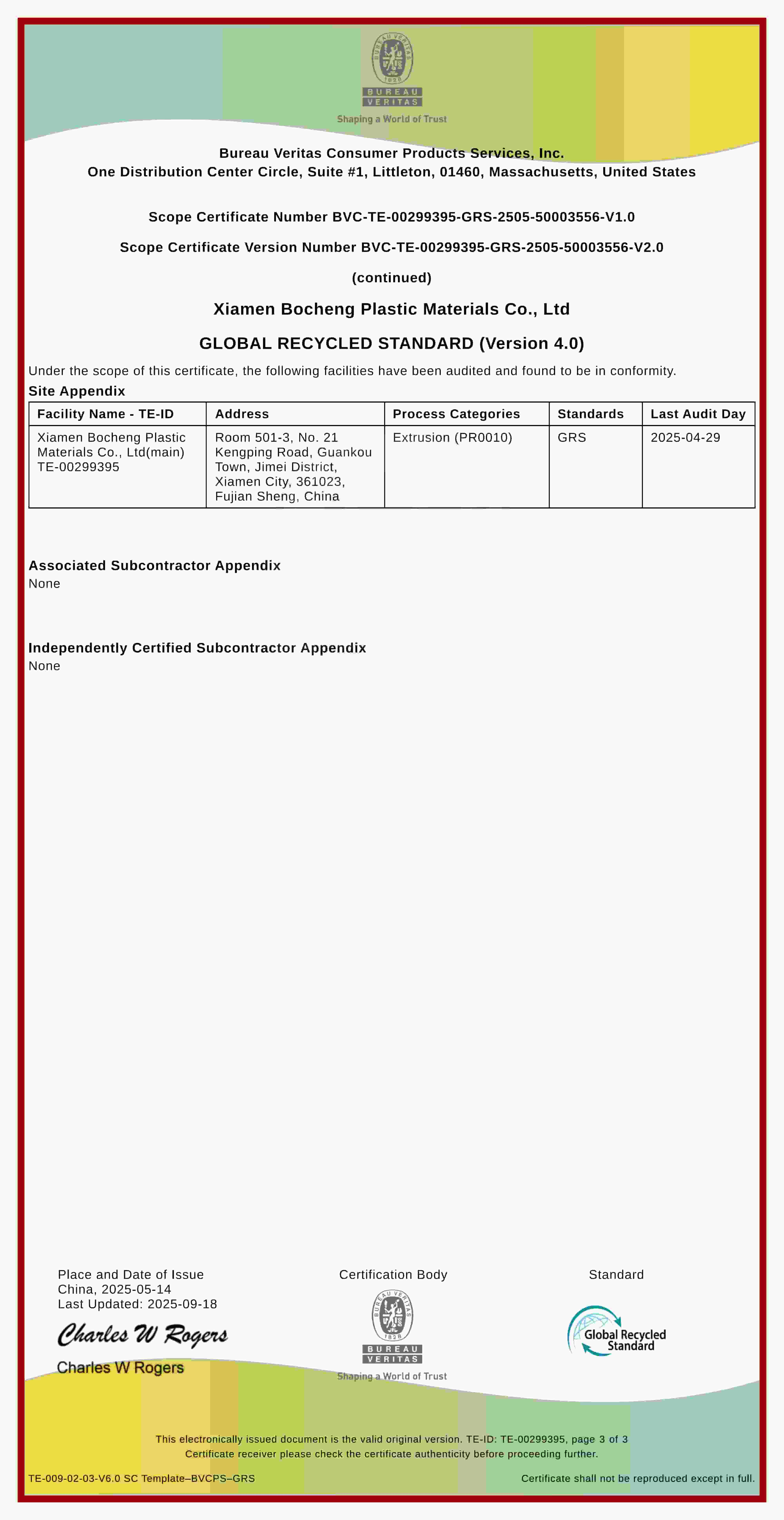
Xiamen Bocheng Plastic Materials Co., Ltd. has successfully obtained Global Recycled Standard (GRS) certification, audited and issued by Bureau Veritas under GRS Version 4.0. This certification confirms that our production facility and extrusion processes meet internationally recognized requirements for recycled material traceability, environmental management, and responsible manufacturing practices. It further strengthens our capability to supply GRS-compliant recycled plastic materials to global customers with sustainability and compliance requirements. With GRS certification in place, Bocheng continues to support customers in developing reliable, traceable, and sustainable material solutions for international markets.
Read More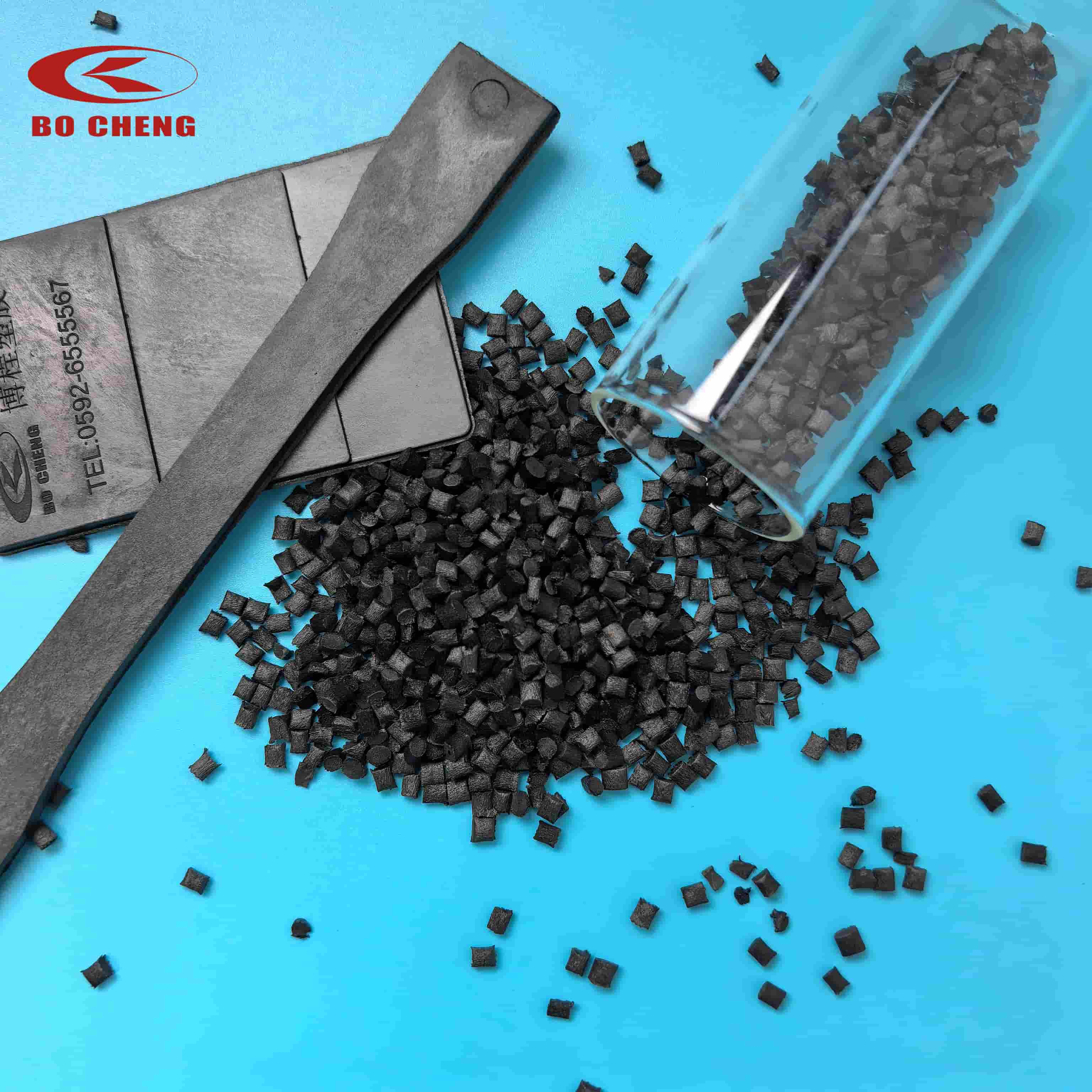
To better meet the growing demand for lightweight, high-strength, and high-performance engineering plastics, we are pleased to announce the official launch of our Carbon Fiber Reinforced Materials product series. This new portfolio expands our material offerings and provides customers with more targeted solutions for demanding industrial applications. The newly introduced series covers multiple nylon matrices, including PA6, PA66, PA12, PP,PA612,and PPA, combined with different carbon fiber reinforcement ratios. Through precise formulation control and stable compounding processes, these materials achieve an effective balance between mechanical strength, stiffness, thermal resistance, and dimensional stability, making them suitable for both structural and functional components. The launch of this carbon fiber materials series reflects our continued commitment to material innovation, stable quality control, and application-oriented development. We will continue to refine these products based on customer feedback and application validation, ensuring reliable performance and long-term supply consistency. For more information or technical support, please contact our team.
Read More
As the year draws to a close, we want to express our heartfelt gratitude for your continued trust and partnership. It has been a remarkable year of growth, and we couldn't have done it without you. May your holiday season be filled with joy, peace, and laughter. We look forward to reaching new milestones together in the coming year!
Read More
In October 2025, our company successfully reached a cooperation agreement with a Turkish client and completed the first export shipment. The goods, consisting of one 40HQ container of modified nylon materials, mark a further step in our company’s market expansion across the Middle East and Europe. As a key bridge between Asia and Europe, Turkey has shown a growing demand for high-performance nylon materials. With consistent product quality, comprehensive technical support, and efficient delivery capability, our company has earned the trust of our customers. This cooperation not only reflects the strong alignment between both parties in material applications but also lays a solid foundation for our continued expansion in the international market. In the future, our company will continue to refine and optimize its product portfolio, enhance supply chain responsiveness, and provide customers with more competitive nylon material solutions.
Read More