What Are You Looking For?

Latest News & Blog
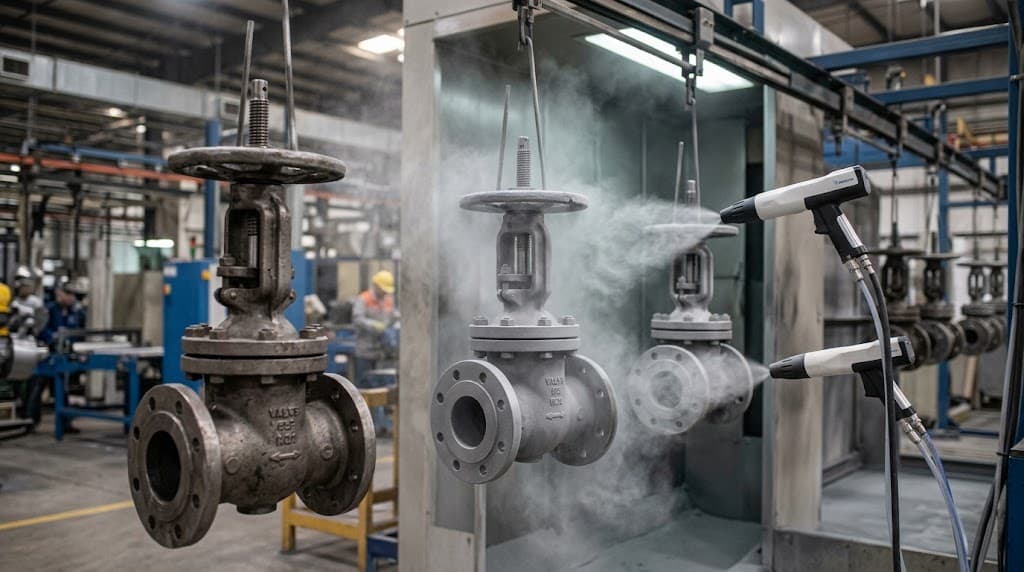
From the perspective of polymer melting kinetics, nylon functions as a semi-crystalline engineering thermoplastic whose melting transition involves sharp viscosity shifts and crystallization phenomena. Within a fixed oven residence time and temperature window, particles of varying diameters absorb thermal energy at different rates. Fine particles absorb energy rapidly, melting beyond the phase transition temperature to initiate flow almost instantly; however, premature melting alters local surface tension dynamics. Coarse particles absorb heat with a temporal lag, requiring extended dwell time to erase inter-particle boundaries. If the thermal protocol favors fines, coarse particle cores remain partially unmelted, leaving physical interface boundaries that act as stress concentration sites, severely reducing impact resistance and cross-hatch adhesion. Conversely, if the temperature is elevated to accommodate coarse fractions, early-melting fines suffer thermal-oxidative degradation, causing embrittlement and yellowing. In industrial quality assurance, monitoring D10, D50, D90, and calculating the Span value via laser diffraction sizing represents standard protocol for stable coating engineering. empirical validation indicates that for conventional electrostatic application, maintaining D50 between 35 and 45 microns, D10 above 15 microns, and D90 below 70 microns (targeting a Span between 1.2 and 1.5) delivers optimal electro-dynamic response and film leveling. For fluidized bed applications, maintaining D50 within 80 to 120 microns while strictly limiting fines below 30 microns to under 5% optimizes gas suspension and thermal self-leveling. Tailoring PSD parameters to specific mechanical application protocols eliminates over 90% of raw-material-induced coating defects while dramatically improving transfer efficiency and reclaim stability, ultimately driving down operational manufacturing costs. Mastering particle size distribution shifts nylon coating from empirical trial-and-error to precision processing engineering. Material suppliers and industrial coaters must look beyond standard polymer grade designations or bulk density, integrating PSD metrics into raw material receiving inspections and quality verification frameworks. Establishing a direct analytical database linking grain metrics to shop-floor coating morphology allows processing lines to transition from reactive defect troubleshooting to predictive quality control, ensuring highly durable and consistent nylon barrier layers across demanding industrial environments. FAQ 1. What is your MOQ? For sample orders, we recommend a minimum of 5kg as the MOQ to ensure the validity of the test. For bulk order, we suggest the minimum quantity is 1000kg, the higher the quantity, the lower the shipping cost. 2、About Sample. Samples within 5kg are free of charge, shipping cost is not included. 3、About Quality. We are ISO9001 certified and have perfect testing equipments to ensure that every batch of products are tested and qualified before delivery. 4、About delivery time. Usually samples can be shipped within 3-5 days, and bulk orders can be shipped within 7-10 days. 5、About transaction and payment method. We support TT, LC payment method, EXW, FOB, CIF, CNF trading method.
Read More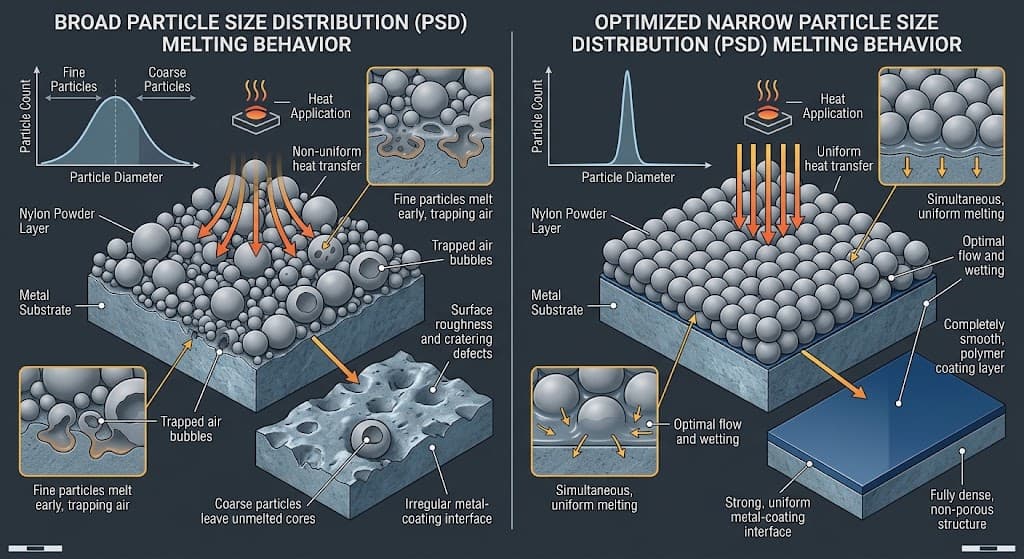
In the practical application of nylon (PA11, PA12) powder electrostatic spraying and fluidized bed dip coating, coating defects such as pinholes, orange peel, uneven thickness, and edge thinning are frequently attributed to baking temperatures or substrate pretreatment. However, deep technical analysis of industrial processing scenarios reveals that many persistent quality fluctuations stem directly from the Particle Size Distribution (PSD) of the feedstock powder. Particle size is far from a simple singular metric; the distinct physical behaviors of coarse and fine particles during fluidization, electrostatic transport, and thermal melting directly dictate the ultimate coating performance in corrosion resistance, mechanical strength, and surface topometry. During electrostatic spraying and fluidized bed processes, powder particles encounter fundamentally different physical forces and heat transfer dynamics. When particles move from the spray gun toward the workpiece under an electric field, aerodynamic drag interacts continuously with electrostatic force. Fine particles (typically defined as those under 20 microns) possess minimal mass and extremely high specific surface area, making them highly susceptible to airflow turbulence and agglomeration. This leads to spitting at the gun nozzle. Once deposited, these agglomerates trap air that struggles to escape during subsequent melt-curing, resulting in microscopic pinholes or cratering defects. Conversely, coarse particles (exceeding 80 or 100 microns) exhibit superior fluidic transfer but lack sufficient electrostatic adhesion, causing premature detachment before entering the oven or sluggish leveling during melting, which manifests as severe orange peel patterns. Fluidized bed coating demands precise suspension control of the powder matrix. An ideal fluidization state relies on uniform gas permeability through particle voids. An excessive ratio of fine powder induces channeling or localized boiling inside the bed. When preheated metal parts are immersed, local regions absorb un-leveled powder agglomerates, causing localized thickness spikes or internal thermal stresses. Conversely, a high concentration of coarse particles causes bed bottom settlement, producing a characteristic gradient where bottom sections are over-coated while top edges are left thin. Consequently, the relative span of the distribution (Span value) provides a much more reliable indicator of line compatibility than the median particle size (D50) alone. Broad distribution powders offer cost advantages, but the melting rate differential between coarse and fine fraction leaves hidden interfacial voids inside the protective layer. FAQ 1. What is your MOQ? For sample orders, we recommend a minimum of 5kg as the MOQ to ensure the validity of the test. For bulk order, we suggest the minimum quantity is 1000kg, the higher the quantity, the lower the shipping cost. 2、About Sample. Samples within 5kg are free of charge, shipping cost is not included. 3、About Quality. We are ISO9001 certified and have perfect testing equipments to ensure that every batch of products are tested and qualified before delivery. 4、About delivery time. Usually samples can be shipped within 3-5 days, and bulk orders can be shipped within 7-10 days. 5、About transaction and payment method. We support TT, LC payment method, EXW, FOB, CIF, CNF trading method.
Read More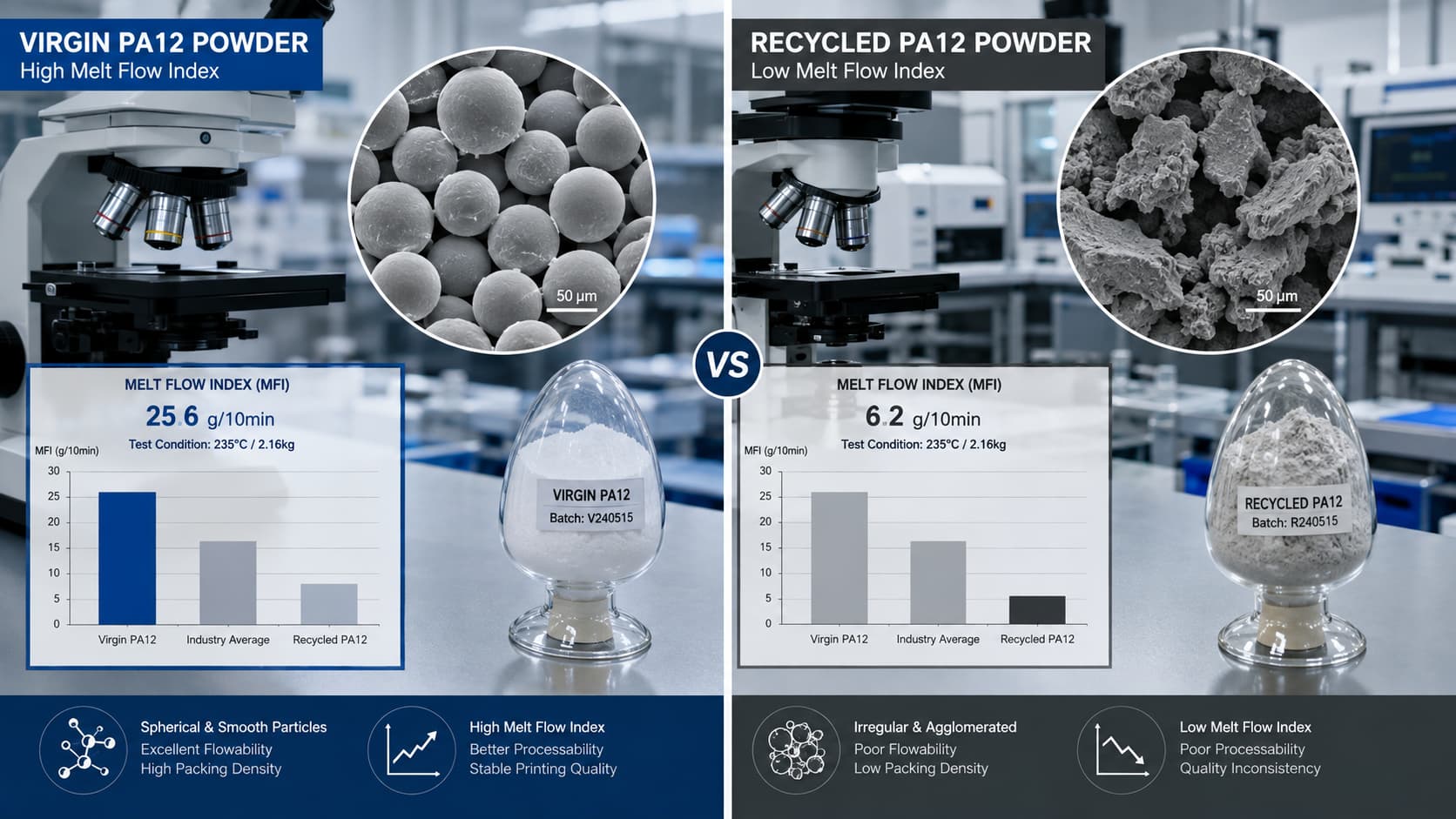
Beyond post-build mechanical characteristics, thermal processing behavior, sintering window stability, and powder reusability dictate per-part production economics for B2B manufacturers. PA12 exhibits a broad and stable thermal processing window, providing a comfortable temperature margin between crystallization and melting points. This thermal cushion minimizes internal stress build-up, simplifies warpage control, and retards thermal degradation of non-sintered powder cake. Empirical production data confirms that PA12 refresh rates can be maintained at 30% to 50%, enabling predictable powder recycling ratios and reducing virgin material replenishment costs. In contrast, PA11 possesses narrower sintering kinetics and higher thermal sensitivity; non-sintered powder degrades faster under prolonged elevated bed temperatures. Managing PA11 requires higher virgin powder refresh ratios (typically 50% to 70%) to prevent surface defects such as orange peel texture or mechanical degradation. R&D teams evaluating unit economics must integrate long-term thermal degradation behavior and scrap rates into total cost-of-ownership models rather than relying solely on raw material unit prices. Evaluating long-term component reliability requires verifying chemical compatibility and fluid resistance under severe operational environments, such as automotive under-hood compartments, aerospace fluid systems, or chemical processing plants. Owing to its molecular packing, PA11 provides superior barrier properties and lower permeability against hydrocarbon fuels, automotive fluids, hydraulic oils, and polar solvents compared to PA12, demonstrating superior resistance to environmental stress cracking at elevated temperatures. On the other hand, PA12 exhibits superior chemical resistance against strong alkaline solutions and aqueous salt concentrations. Engineering teams should conduct accelerated aging protocols on standardized ISO 527-2 Type 1A test specimens under simulated operating conditions (e.g., 85°C / 85% RH for at least 500 hours) to quantify yield strength retention and impact degradation curves. Establishing empirical verification protocols builds genuine technical trust and ensures end-use parts maintain structural integrity throughout their designed lifecycle. FAQ 1. What is your MOQ? For sample orders, we recommend a minimum of 5kg as the MOQ to ensure the validity of the test. For bulk order, we suggest the minimum quantity is 1000kg, the higher the quantity, the lower the shipping cost. 2、About Sample. Samples within 5kg are free of charge, shipping cost is not included. 3、About Quality. We are ISO9001 certified and have perfect testing equipments to ensure that every batch of products are tested and qualified before delivery. 4、About delivery time. Usually samples can be shipped within 3-5 days, and bulk orders can be shipped within 7-10 days. 5、About transaction and payment method. We support TT, LC payment method, EXW, FOB, CIF, CNF trading method.
Read More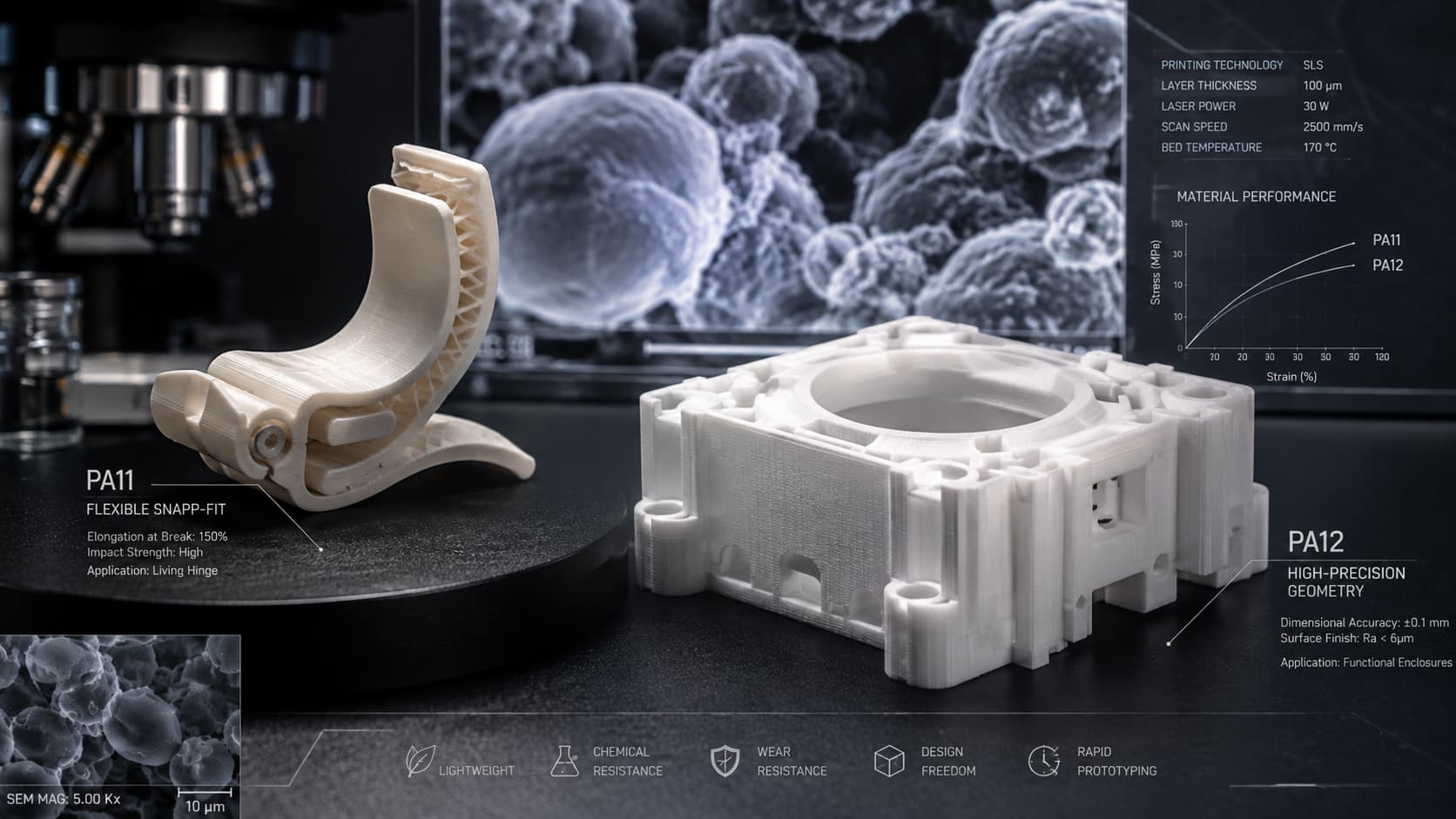
As additive manufacturing transitions into industrial-scale end-use production, procurement teams and engineering specialists often face a critical dilemma when specifying polyamide powders. Selecting between PA11 and PA12 nylon powders requires balancing mechanical performance, chemical resistance, and long-term manufacturing cost structures. Engineering teams frequently focus solely on initial tensile strength values provided on datasheets while ignoring anisotropic mechanical behavior, creep deformation, and moisture absorption characteristics. Consequently, functional components may experience unpredictable structural failure or dimensional drift during real-world assembly or environmental qualification. Understanding the structural differences at the polymer molecular level and aligning these characteristics with specific functional demands represents the essential foundation for reducing R&D iteration costs and establishing a stable supply chain. At the molecular level, the primary distinction between PA11 and PA12 lies in carbon chain length and amide group concentration, directly determining macro-scale physical behavior. PA12 (Polyamide 12) is synthesized via ring-opening polymerization of lauryllactam, featuring a long hydrocarbon chain that lowers overall amide group density. This unique chemical architecture yields exceptionally low moisture absorption, typically under 0.5% at saturation. In demanding industrial environments, this minimal hygroscopic tendency ensures exceptional dimensional stability and consistent dielectric properties even under high humidity, water exposure, or variable operating temperatures. Conversely, PA11 (Polyamide 11) is a bio-derived polymer manufactured from castor oil, possessing a shorter carbon chain and a higher density of intermolecular hydrogen bonds. This dense hydrogen-bonded network delivers significantly higher elongation at break, superior impact toughness, and enhanced fatigue resistance compared to PA12, enabling components to absorb substantial strain energy under cyclic mechanical loads without brittle fracture. From an application standpoint, these distinct material traits define clear operational boundaries in product design. For components featuring snap-fit mechanisms, living hinges, flexible ducting clips, or protective housings subjected to high-velocity impacts, PA11 offers unmatched structural compliance. It survives repeated mechanical deflection without stress whitening or catastrophic failure. Conversely, for high-precision electronic enclosures, large-scale pneumatic fixtures, complex fluid manifolds, and dimensional inspection jigs, PA12 remains the industry benchmark due to its structural rigidity, resistance to warpage, and minimal moisture-induced swelling. Utilizing a more hygroscopic polymer in tight-tolerance assemblies risks environmental expansion and mechanical binding, leading to assembly failure. Therefore, material selection must transcend basic strength metrics and focus on the predominant stress state of the component—evaluating static structural rigidity against dynamic impact endurance. FAQ 1. What is your MOQ? For sample orders, we recommend a minimum of 5kg as the MOQ to ensure the validity of the test. For bulk order, we suggest the minimum quantity is 1000kg, the higher the quantity, the lower the shipping cost. 2、About Sample. Samples within 5kg are free of charge, shipping cost is not included. 3、About Quality. We are ISO9001 certified and have perfect testing equipments to ensure that every batch of products are tested and qualified before delivery. 4、About delivery time. Usually samples can be shipped within 3-5 days, and bulk orders can be shipped within 7-10 days. 5、About transaction and payment method. We support TT, LC payment method, EXW, FOB, CIF, CNF trading method.
Read More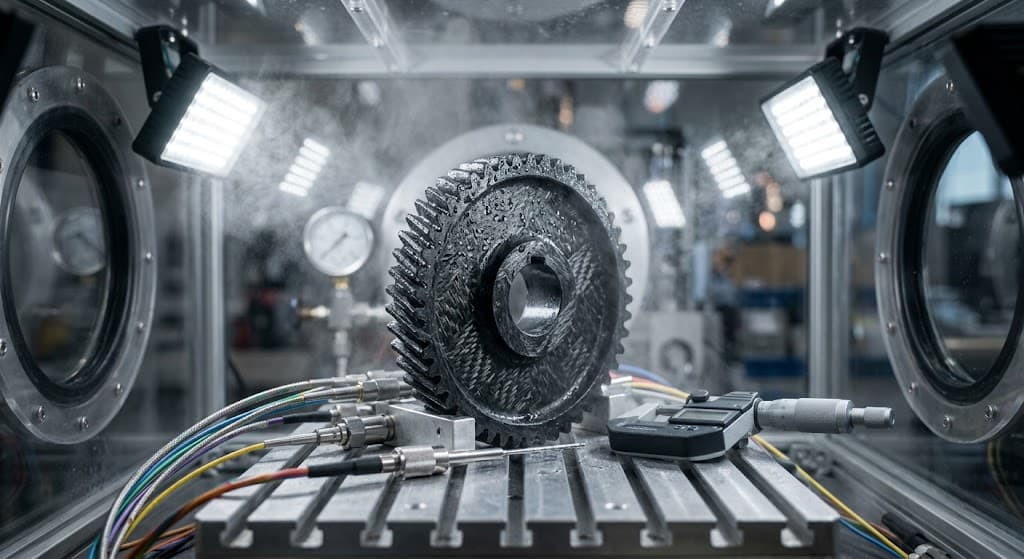
Moisture conditioning focuses on rapidly driving water molecules into the amorphous phase to reach a state of moisture equilibrium with the ambient environment. As-molded polyamide parts are virtually bone-dry, with moisture content often below 0.3%, rendering them inherently brittle. In ambient conditions, equilibrium moisture content eventually reaches 2.0% to 3.5%, but uncontrolled natural absorption takes weeks or months and creates sharp internal moisture gradients. Accelerated conditioning, such as exposing PA6 components to 80°C at 90% relative humidity for 4 to 8 hours or immersing them in hot water at 80°C, facilitates uniform water diffusion throughout the part geometry. Post-conditioning testing demonstrates a dramatic increase in notched impact strength by over 50% and enhanced elongation at break, accompanied by a manageable 15% to 25% reduction in tensile strength and flexural modulus—a trade-off that restores the true engineering toughness of the polymer. Comparing annealing and moisture conditioning reveals distinct yet complementary functional profiles. Annealing addresses crystalline perfection and stress relief, directly mitigating thermal distortion, residual stress cracking, and long-term creep. Moisture conditioning targets plasticization and toughening, solving brittle failure, poor impact resistance, and humidity-induced assembly fitting errors. For high-precision industrial components subjected to mechanical loading and environmental variations, the optimal post-processing sequence requires annealing prior to moisture conditioning. Relieving internal stresses through thermal annealing before bringing the material to moisture equilibrium locks in both morphological stability and mechanical toughness, providing verifiable reliability for demanding engineering applications. FAQ 1. What is your MOQ? For sample orders, we recommend a minimum of 5kg as the MOQ to ensure the validity of the test. For bulk order, we suggest the minimum quantity is 1000kg, the higher the quantity, the lower the shipping cost. 2、About Sample. Samples within 5kg are free of charge, shipping cost is not included. 3、About Quality. We are ISO9001 certified and have perfect testing equipments to ensure that every batch of products are tested and qualified before delivery. 4、About delivery time. Usually samples can be shipped within 3-5 days, and bulk orders can be shipped within 7-10 days. 5、About transaction and payment method. We support TT, LC payment method, EXW, FOB, CIF, CNF trading method.
Read More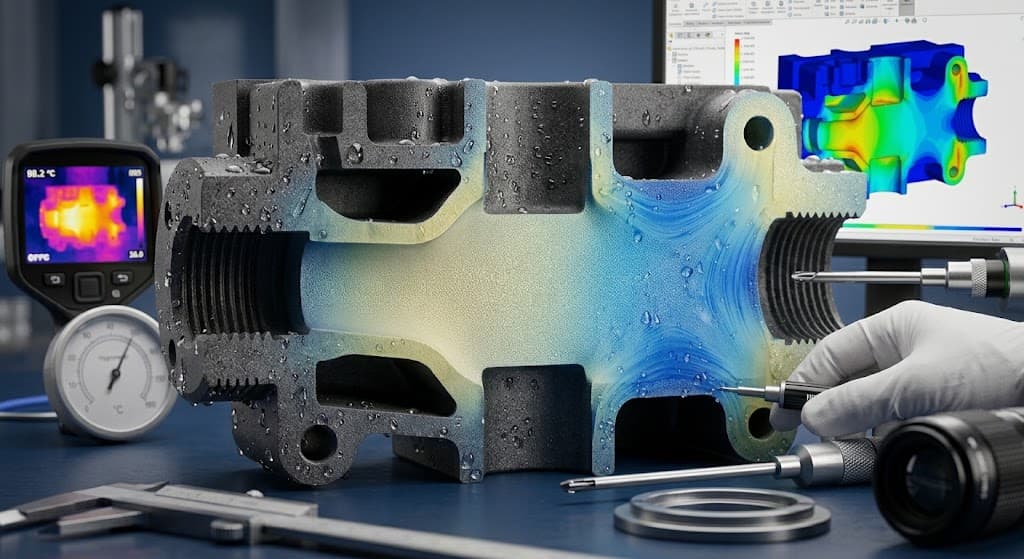
In the field of engineering plastics manufacturing and real-world application scenarios, international buyers and injection molding operators often encounter persistent quality defects: components that exhibit high dimensional precision and flawless surface finish immediately after demolding frequently suffer from warpage, assembly cracking, or brittle fracture during impact testing after delivery. This subtle structural failure typically stems from frozen-in residual stresses generated during molding and the strong intrinsic hygroscopic nature of polyamide (PA) resins. For modified polyamides, including glass fiber reinforced PA6/PA66, flame-retardant, and toughened systems, adjusting standard injection parameters alone is rarely sufficient to guarantee structural integrity. The post-processing stages—specifically annealing and moisture conditioning—are indispensable engineering measures used to eliminate internal stresses, stabilize crystalline morphology, and lock in nominal mechanical properties under actual working conditions. From a polymer physics perspective, injection molding subjects molten polymers to high shear rates followed by rapid thermal quenching. This drastic temperature gradient between the outer skin and the inner core prevents polymer chains from reaching thermodynamic equilibrium, trapping significant residual orientation stress within the amorphous domains. Simultaneously, polyamides feature polar amide groups (-CONH-) along their backbone that form strong hydrogen bonds with environmental moisture. Unconditioned, dry-molded parts absorb water over time, which acts as a plasticizer, lowering the glass transition temperature (Tg) of the amorphous phase. Without controlled moisture conditioning, uncoordinated ambient water absorption induces uneven volumetric expansion, dimensional drift, and premature cracking under mechanical loads. The thermal mechanism of annealing relies on supplying energy to enable segment mobility in frozen polymer chains, thereby relaxing locked-in stresses and perfecting incomplete crystalline structures. In practice, the optimal annealing temperature range is set between the material's glass transition temperature (Tg) and its melting temperature (Tm), typically 20°C to 30°C below Tm. Taking 30% glass-fiber reinforced PA66 (PA66+30%GF) as an example, effective heat treatment requires a sustained temperature of 140°C to 160°C for 1 to 2 hours, followed by slow, controlled furnace cooling. Insufficient thermal input fails to relieve orientation stress, while excessive temperatures or abrupt cooling cause thermal degradation, surface oxidation, and secondary thermal stresses. Quantitative verification shows that properly annealed glass-fiber-reinforced components exhibit dimensional variations below 0.1% during thermal cycling tests, effectively preventing delayed stress cracking under load. FAQ 1. What is your MOQ? For sample orders, we recommend a minimum of 5kg as the MOQ to ensure the validity of the test. For bulk order, we suggest the minimum quantity is 1000kg, the higher the quantity, the lower the shipping cost. 2、About Sample. Samples within 5kg are free of charge, shipping cost is not included. 3、About Quality. We are ISO9001 certified and have perfect testing equipments to ensure that every batch of products are tested and qualified before delivery. 4、About delivery time. Usually samples can be shipped within 3-5 days, and bulk orders can be shipped within 7-10 days. 5、About transaction and payment method. We support TT, LC payment method, EXW, FOB, CIF, CNF trading method.
Read More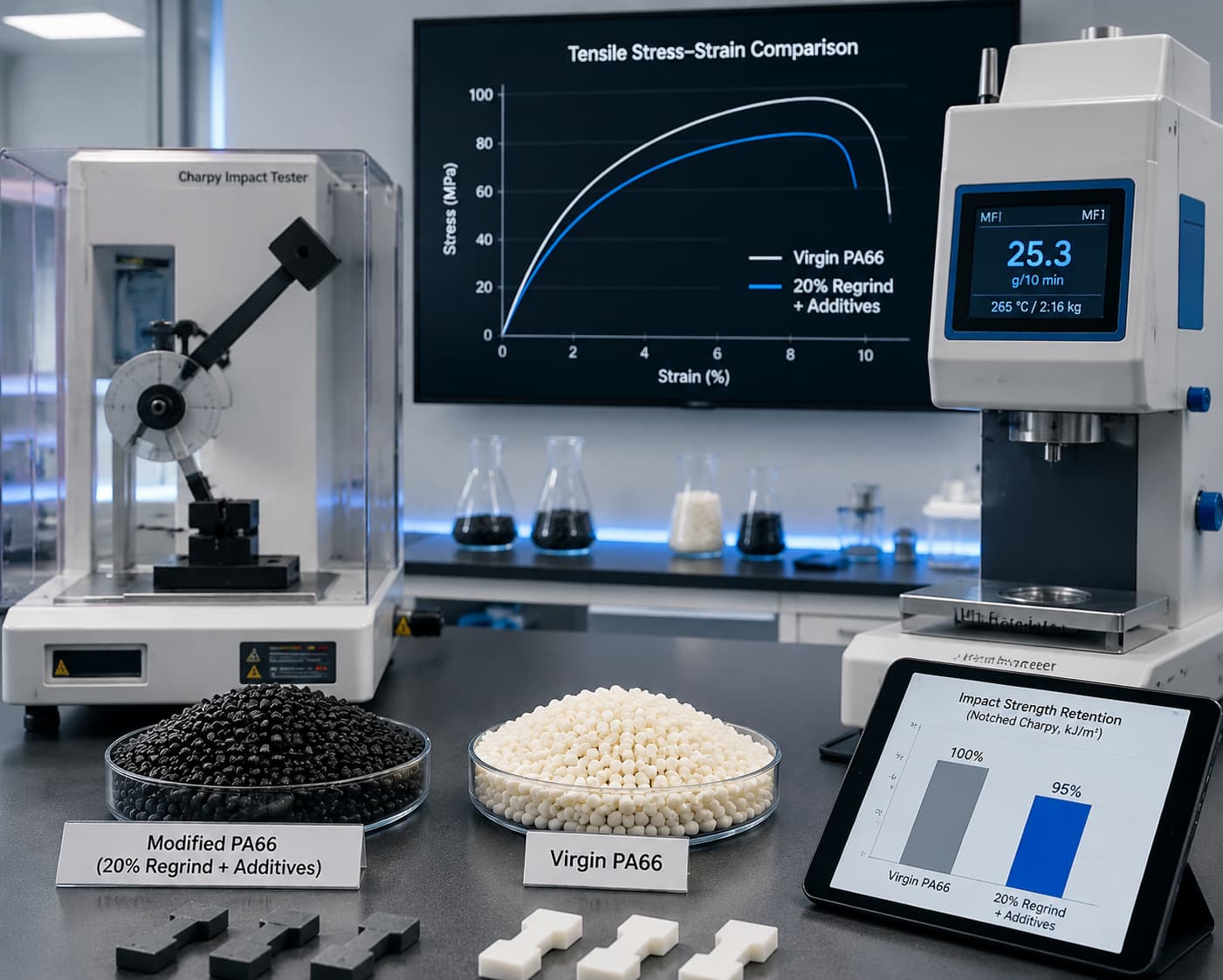
To maintain engineering mechanical properties at higher recycling ratios, molecular chain modification and compatibilization compensation become essential. Addressing chain scission caused by thermal shear and hydrolysis, reactive chain extenders—such as bis-oxazoline or multi-functional epoxy-based compounds—can react rapidly with terminal carboxyl and amino groups of nylon chains. This re-links broken polymer chains, restores high molecular weight, and boosts melt viscosity. Empirical testing demonstrates that adding 0.5%–0.8% highly active chain extender to a PA66+30%GF system containing 20% regrind increases notched impact strength by 15%–22%, noticeably enhances melt strength, and effectively suppresses exposed glass fibers on part surfaces. In addition to chain extension and reinforcement, antioxidant and anti-thermal aging compensation is critical for ensuring long-term service life. When modified nylon undergoes secondary melting, the primary hindered phenol and secondary phosphite antioxidant package is largely consumed, leaving the polymer highly vulnerable to thermal-oxidative degradation. Replenishing 0.2%–0.4% of a compound antioxidant package combined with micro-amounts of copper-based heat stabilizers captures free radicals generated during processing, halts chain-induced degradation, and prevents rapid deterioration of thermal aging resistance over the component's operational lifecycle. Finally, constructing a traceable physical property testing and quality control loop is essential for industrial implementation. When purchasing or internally recirculating modified nylon regrinds, manufacturing plants should perform batch testing for density, melt flow rate, ash content (for glass-fiber reinforced grades), and Charpy/Izod notched impact strength. By establishing physical property baselines for various blend ratios and fine-tuning chain extender and stabilizer formulations based on real-time degradation metrics, manufacturers can transform regrind usage from empirical, unrefined blending into a controllable, reproducible, and refined engineering process. This delivers substantial material cost savings while maintaining strict quality standards for sustainable manufacturing. FAQ 1. What is your MOQ? For sample orders, we recommend a minimum of 5kg as the MOQ to ensure the validity of the test. For bulk order, we suggest the minimum quantity is 1000kg, the higher the quantity, the lower the shipping cost. 2、About Sample. Samples within 5kg are free of charge, shipping cost is not included. 3、About Quality. We are ISO9001 certified and have perfect testing equipments to ensure that every batch of products are tested and qualified before delivery. 4、About delivery time. Usually samples can be shipped within 3-5 days, and bulk orders can be shipped within 7-10 days. 5、About transaction and payment method. We support TT, LC payment method, EXW, FOB, CIF, CNF trading method.
Read More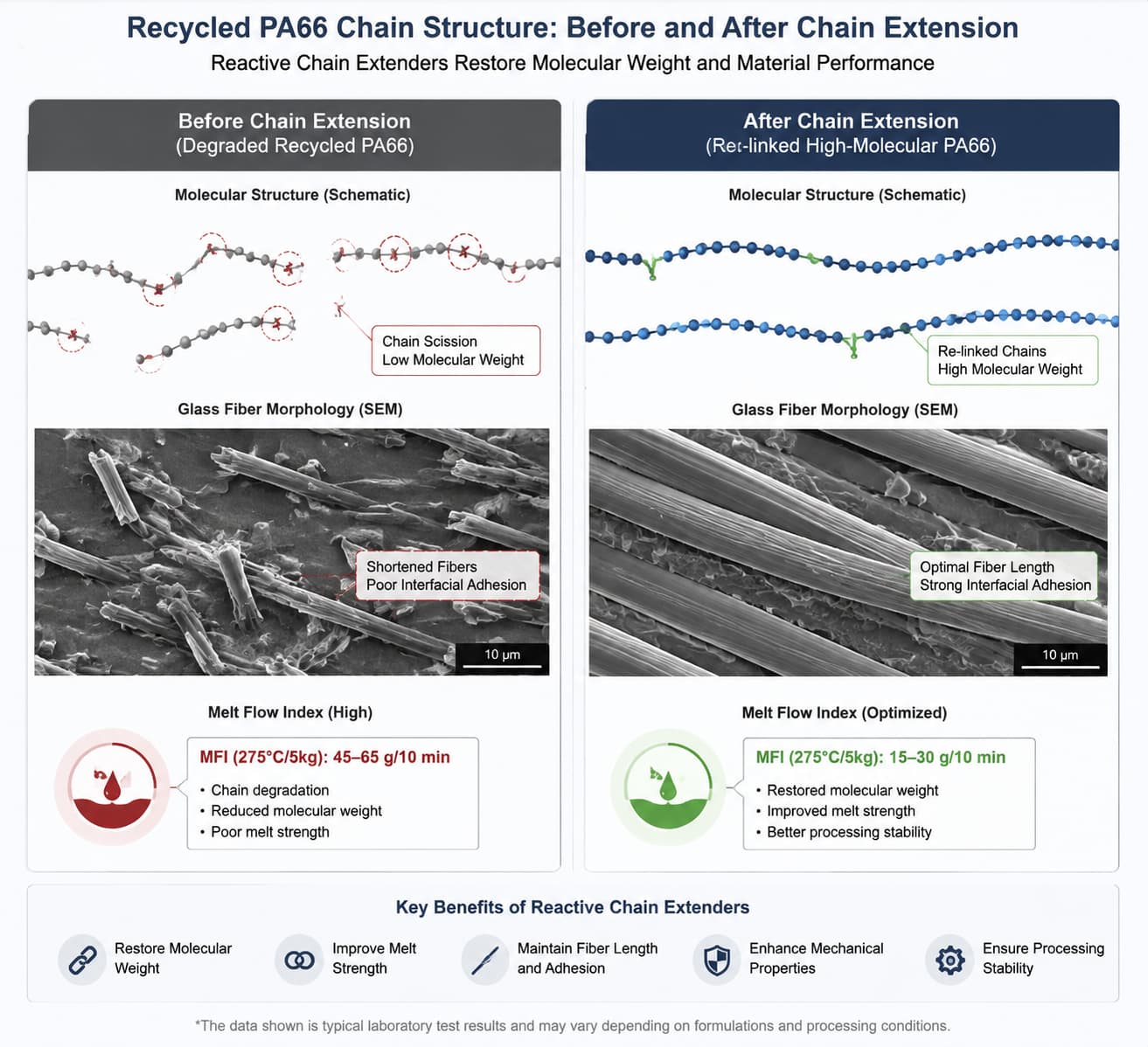
In today's field of injection molding and engineering plastics applications, the proper utilization of modified recycled nylon—such as recycled PA6 and PA66—has evolved far beyond a mere cost-reduction strategy. It has become a core element in supply chain sustainability and carbon footprint management. However, many manufacturing companies frequently encounter abrupt performance drops in practical production. Issues such as a sudden loss of product toughness during continuous molding, insufficient fatigue resistance, brittle failure of structural parts under low temperatures, and severe silver streaks or bubbles caused by hydrolytic degradation are widespread. The root cause is not the inherent non-usability of recycled nylon, but rather a lack of deep understanding regarding the molecular chain degradation mechanisms of polyamide during repeated thermal processing, alongside the absence of precise addition ratio controls and corresponding molecular-level performance compensation techniques. Under real engineering scenarios, nylon resins demonstrate extreme sensitivity to thermal exposure, mechanical shear forces, and residual moisture. During each thermal melting and high-shear passage through an injection molding machine screw, the amide bonds along the polyamide main chain face significant risk of cleavage, leading to reduced molecular weight and a broader molecular weight distribution. For glass-fiber-reinforced modified nylon regrinds, mechanical shear additionally causes severe fiber length degradation, where average glass fiber length can drop from an initial 200–300 microns down to under 100 microns, directly compromising the material's original tensile and impact properties. Directly blending high percentages of recycled material with virgin resin without rigorous pretreatment results in poor surface appearance with exposed fibers, as well as a sharp drop in internal fatigue endurance, seriously damaging product quality stability. To establish reliable standards for using recycled nylon, the primary prerequisite is a precise understanding of property evolution during re-processing. Thermogravimetric analysis and melt flow rate (MFR) testing reveal that as recycling iterations increase or regrind proportions rise, the MFR increases non-linearly, reflecting molecular chain scission and viscosity loss. Furthermore, recycled granules absorb ambient moisture rapidly during storage. If not subjected to rigorous desiccant drying prior to processing, residual moisture triggers severe hydrolysis under high temperatures, severing polymer chains rapidly. Therefore, establishing a strict pre-drying protocol to maintain moisture content strictly below 0.1% (ideally under 0.05%) inside the hopper serves as the indispensable foundation for any performance compensation method to function. Regarding addition ratios, engineering experience and empirical data demonstrate that there is no universal "golden ratio." Instead, ratios must be categorized based on the final application requirements, structural load demands, and mold-filling dynamics. For non-structural parts or industrial components with minimal cosmetic standards, regrind proportions can reach 25%–30%, where tensile strength and flexural modulus generally remain around 85%–90% of virgin material levels. However, for precision structural components subjected to dynamic loading, high impact, or high fatigue, the recycled ratio should be strictly capped within 10%–15%. Exceeding 30% regrind content frequently induces a catastrophic decline in elongation at break and notched impact resistance, while melt rheology becomes highly unstable, leading to alternating flash and short shots during injection molding. FAQ 1. What is your MOQ? For sample orders, we recommend a minimum of 5kg as the MOQ to ensure the validity of the test. For bulk order, we suggest the minimum quantity is 1000kg, the higher the quantity, the lower the shipping cost. 2、About Sample. Samples within 5kg are free of charge, shipping cost is not included. 3、About Quality. We are ISO9001 certified and have perfect testing equipments to ensure that every batch of products are tested and qualified before delivery. 4、About delivery time. Usually samples can be shipped within 3-5 days, and bulk orders can be shipped within 7-10 days. 5、About transaction and payment method. We support TT, LC payment method, EXW, FOB, CIF, CNF trading method.
Read More
Ash content testing (ISO 3451-1) acts as a direct verification tool for filler loading ratios in reinforced, mineral-filled, or flame-retardant polyamide formulations. Heating samples inside a high-temperature muffle furnace (typically 600°C to 800°C) completely burns away the organic nylon matrix, leaving behind inorganic residues like glass fiber, carbon fiber, talc, or inorganic flame retardants. For glass-reinforced compounds like PA66 GF30, acceptable ash variance must remain within narrow tolerances. An ash reading significantly below spec compromises structural rigidity and Heat Deflection Temperature (HDT). Excess ash increases material density and procurement cost while driving up melt viscosity, accelerating screw wear, and degrading impact toughness. Empirical validation extends further to microscopic inspection of the calcined residue: if residual glass fibers appear crushed into fine powder, the material underwent destructive shear during twin-screw compounding. Even if total ash percentage appears correct, short retention fiber length severely degrades impact strength and fatigue life. Mechanical performance testing should never rely on static tensile strength alone, but must incorporate comprehensive evaluation across ISO 527 (tensile), ISO 178 (flexural), and ISO 179/180 (impact) standards, explicitly differentiating between Dry-As-Molded (DAM) and moisture-conditioned states. The interfacial adhesion between inorganic fillers and the polyamide matrix determines true mechanical performance. When silane coupling agents fail or disperse unevenly, glass fibers pull out from the matrix under stress rather than transferring tensile loads, leading to dropped elongation at break and sub-standard notched impact resistance. In practical engineering, Izod or Charpy notched impact tests prove exceptionally sensitive at detecting internal stress raisers and poor phase compatibility. For instance, highly flame-retardant nylon grades suffering from small-molecule additive blooming or excessive crystallization exhibit severe drops in notched impact toughness—a hidden defect unnoticeable in standard tensile tests that inevitably leads to brittle snap-fit failure during assembly. Constructing an effective Incoming Quality Control (IQC) protocol requires combining these three evaluation methods into a closed loop rather than reviewing them in isolation. Upon receiving production samples, inspectors should perform rapid ash testing to verify filler loading and rule out formulation errors. Next, MFR testing under controlled moisture conditions evaluates polymer chain degradation and processing window consistency. Finally, mechanical tensile and notched impact testing on dry specimens validates coupling agent performance and matrix toughness. This three-tier verification process—combining filler verification, molecular chain health check, and destructive mechanical testing—enables international buyers and downstream manufacturers to intercept degraded material, over-sheared glass fibers, or poor interfacial coupling before resins enter the injection molding machine, eliminating batch recalls and building enduring commercial trust grounded in hard engineering data. FAQ 1. What is your MOQ? For sample orders, we recommend a minimum of 5kg as the MOQ to ensure the validity of the test. For bulk order, we suggest the minimum quantity is 1000kg, the higher the quantity, the lower the shipping cost. 2、About Sample. Samples within 5kg are free of charge, shipping cost is not included. 3、About Quality. We are ISO9001 certified and have perfect testing equipments to ensure that every batch of products are tested and qualified before delivery. 4、About delivery time. Usually samples can be shipped within 3-5 days, and bulk orders can be shipped within 7-10 days. 5、About transaction and payment method. We support TT, LC payment method, EXW, FOB, CIF, CNF trading method.
Read More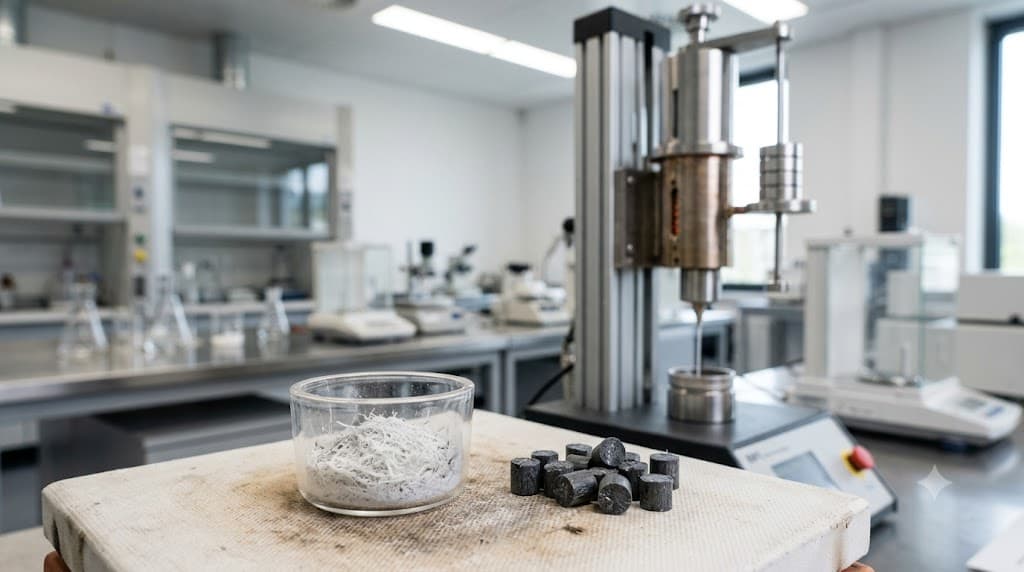
In the injection molding and extrusion processing of high-performance engineering plastics, the batch-to-batch stability of modified nylon (such as PA6 or PA66 glass-reinforced and flame-retardant grades) directly dictates production yields and long-term part reliability. Procurement teams reviewing Technical Data Sheets (TDS) provided by suppliers frequently encounter the dilemma of "compliant parameters on paper, yet structural cracking during assembly" or "severe melt flow fluctuations on the machine." Standard factory data sheets generally reflect peak properties of specific test specimens measured under ideal dry conditions, which fail to expose hidden risks like recycled resin dilution, twin-screw thermal-shear degradation, or uneven flame retardant dispersion. Establishing a resilient raw material quality control framework requires moving beyond reliance on basic tensile strength figures. Buyers must integrate Melt Flow Rate (MFR), quantitative ash analysis, and multi-dimensional mechanical testing to evaluate materials across polymer chain integrity, inorganic filler ratio, and microstructural cohesion. Melt Flow Rate (MFR) serves as the most sensitive barometer for evaluating thermal history and molecular weight distribution in modified nylon compounds. Polyamide resins are inherently hygroscopic; if plastic pellets are not dried thoroughly before melting, ambient moisture triggers aggressive hydrolytic degradation under elevated temperatures. This chain scission slashes molecular weight and manifests as an abnormally high melt flow reading. During standard testing according to ISO 1133 or ASTM D1238, sample moisture must be brought below 0.05% before measuring extrusion mass under specified temperature and load parameters (such as 275°C / 2.16 kg for PA66). An MFR spike exceeding 20% over the baseline formula typically signals the presence of reprocessed scrap subjected to multiple heat cycles, or excessive screw shear breaking down polymer chains. Conversely, an abnormally low MFR suggests crosslinking side-reactions or over-dosing of chain extenders. These flow anomalies directly correlate with flash formation or short shots during processing, serving as early warnings for residual internal stress and premature creep failure. FAQ 1. What is your MOQ? For sample orders, we recommend a minimum of 5kg as the MOQ to ensure the validity of the test. For bulk order, we suggest the minimum quantity is 1000kg, the higher the quantity, the lower the shipping cost. 2、About Sample. Samples within 5kg are free of charge, shipping cost is not included. 3、About Quality. We are ISO9001 certified and have perfect testing equipments to ensure that every batch of products are tested and qualified before delivery. 4、About delivery time. Usually samples can be shipped within 3-5 days, and bulk orders can be shipped within 7-10 days. 5、About transaction and payment method. We support TT, LC payment method, EXW, FOB, CIF, CNF trading method.
Read More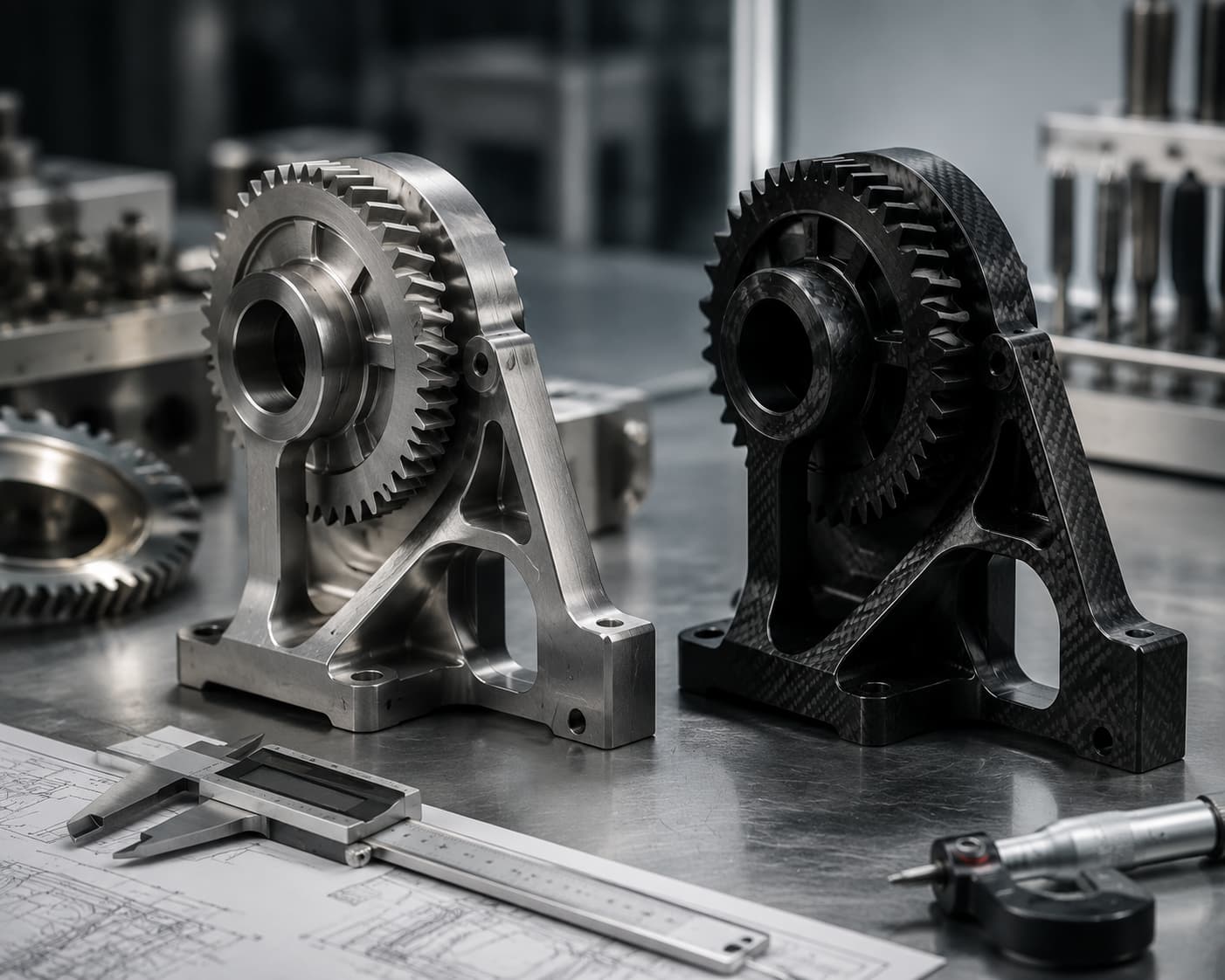
Operational environments and secondary physical properties often drive final material approval. Beyond static mechanical figures, friction behavior, thermal dissipation, and anisotropy play decisive roles. Glass fibers are abrasive and electrically insulating; under high-velocity friction or cyclic vibration, exposed fibers can accelerate wear on mating metal surfaces and build static charge. Carbon fiber offers intrinsic lubricity, electrical conductivity, and thermal dissipation. CF-reinforced nylon thrives in unlubricated gears, dynamic bearings, and explosion-proof housings where static dissipation and heat transfer matter. However, carbon fibers exhibit sharper flow-induced orientation during injection molding than glass fibers, resulting in pronounced anisotropy. Without optimized gating and warp analysis, non-uniform shrinkage can trigger internal stress concentration and dimensional distortion. Evaluating cost requires shifting from raw material price per kilogram to total cost per part and system-level efficiency. Carbon fiber modified nylon compound pricing can be 4 to 8 times higher than equivalent GF-filled polyamide grades. This initial cost difference often deters procurement teams. Yet, in automotive powertrains, robotics end-effectors, drone frames, and high-speed textile machinery, the weight savings directly lower motor loads and energy consumption while sharpening dynamic response. Furthermore, replacing machined aluminum or die-cast metal parts with single-shot molded CF-nylon eliminates secondary CNC machining, deburring, and surface treatment. When factoring in operational energy reduction and process consolidation, high upfront CF material costs are frequently offset over the production lifecycle. For high-volume enclosures, pump impellers, and power tool housings where space is unconstrained and cost efficiency is paramount, GF-reinforced nylon remains the pragmatic baseline.
Read More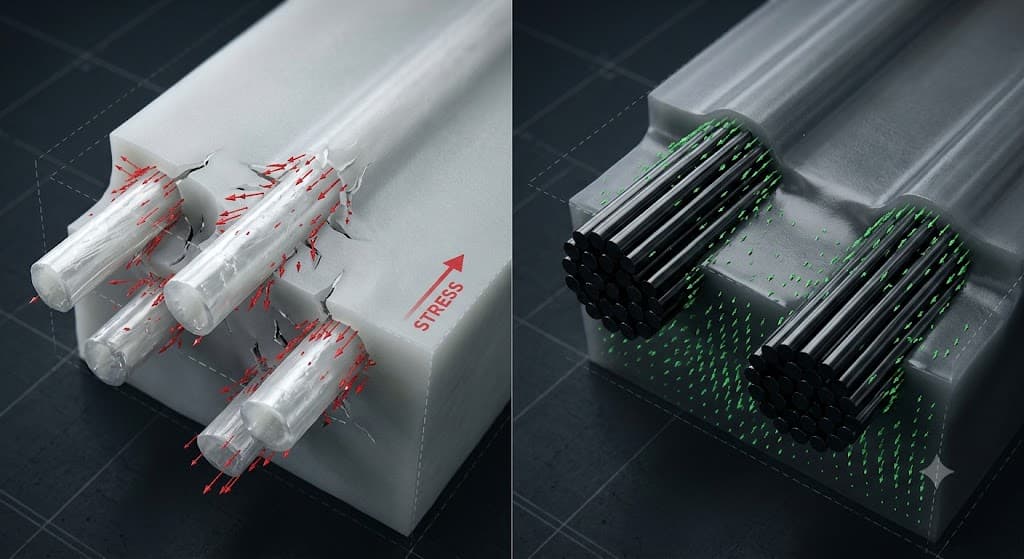
Selecting between glass fiber (GF) and carbon fiber (CF) reinforced modified nylon is ultimately a tactical trade-off between mechanical demands and lifetime component cost. Engineers and procurement specialist face constant friction: maximizing mechanical integrity while achieving target lightweighting without blowing past unit-cost limits. As the primary reinforcing mediums for polyamides, GF and CF exhibit unique microstructural mechanics that govern final macro-performance. Glass fiber remains the default choice for structural components due to high cost-efficiency and reliable strength gains. Conversely, carbon fiber delivers extreme specific strength, low density, and unique tribological and electrostatic properties, making it indispensable for high-end lightweighting and precision applications. Navigating this selection requires mapping mechanical parameters to operational stress, environmental context, and total manufacturing costs. From a microstructural perspective, GF and CF modify nylon matrices through distinct mechanical interfaces. Glass fibers enhance tensile and flexural modulus through interfacial shear stress transfer. A standard 30% GF-reinforced PA66 raises tensile strength into the 160–180 MPa range while vastly improving creep resistance and heat deflection temperature under load. However, the density of raw glass (~2.54 g/cm³) pushes the compound density to around 1.35–1.45 g/cm³, introducing unwanted mass in weight-critical subassemblies. In contrast, carbon fiber (~1.75–1.80 g/cm³ fiber density) keeps the finished compound lighter (1.25–1.35 g/cm³). Crucially, CF delivers superior specific modulus: a 30% CF-reinforced PA66 regularly exceeds 220–250 MPa tensile strength, with flexural modulus reaching 1.5 times that of GF alternatives. This performance allows structural wall thinning—enabling a cumulative lightweighting effect via combined material density reduction and geometric optimization.
Read More