Our company

Polyamide

Home

Polyamide

  • High-Transparency Nylon: Technological Breakthroughs from Optical Design to Molding Control
    High-Transparency Nylon: Technological Breakthroughs from Optical Design to Molding Control
    Oct 23, 2025
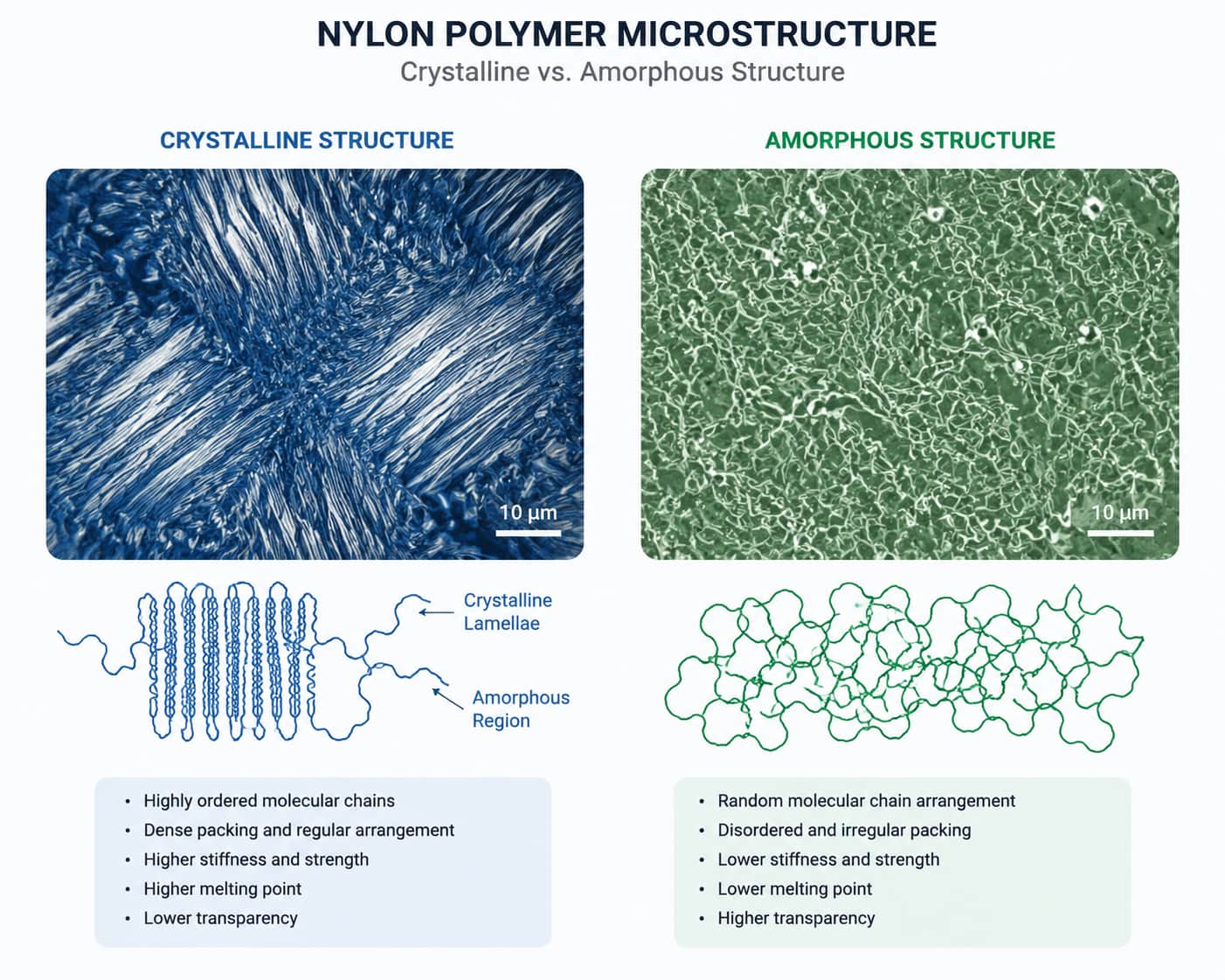
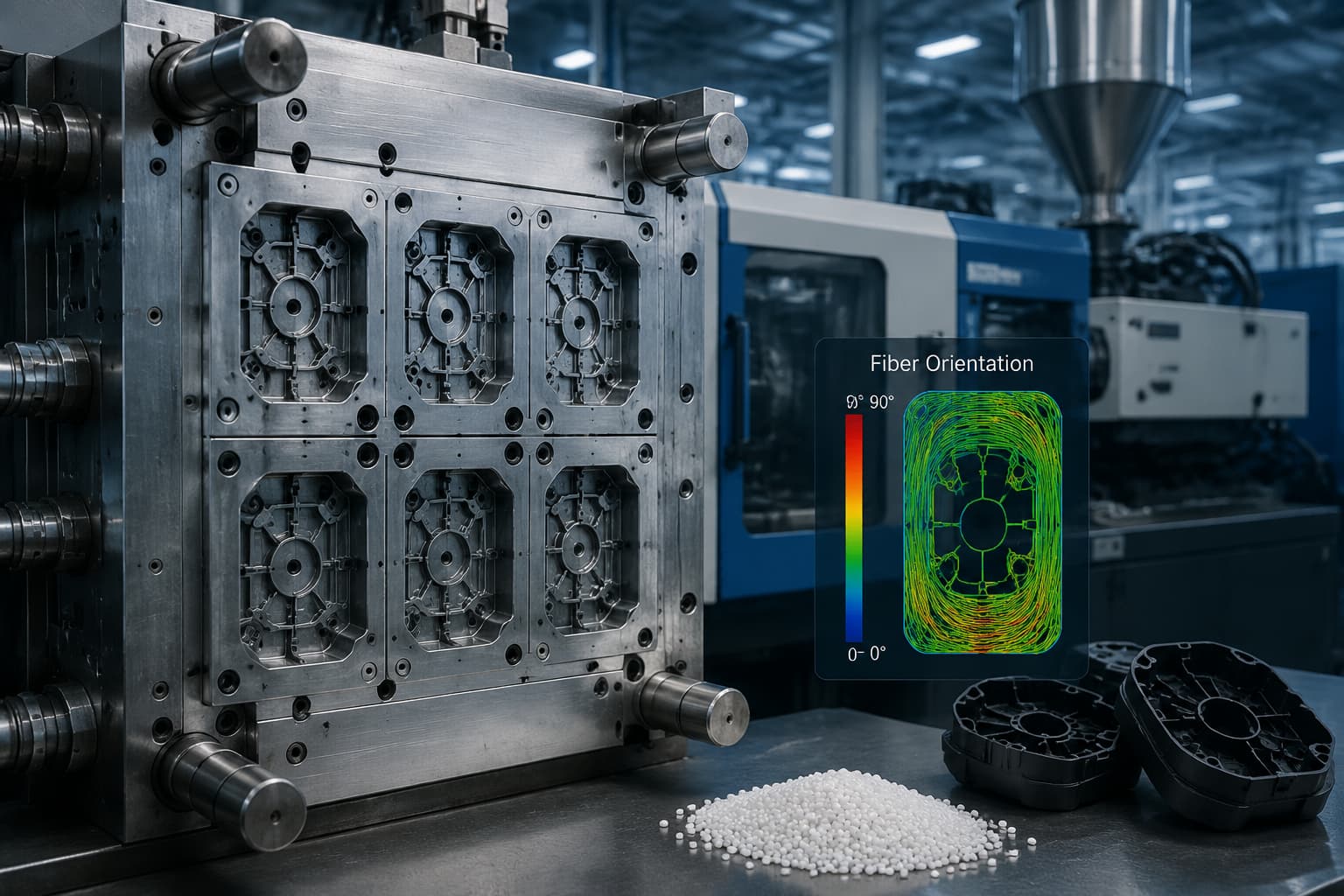
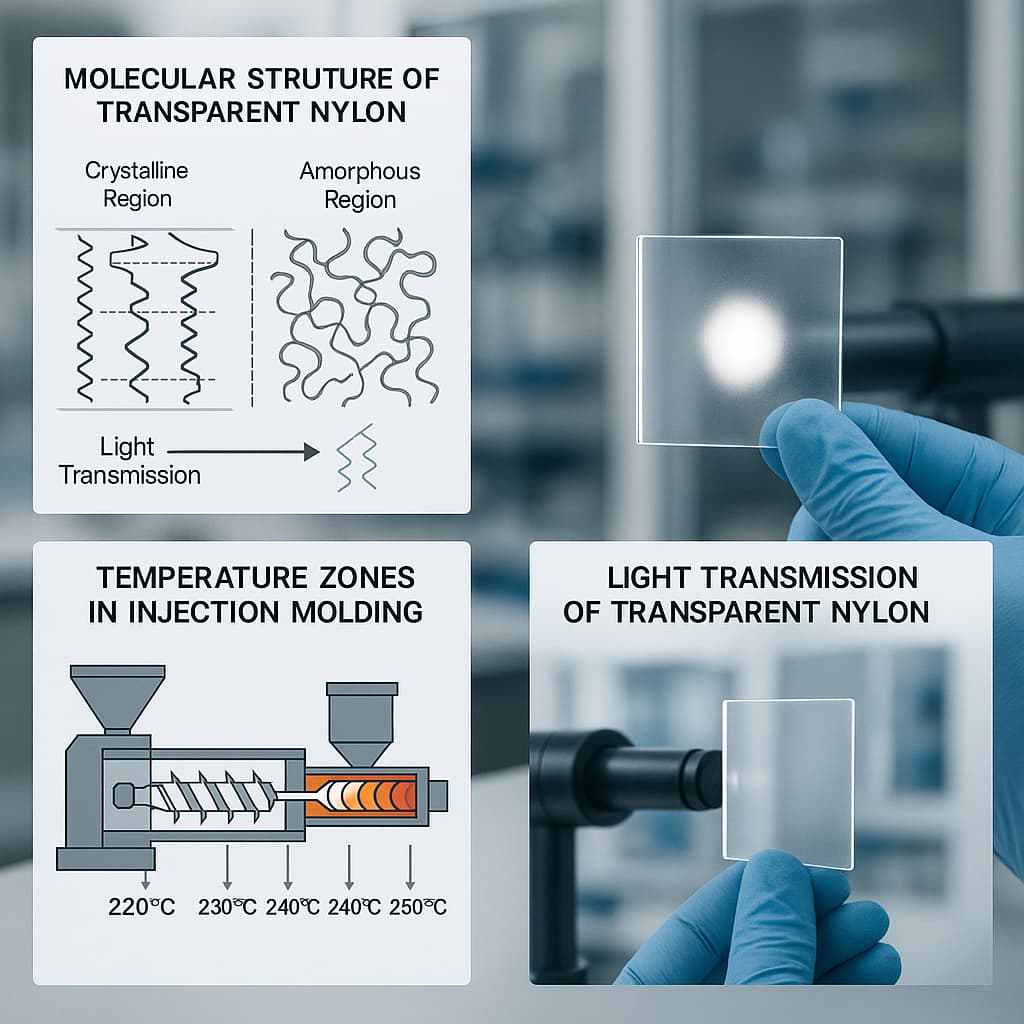
    High-transparent nylon represents one of the most remarkable developments in advanced engineering plastics in recent years. Compared with conventional nylon, it not only requires excellent mechanical strength and heat resistance but also demands a delicate balance between high light transmittance and low birefringence at the molecular level. Achieving this balance relies on the regularity of molecular chains, controlled crystallinity, and extremely low impurity content. Traditional nylons often suffer from optical scattering due to the refractive index difference between crystalline and amorphous regions, which limits transparency. To overcome this, researchers have modified monomer structures, introduced copolymer units, and adjusted crystallization kinetics to optimize optical performance at the molecular scale. During the optical design phase, high-transparent nylon typically adopts aliphatic and cycloaliphatic copolymer structures to reduce intermolecular polarity and suppress crystallization. The incorporation of cycloaliphatic rings enhances molecular rigidity and minimizes birefringence during light transmission. As a result, transmittance in the visible spectrum can reach 88–92%, comparable to PMMA and PC. At the same time, nylon’s superior toughness and thermal stability enable it to maintain optical performance under high temperature and impact, giving it unique advantages in automotive, electronic, and optical applications. Processing conditions play a decisive role in determining transparency. Since crystallinity strongly affects optical clarity, precise control of cooling rate and mold temperature is essential during injection molding. Rapid cooling suppresses crystallization and increases the amorphous fraction, improving transparency, though overly fast cooling may induce internal stress. Hence, temperature zoning and gradual cooling are often employed. Proper drying before molding is also critical, as moisture can disrupt hydrogen bonding and cause optical defects. Today, transparent nylon is widely used in optical lenses, automotive lamp covers, sensor windows, and 3D-printed optical components. Especially in automotive lighting, it is gradually replacing PC and PMMA due to its excellent heat aging resistance and impact strength. Future research will focus on orientation-controlled amorphous transparent nylon, low-hygroscopicity grades, and recyclable bio-based transparent nylons, aiming to achieve a balance between optical performance and sustainability.
    Read More
  • Modification Ideas and Typical Formulations of Conductive and Thermally Conductive Nylon Materials
    Modification Ideas and Typical Formulations of Conductive and Thermally Conductive Nylon Materials
    Oct 15, 2025
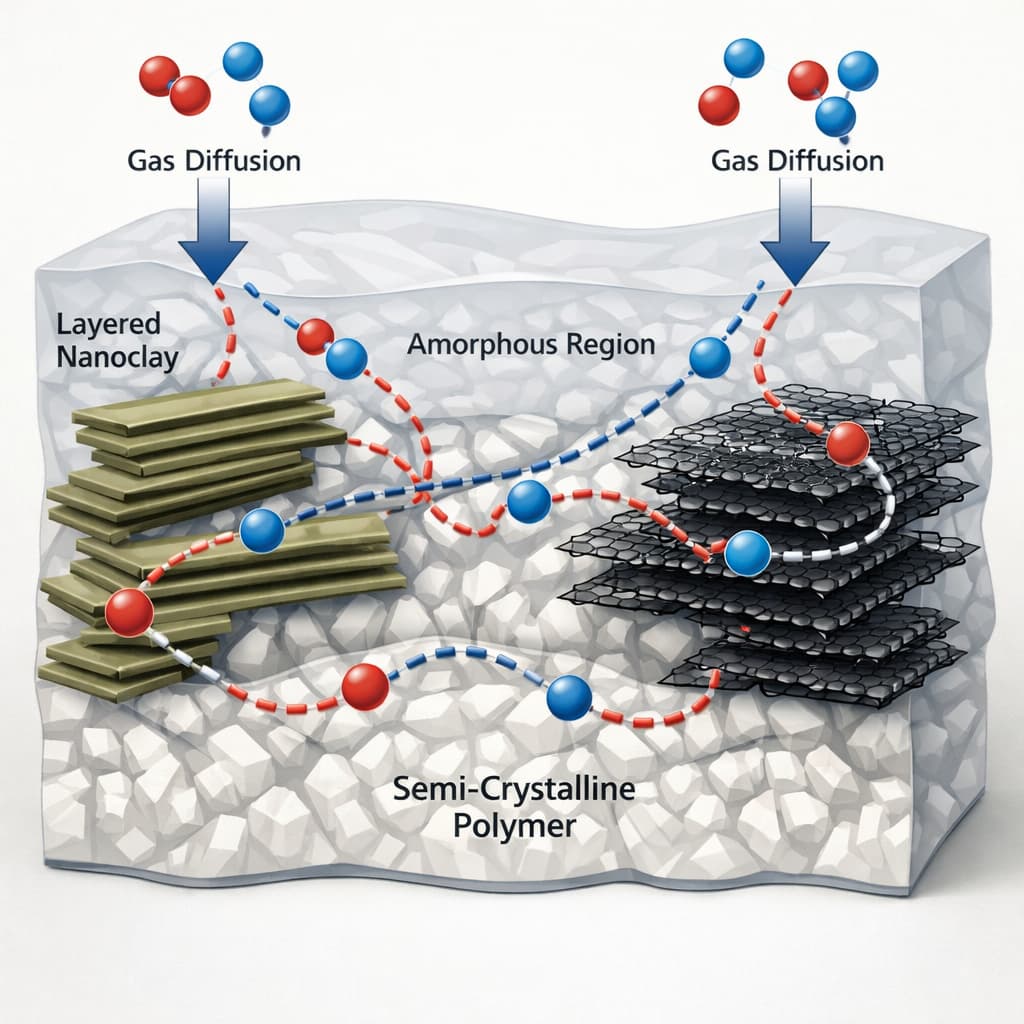
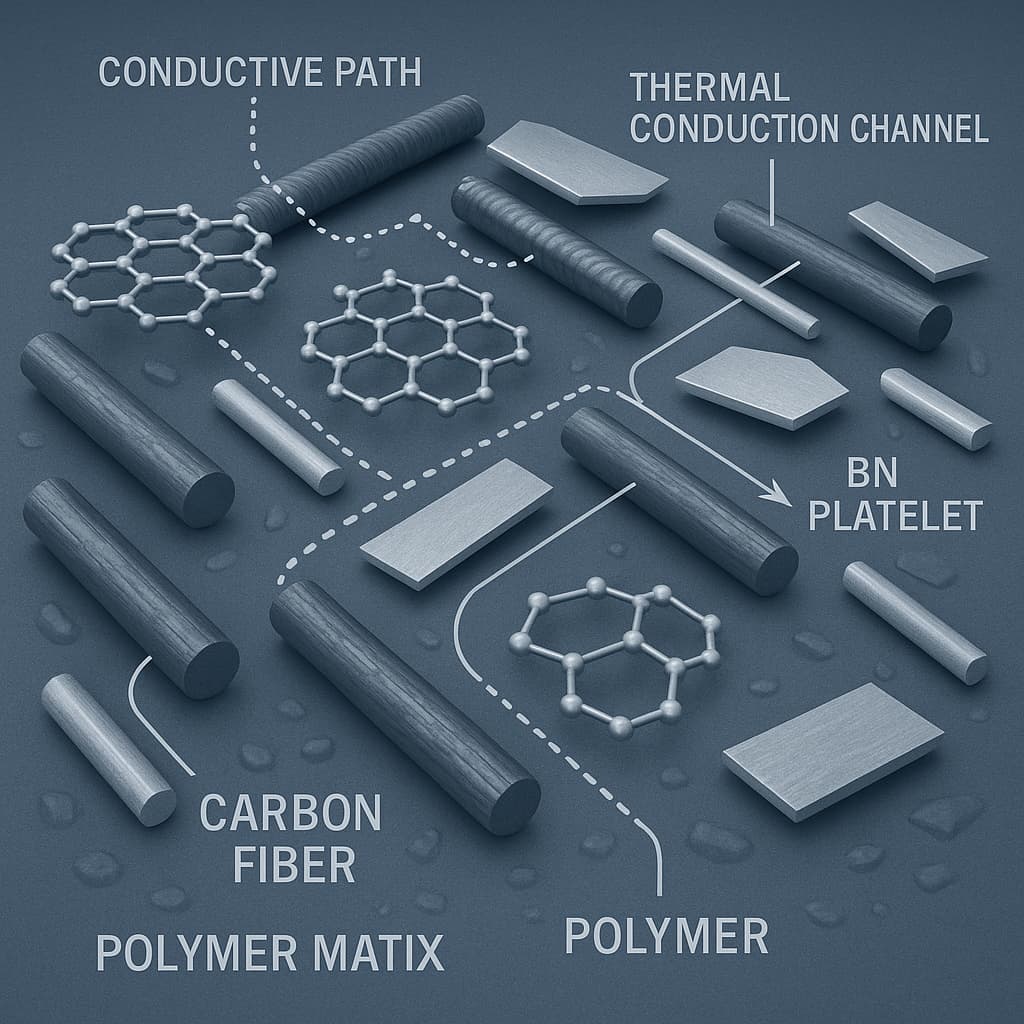
    The development of electrically and thermally conductive nylon materials represents a key direction in polymer functionalization. Conventional nylons, known for their excellent mechanical strength and thermal resistance, are widely used in automotive, electrical, and industrial applications. However, since polyamides are inherently insulating, their low electrical and thermal conductivity limits further use in high-performance functional areas. To meet the dual demands for heat dissipation and antistatic properties in modern electronics, smart manufacturing, and electric vehicles, conductive and thermally enhanced nylon composites have become a focus of material innovation. For electrical conductivity modification, conductive fillers are dispersed within the nylon matrix to form a continuous conductive network. Typical fillers include carbon black, carbon fiber, carbon nanotubes (CNTs), graphene, and metallic powders. Carbon black systems are cost-effective but may reduce mechanical strength, whereas carbon fibers and graphene can enhance both conductivity and structural integrity. To improve filler dispersion and interfacial bonding, surface modification and coating techniques are often applied, ensuring stable resistivity and long-term antistatic performance. Thermal conductivity modification aims to enhance the heat transfer capability of nylon systems. Fillers can be classified as metallic (aluminum, copper) and non-metallic (boron nitride, alumina, silicon carbide). Non-metallic fillers, particularly hexagonal boron nitride (h-BN), offer high thermal conductivity and electrical insulation, making them ideal for electrical housings. When properly dispersed in PA6, h-BN can increase thermal conductivity to 1.5–3 W/m·K, while carbon fiber reinforced systems can reach above 5 W/m·K. Advanced processing methods like high-shear blending and oriented extrusion further promote filler alignment and improve heat conduction pathways. Balancing electrical and thermal performance poses a unique challenge. Electrical conductivity relies on continuous filler networks, whereas thermal conductivity depends on interfacial contact and orientation. Hybrid systems often adopt layered or multiphase composite designs—combining graphene with boron nitride or short carbon fibers with alumina—to achieve simultaneous electrical and thermal functionality. Such materials are increasingly applied in EV battery modules, motor housings, and 5G thermal management components. The stability of conductive and thermally conductive nylons largely depends on interfacial engineering. Coupling agents, surfactants, and plasma treatments can enhance filler dispersion and adhesion, minimizing voids and maintaining mechanical integrity. Future research is expected to focus on ordered nanofiller assembly, gradient distribution techniques, and hybrid filler systems that combine high thermal conductivity with electrical insulation.
    Read More

Leave a Message

Leave a Message
If you are interested in our products and want to know more details,please leave a message here,we will reply you as soon as we can.
submit

Home

Products

WhatsApp

contact