Our company

Blog

Home

Blog

  • Flame-Retardant Nylon: How to Achieve UL94 V0?
    Flame-Retardant Nylon: How to Achieve UL94 V0?
    Jul 02, 2025
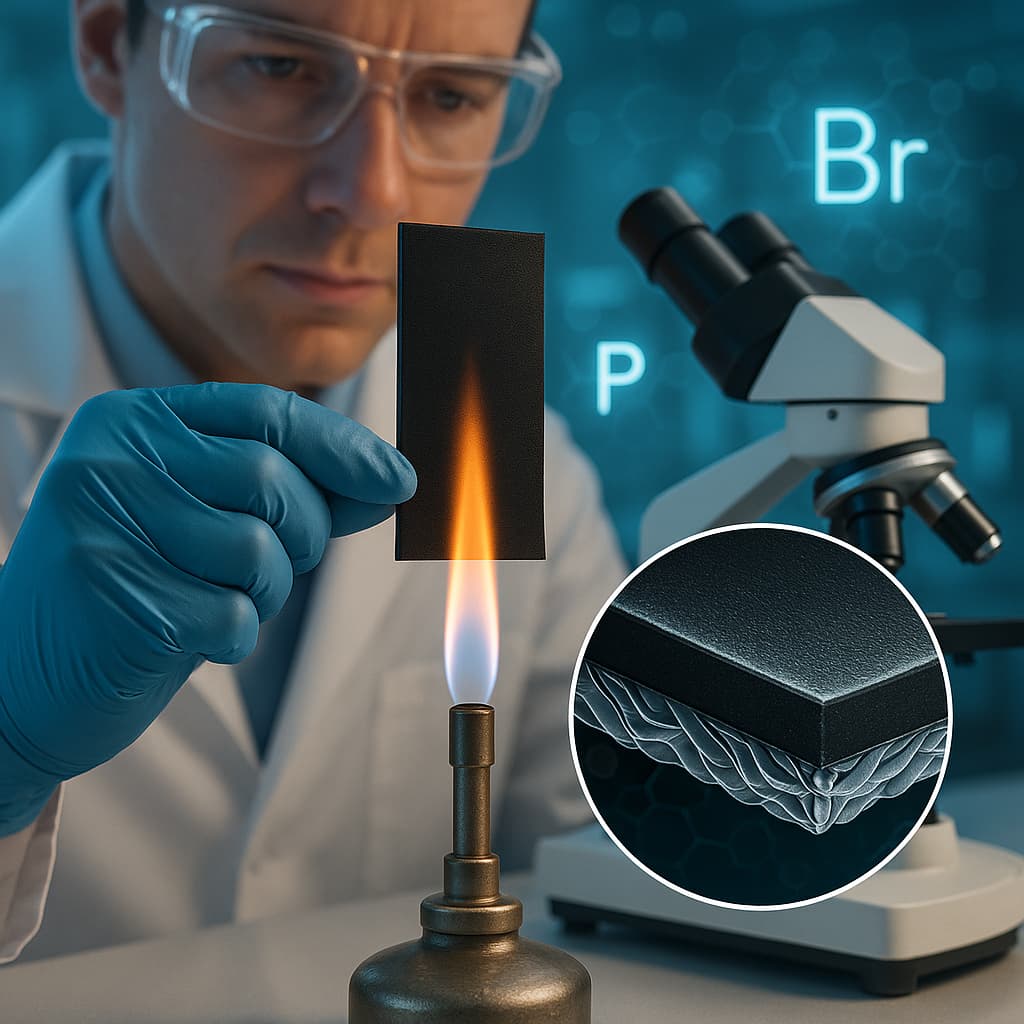
    Flame-retardant nylon, as a high-performance engineering plastic, plays a critical role in electronics, automotive, and construction industries. Among various flammability standards, UL94 V0 is one of the most stringent, requiring the material to self-extinguish within 10 seconds during vertical burning tests without igniting cotton below. Achieving this rating demands systematic optimization in material formulation, flame retardant selection, and processing techniques. The most straightforward approach is incorporating flame retardants. Traditional brominated flame retardants (BFRs), such as decabromodiphenyl ether (DecaBDE), inhibit combustion via gas-phase radical quenching. However, due to potential dioxin release during combustion, regulations like EU RoHS and REACH have restricted their use, driving the shift toward phosphorus-based and halogen-free alternatives. Phosphorus-based flame retardants (e.g., red phosphorus, phosphates) and nitrogen-phosphorus synergistic systems exhibit excellent efficiency in nylons like PA6 and PA66. Red phosphorus generates phosphoric acid derivatives during burning, promoting char formation to isolate heat and oxygen. Nitrogen-phosphorus systems (e.g., melamine polyphosphate, MPP) employ intumescent mechanisms, creating porous char layers that reduce heat release rates. These systems typically require only 15-20% loading to meet UL94 V0 while minimally affecting mechanical properties. Halogen-free options like aluminum hydroxide (ATH) and magnesium hydroxide (MDH) are favored for their low toxicity and smoke, but their inefficiency necessitates 30-50% loading, degrading toughness and melt flow. To compensate, glass fiber reinforcement (e.g., 30% GF) is often used—for instance, GF-reinforced PA66 with phosphorus retardants balances strength, heat deflection temperature (HDT), and flame resistance. Recent advances in nanocomposites offer new strategies. Nanofillers like montmorillonite clay, carbon nanotubes (CNTs), or graphene form compact char layers during combustion, effectively blocking heat and gas diffusion. For example, PA6/nanoclay composites develop continuous char barriers, significantly delaying flame spread. Semi-aromatic nylons (e.g., PA6T, PA9T), with their rigid chains and high thermal stability, exhibit intrinsic flame resistance, reducing additive dependency—ideal for high-temperature applications like automotive connectors. Processing parameters critically impact performance. Melt flow index (MFI), injection temperature, and mold design influence flame retardancy. Excessive temperatures may decompose phosphorus retardants prematurely, while poor flowability causes incomplete filling, leading to uneven flame resistance. Optimization via methods like Taguchi experiments ensures a balance between flammability, mechanical properties, and processability. Thin-wall electronics further demand high-flow, fast-crystallizing formulations, challenging compatibility with flame-retardant systems. Application-specific requirements dictate material design. In electronics (e.g., sockets, battery housings), UL94 V0 must coexist with high Comparative Tracking Index (CTI) for electrical safety. Automotive applications (e.g., cable sheaths, EV charging components) require long-term heat resistance (>105°C) and chemical stability against oils/coolants. Construction materials prioritize low smoke density and toxic gas emissions per standards like GB 8624. Future trends focus on eco-friendly halogen-free solutions (e.g., silicone-based, bio-derived retardants) and intrinsic flame resistance via molecular design (e.g., aromatic rings, heteroatoms), merging sustainability with performance.
    Read More

  • Mechanical Performance Optimization of Reinforced Nylon (Glass Fiber/Carbon Fiber Modification)
    Mechanical Performance Optimization of Reinforced Nylon (Glass Fiber/Carbon Fiber Modification)
    Jun 17, 2025
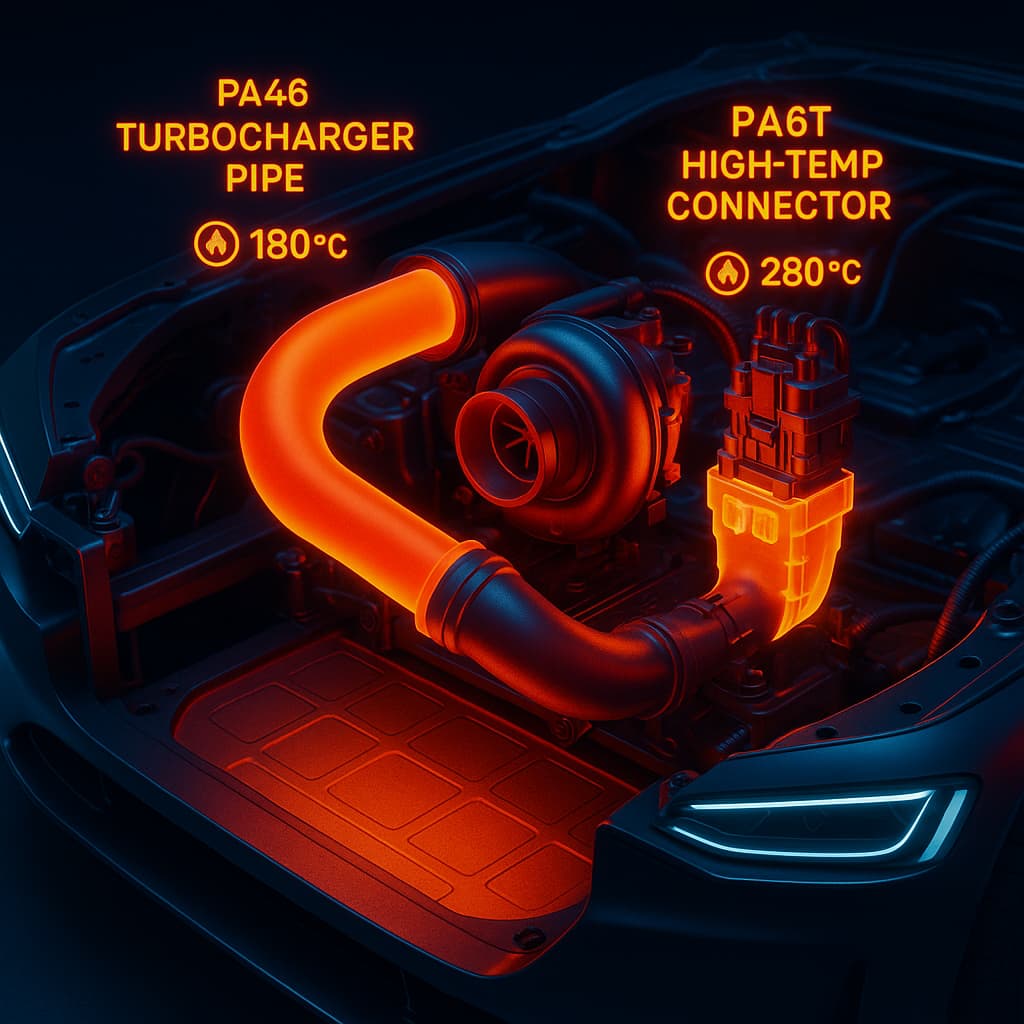
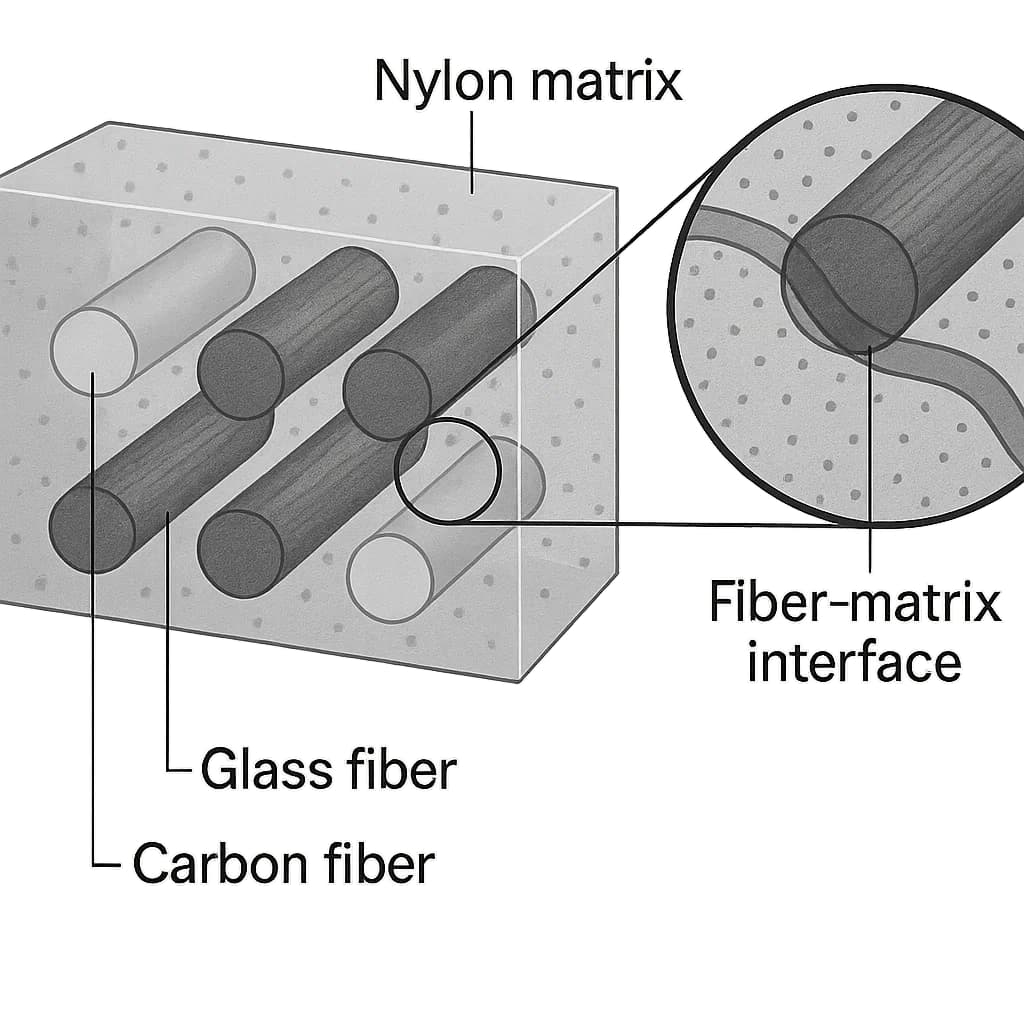
    While neat nylon exhibits excellent overall properties, its performance under extreme conditions reveals notable limitations. When operating temperatures exceed 120°C or under sustained mechanical loads, unmodified nylon products are prone to creep deformation and strength degradation. Engineering practice demonstrates that at 150°C, the tensile strength of standard nylon 6 can decrease by over 40%, significantly restricting its application in critical components. To overcome these performance barriers, materials engineers have developed fiber reinforcement as a groundbreaking solution. Glass fiber reinforcement represents the most classical and cost-effective modification method. At 30% loading, nylon composites achieve 150-180MPa tensile strength - a 2-3 fold increase from the original 60MPa. The flexural modulus jumps from 2.5GPa to 8-10GPa. More remarkably, the heat deflection temperature (HDT) soars from 65°C to above 200°C, enabling applications in engine compartment environments. In practice, these reinforced nylons successfully replace metal components in intake manifolds and turbocharger piping, achieving 30%-40% weight reduction. Microstructurally, fiber reinforcement mimics reinforced concrete architecture. The 10-20μm diameter glass fibers function as micro-rebars bearing primary loads, while the nylon matrix transfers stresses. This synergy stems from three mechanisms: the fiber's high modulus (72GPa) constrains matrix deformation; the fiber network impedes molecular chain slippage; and effective interfacial bonding ensures stress transfer. However, this approach introduces anisotropy - the longitudinal strength may double transverse values, necessitating careful fiber orientation design. Carbon fiber reinforcement represents a premium technology. Beyond superior mechanics (500MPa tensile strength), it imparts unique functionalities: volume resistivity降至10Ω·cm for static dissipation; >60dB EMI shielding; 5-8x enhanced thermal conductivity. These properties make it ideal for drone frames and satellite components, though its high cost (10-15x glass fiber) limits widespread adoption. Optimizing reinforcement requires solving interfacial challenges. Untreated fibers exhibit poor adhesion, creating stress concentrations. Silane coupling agents can triple interfacial shear strength. More advanced solutions employ maleic anhydride-grafted polyolefins as compatibilizers, forming molecular bridges with nylon's terminal amines. Data shows 50% improvement in impact strength and 30% reduced water absorption. Addressing equipment wear, modern processing offers multiple solutions: tungsten carbide-coated screws last 5x longer; bimetallic barrels feature centrifugal-cast alloy liners; innovative barrier screws minimize fiber breakage. These advances enable stable production of 50% fiber-loaded composites. Future trends focus on three directions: short fibers (3-6mm) gain traction for superior flow and surface finish; hybrid mineral systems (e.g. glass fiber/talc) maintain 85% performance at 20% cost reduction; long fiber thermoplastics (LFT) with 10-25mm fibers approach metallic properties. These innovations are revolutionizing lightweight applications from EV battery trays to robotic joints.
    Read More
  • Nylon Modification Technology - Nylon 6 vs Nylon 66: Performance Comparison and Modification Approaches.
    Nylon Modification Technology - Nylon 6 vs Nylon 66: Performance Comparison and Modification Approaches.
    Jun 17, 2025
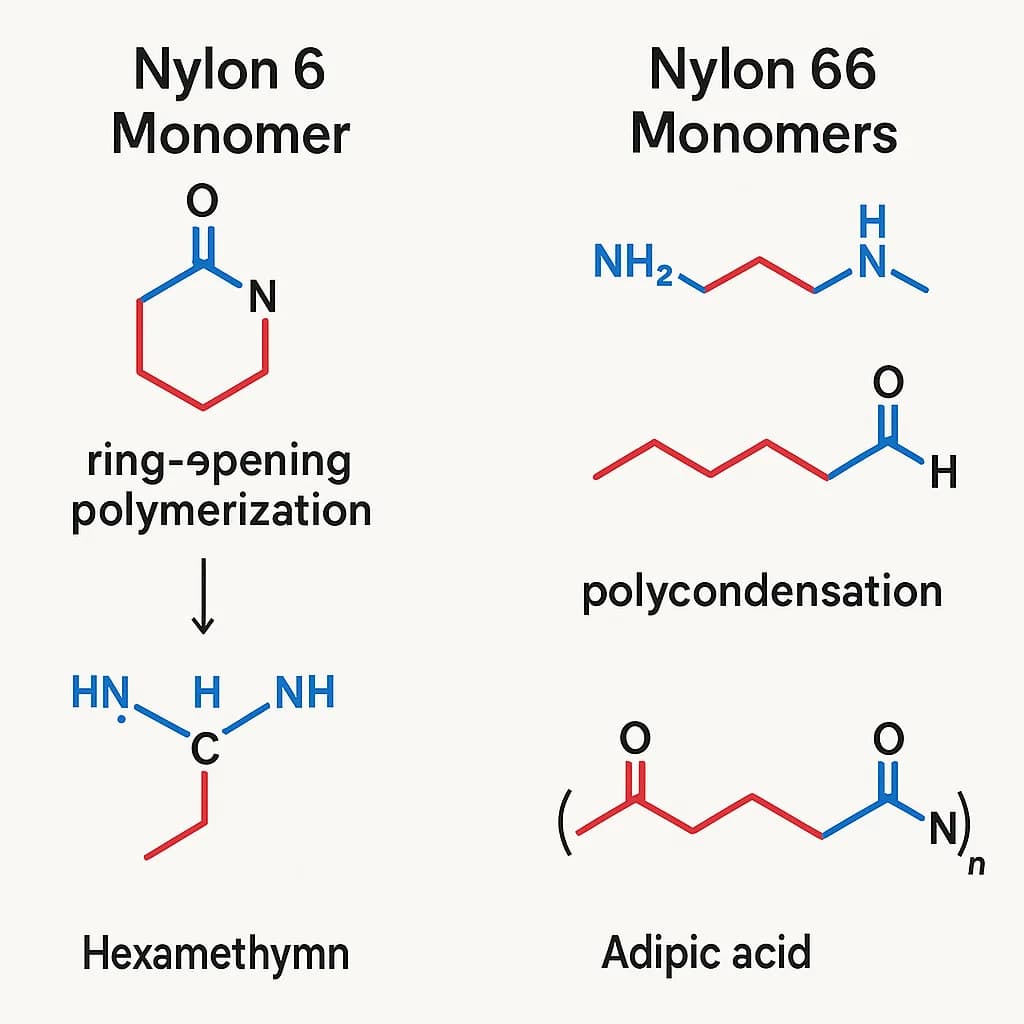
    Nylon (polyamide), as one of the most important engineering plastics in modern industry, has become a core material in automotive manufacturing, electrical and electronic applications, and textile industries due to its unique molecular structure and adjustable physicochemical properties. Among various nylon types, nylon 6 (PA6) and nylon 66 (PA66), the "twin brothers," account for about 70% of the market share. Their performance differences stem from subtle variations in molecular chain design, which also provides material scientists with abundant modification possibilities. From a molecular structure perspective, the essential difference between these two materials lies in monomer selection and polymerization methods. Nylon 6 is prepared through ring-opening polymerization of caprolactam monomers, with amide groups (-NH-CO-) regularly spaced every five carbon atoms in its molecular chain, giving the chains moderate flexibility. In contrast, nylon 66 is produced by polycondensation of hexamethylenediamine and adipic acid, forming alternately arranged amide groups with four carbon atoms between each. This more regular arrangement results in higher crystallinity. These microscopic structural differences directly manifest in macroscopic properties: nylon 66 has a melting point of about 260°C, approximately 40°C higher than nylon 6; its tensile strength reaches 80MPa, about 15% higher than nylon 6. However, high crystallinity is a double-edged sword. While nylon 66 boasts better heat resistance and mechanical strength, its water absorption (about 2.5%) is significantly higher than nylon 6 (about 1.6%). This occurs because the orderly molecular chains are tightly packed in crystalline regions, while the polar amide groups in amorphous regions more readily absorb water molecules. Water absorption can lead to dimensional changes (nylon 66's water absorption expansion rate can reach 0.6%), which requires special attention in precision component applications. To address this issue, engineers have developed various modification solutions: adding 30% glass fiber can reduce water absorption to below 1%; using nanoclay modification improves dimensional stability while maintaining transparency; the latest surface hydrophobic treatment technologies can control water absorption within 0.5%. In practical engineering applications, these two materials demonstrate distinct specializations. Nylon 66, with its excellent heat resistance, has become the material of choice for engine compartment components (such as intake manifolds and throttle valves), with long-term service temperatures reaching 180°C. Nylon 6, with its better toughness and processing fluidity, is widely used in manufacturing transmission gears, power tool housings, and other parts requiring impact resistance. Regarding processing techniques, nylon 6's melting temperature (220-240°C) is significantly lower than nylon 66's (260-290°C), which not only reduces energy consumption but also shortens molding cycles, making it particularly suitable for producing complex thin-walled products. A typical example is food packaging film, where nylon 6 can be blow-molded below 200°C while maintaining excellent oxygen barrier properties. With increasingly stringent environmental regulations, the sustainable development of nylon materials has become an industry focus. Bio-based nylons (such as PA56 made from castor oil) reduce carbon emissions by 30% compared to conventional nylons; chemical recycling technologies can depolymerize nylon 6 from waste fishing nets and carpets back into caprolactam monomers, achieving closed-loop recycling. Notably, in the electric vehicle era, nylon 66 has found new applications in battery module supports and charging interfaces due to its excellent thermal stability. In the future, through the combination of molecular structure design and composite modification technologies, the nylon family will continue to expand its applications in lightweight, high-temperature resistance, and sustainability.
    Read More
  • PA6 vs PA66: How to Choose the Most Suitable Nylon Pellets?
    PA6 vs PA66: How to Choose the Most Suitable Nylon Pellets?
    Jun 12, 2025
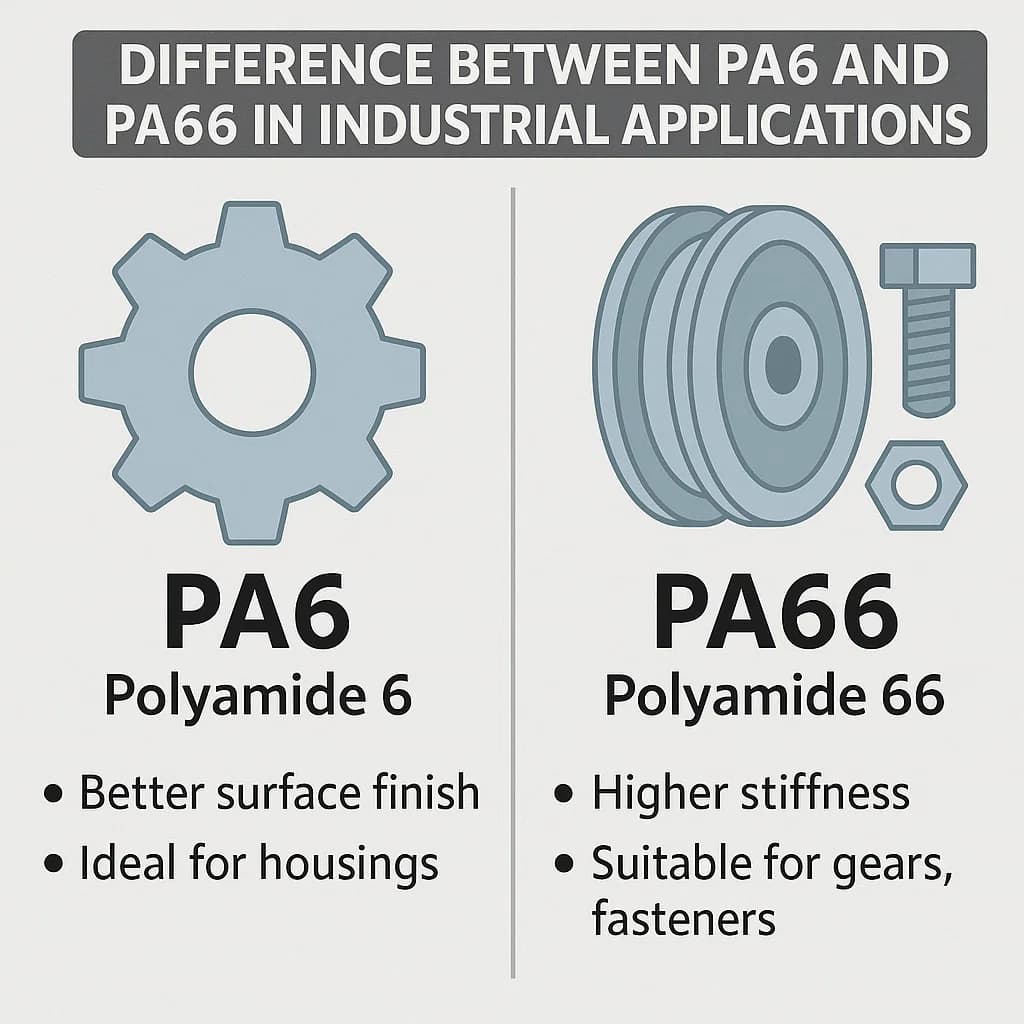
    Nylon materials, as a crucial category of engineering plastics, find applications in nearly every aspect of modern industry. Among the various types of nylon, PA6 and PA66, often referred to as "twin siblings," exhibit vastly different performance profiles despite differing by just one methylene unit in their molecular structures. This microscopic distinction directly dictates their macroscopic applications. At the molecular level, PA66's more orderly molecular arrangement and higher crystallinity grant it inherent advantages in mechanical strength and thermal performance. These structural characteristics result in PA66 typically offering 15-20% higher tensile strength than PA6, along with significantly superior modulus retention in high-temperature environments. Components demanding strict dimensional stability, such as heat-resistant clips in automotive engine compartments or electrical connectors, often rely on PA66, where its 260°C melting point serves as a critical benchmark for high-temperature applications.   However, material superiority is always relative. While PA6 may lag in absolute strength, the flexibility of its molecular chains grants it unique advantages. Under cyclic stress, PA6 demonstrates superior fatigue resistance and impact toughness, making it the material of choice for dynamic applications such as sports equipment or folding components. A classic example is bicycle chain guides, which endure tens of thousands of impact cycles—PA6's molecular structure effectively disperses stress through localized deformation, preventing brittle fractures. Notably, PA6 also boasts a processing window approximately 15-20°C wider than PA66, a significant advantage when molding complex thin-walled parts. For components with intricate snap-fit structures or unconventional geometries, PA6's more forgiving processing range substantially reduces defect rates.   Moisture absorption remains an unavoidable limitation of nylon materials, yet PA6 and PA66 exhibit intriguing differences in this regard. Although both are polar materials, PA6's saturated water absorption can reach 3.5%, nearly 1 percentage point higher than PA66. This characteristic leads to distinct performance outcomes in humid environments. For instance, a medical device manufacturer observed that sterilization caused PA6 housings to experience 0.8% dimensional change, whereas switching to PA66 reduced this figure to 0.5%. Interestingly, in certain specialized applications, PA6's moisture absorption becomes an advantage. Textile industry components like nylon shuttles benefit from moderate moisture uptake, which helps mitigate static buildup and improves weaving efficiency.   Cost considerations invariably influence material selection. At the monomer level, caprolactam (the raw material for PA6) is approximately 20% cheaper than adipic acid and hexamethylenediamine (the precursors for PA66), a price difference that carries over to the pellet stage. However, astute engineers evaluate costs from a lifecycle perspective. For example, while a PA66 intake manifold may cost 30% more than a PA6 alternative, its extended service life and lower failure rates can reduce total ownership costs by 15%. Such trade-offs become particularly critical in mass production, often necessitating precise cost modeling for quantitative assessment.   Advances in materials science are blurring traditional performance boundaries. Through modifications like glass fiber reinforcement or mineral filling, PA6 can achieve mechanical strength approaching that of unmodified PA66, while PA66 can gain impact resistance comparable to PA6 through elastomer additives. Cutting-edge nanocomposite technologies have even yielded "hybrid" materials. These innovations transform material selection from a binary choice into a multidimensional performance-matching exercise tailored to specific applications. Driven by sustainability initiatives, eco-friendly variants such as bio-based PA66 and recycled PA6 are gradually entering mainstream supply chains, adding yet another dimension to material decision-making.
    Read More
  • Unlocking the Potential of PA12 Powder in 3D Printing
    May 30, 2025
    In the rapidly expanding field of additive manufacturing, the selection of materials plays a crucial role in determining the performance and quality of the final product. Among various available materials, PA12 powder (Polyamide 12) has garnered significant attention due to its versatility and reliability. This thermoplastic polymer is highly esteemed for its exceptional mechanical properties, chemical resistance, and long-term durability, making it an ideal choice for industrial 3D printing applications.    PA12 powder is predominantly utilized in Powder Bed Fusion (PBF) techniques, such as Selective Laser Sintering (SLS) and Multi Jet Fusion (MJF). These processes involve the precise fusion of thin layers of powder using a laser or heat source to construct complex components layer by layer. The inherent properties of PA12 enable the production of parts with accurate dimensions, smooth surfaces, and consistent mechanical strength. Furthermore, its low water absorption rate and excellent resistance to oils, fuels, and solvents render it particularly suitable for demanding environments.    Within the context of 3D printing, PA12 powder finds extensive application across multiple industries, including automotive, aerospace, medical, and consumer goods. It is employed in the fabrication of functional prototypes, customized medical devices such as orthotics and prosthetics, lightweight structural components for vehicles, and durable end-use parts. Engineers value PA12 not only for its strength and rigidity but also for its ability to produce intricate geometries without compromising toughness.     As additive manufacturing continues to evolve, PA12 powder remains a cornerstone material due to its versatility and superior performance. It facilitates both rapid prototyping and small-scale production seamlessly, enabling companies to shorten development cycles while maintaining high product quality. Its contribution to advancing modern manufacturing practices is evident, and its potential for future innovation remains vast.    PA12 powder transcends its role as merely a material—it serves as a bridge connecting creative design with practical implementation. For enterprises seeking efficient and high-quality 3D printing solutions, PA12 provides a dependable and forward-thinking option that meets both technical and commercial requirements.
    Read More
  • Glass Fiber Reinforced Nylon PA6 GF30 Plastic Granules: A High-Performance Material for Demanding Applications
    Jan 17, 2025
        In the world of advanced manufacturing, the demand for durable, high-performance materials is constantly increasing. One such material is Glass Fiber Reinforced Nylon PA6 GF30. This 30% glass fiber-reinforced nylon 6 material is engineered to provide superior strength, exceptional impact resistance, and excellent dimensional stability. Its unique properties make it a perfect choice for precision molding in various industrial applications, where reliability and durability are key.     The PA6 GF30 plastic granules offer a combination of high mechanical strength and excellent heat resistance, allowing them to perform well under extreme temperatures. Whether it’s used for automotive components, electrical appliances, or industrial machinery, this material ensures long-lasting performance, even in the most challenging environments. Additionally, it excels in electrical insulation, making it an excellent choice for applications requiring reliable and safe performance.     What sets Glass Fiber Reinforced PA6 apart is its adaptability. Available for customization, this material can be tailored to meet the specific needs of any project. Whether you need to adjust for color, texture, or special performance characteristics, the flexibility of this plastic ensures it can meet your unique requirements. With factory-direct supply, you can be assured of cost-effectiveness and timely delivery, making it an ideal solution for manufacturers worldwide.     In summary, Glass Fiber Reinforced Nylon PA6 GF30 is a versatile, high-strength material that excels in demanding applications. With its superior mechanical properties, heat resistance, and electrical insulation, it stands out as the material of choice for industries requiring top-quality performance. Whether for automotive, electronics, or industrial use, this material ensures precision and durability for your products, while its customization options make it adaptable to a wide range of needs. Get in touch with us today to explore how our PA6 GF30 granules can elevate your manufacturing process!  
    Read More
1 2 3 4 5 6 7
A total of7pages

Leave a Message

Leave a Message
If you are interested in our products and want to know more details,please leave a message here,we will reply you as soon as we can.
submit

Home

Products

WhatsApp

contact