Our company

Blog

Home

Blog

  • Is Higher Glass Fiber Content Always Better? An Analysis of Mold Life Issues Caused by Over-Reinforcement Section2
    Is Higher Glass Fiber Content Always Better? An Analysis of Mold Life Issues Caused by Over-Reinforcement Section2
    Jan 29, 2026
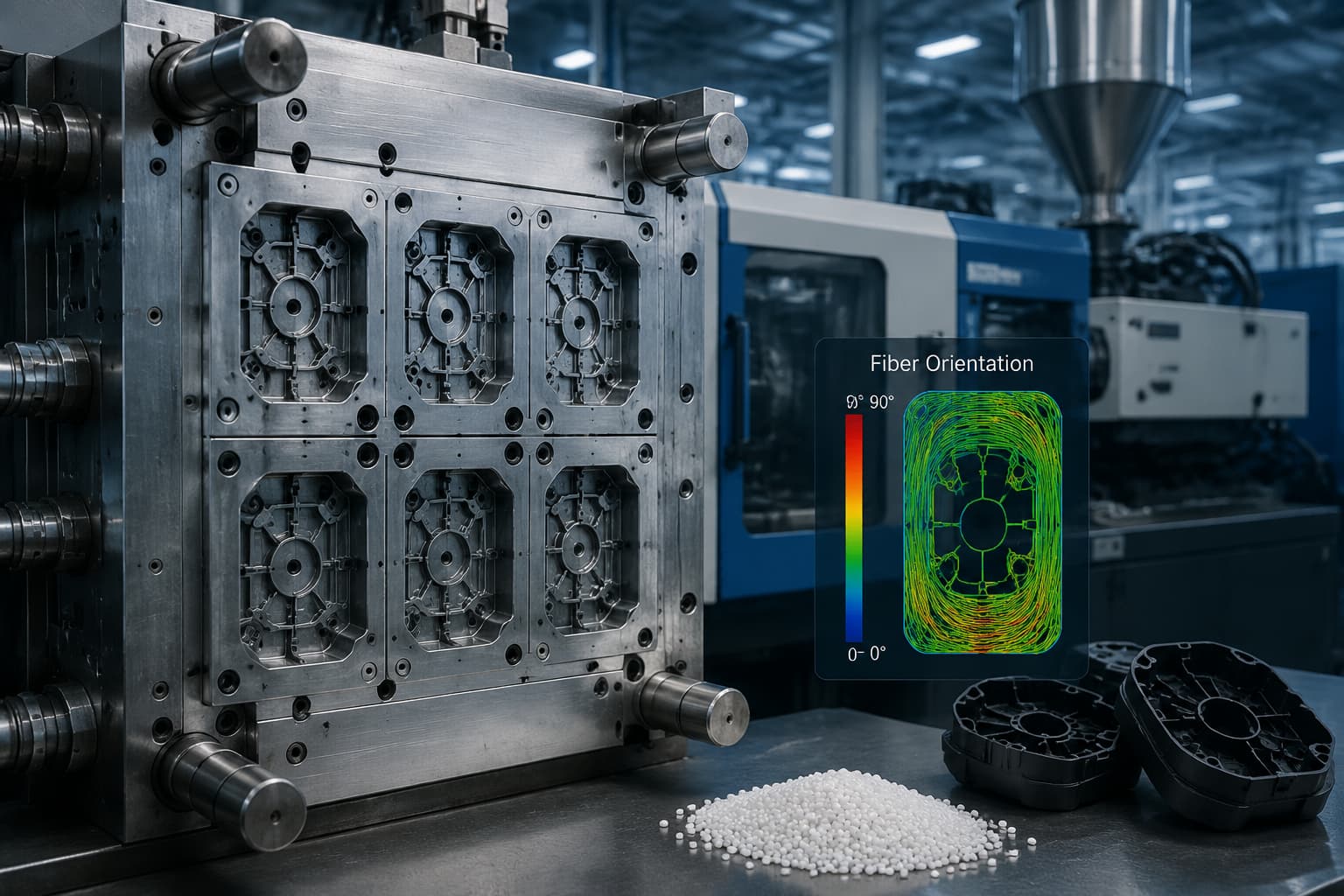
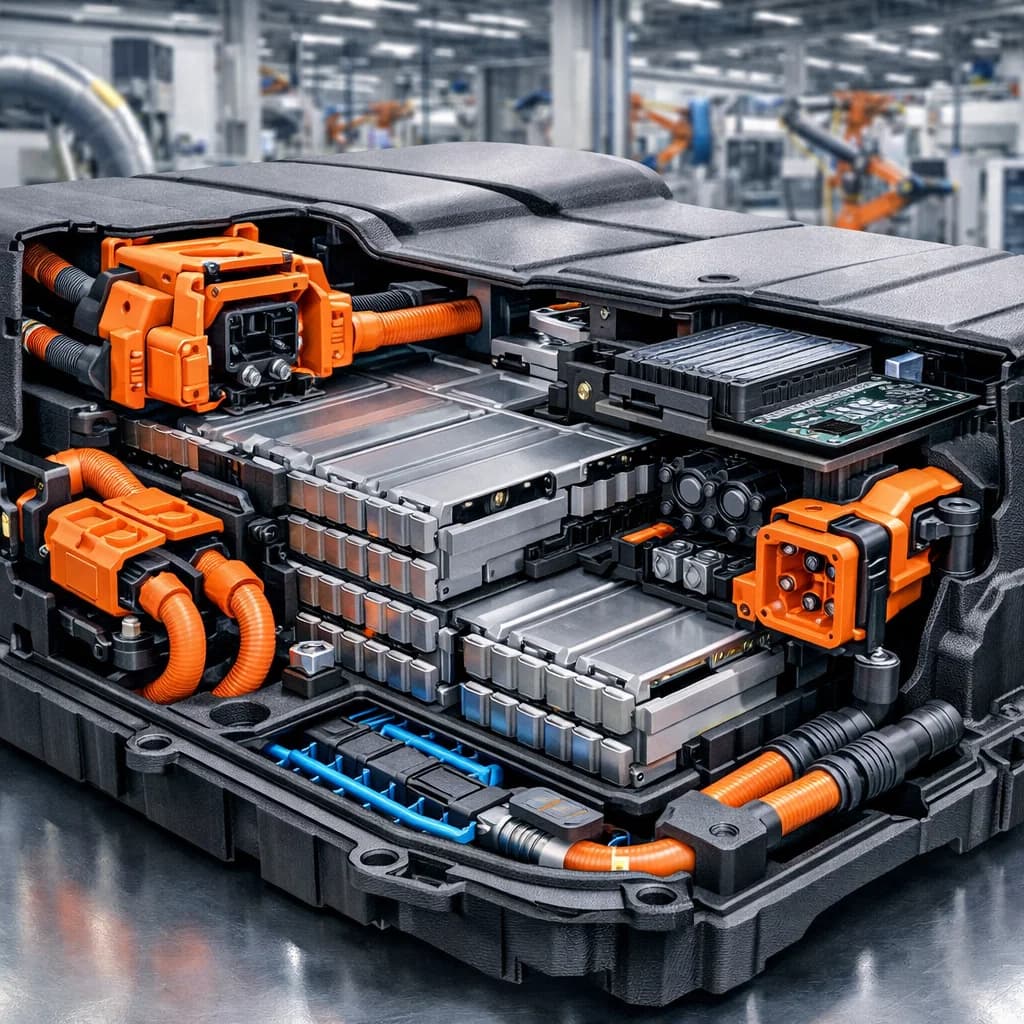
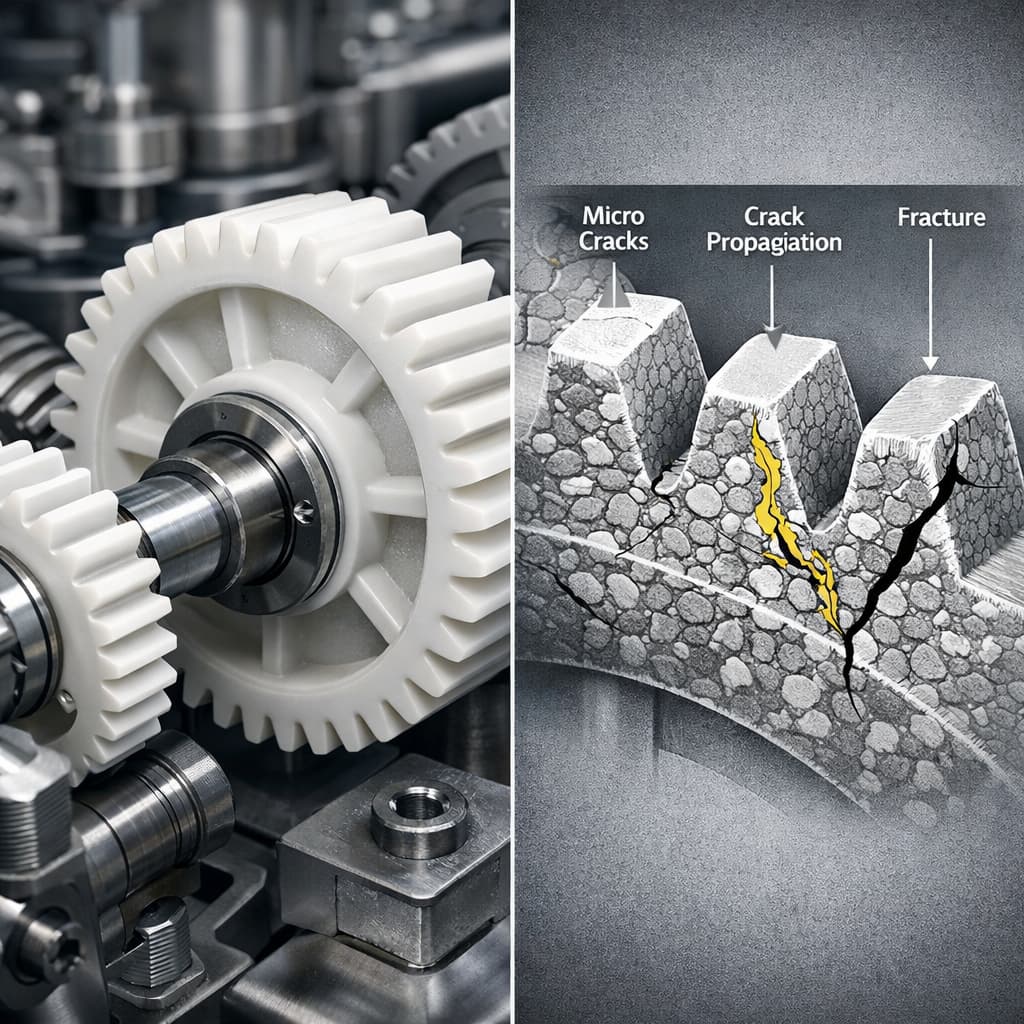
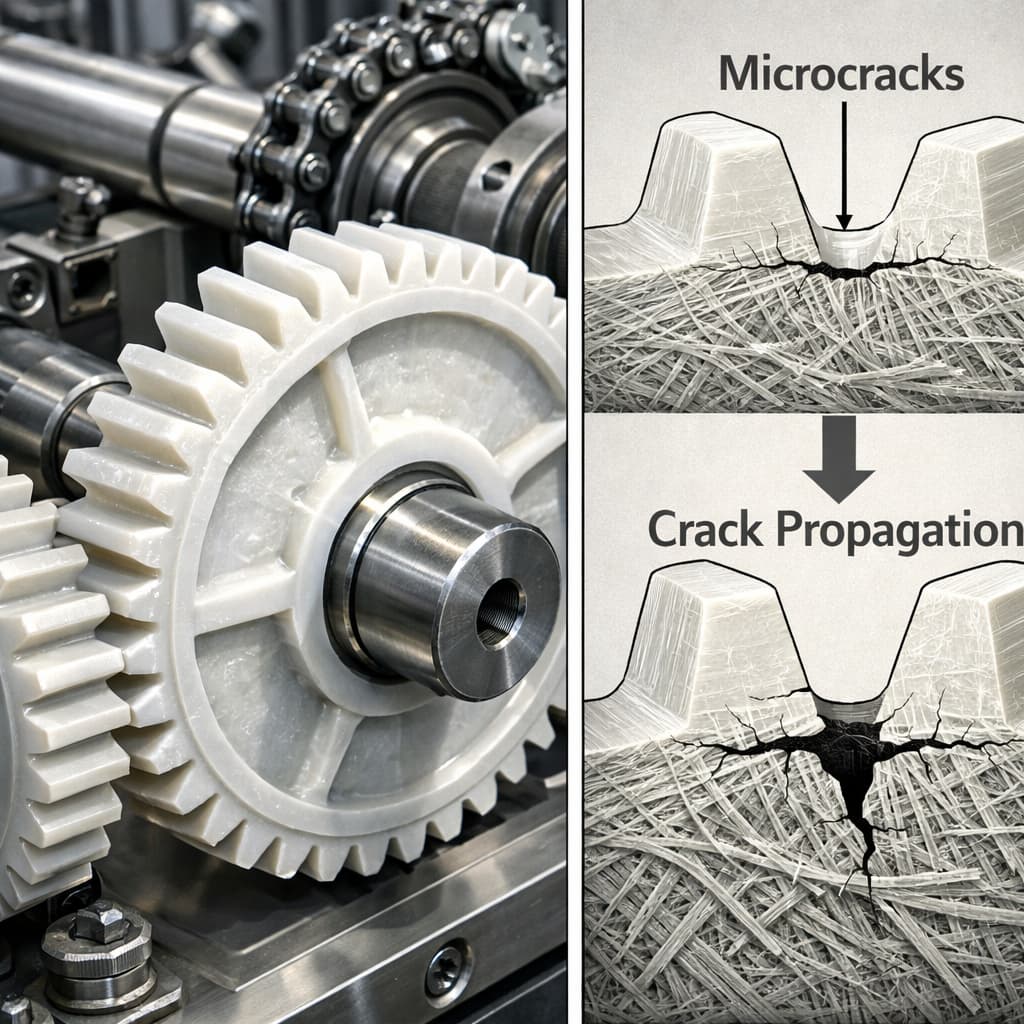
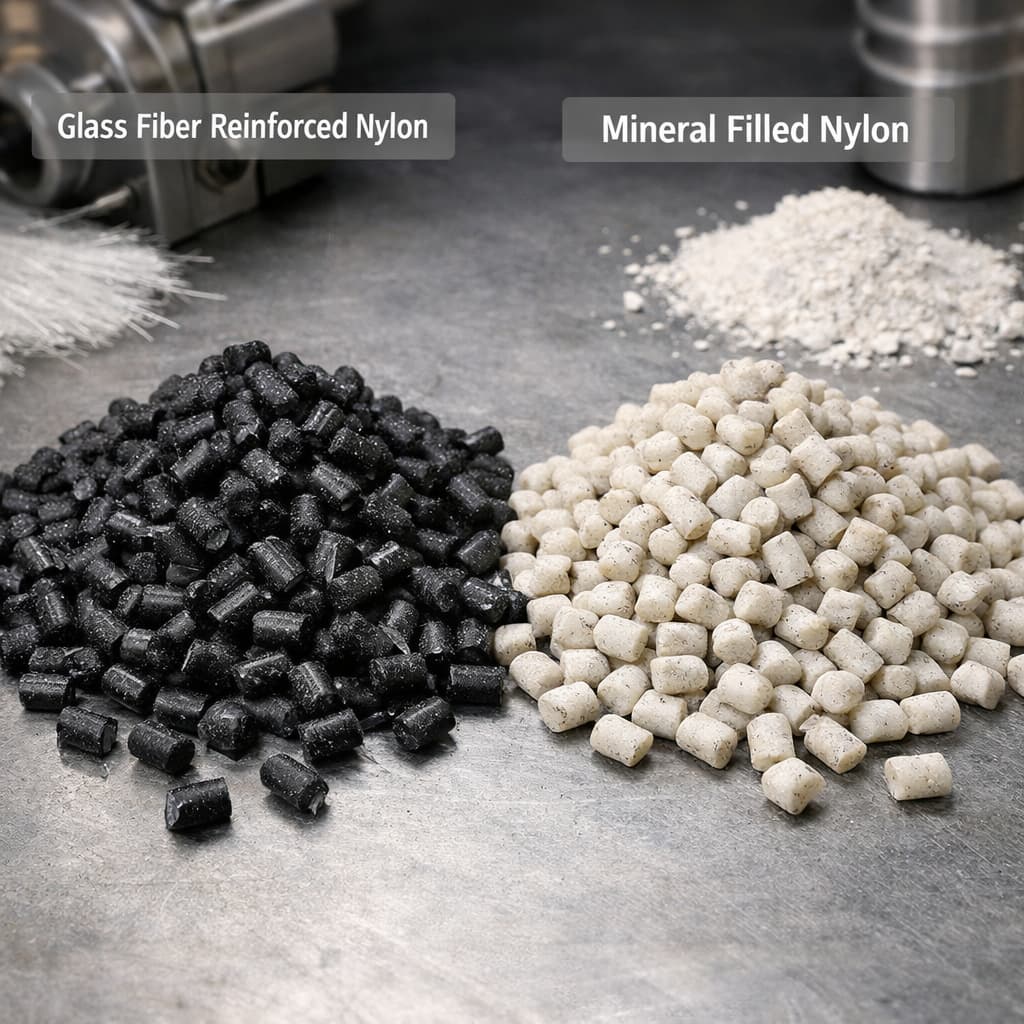
    Processing data indicate that, under identical tooling and processing conditions, PA66 GF40 exhibits a mold wear rate 1.6–1.8 times higher than GF30, particularly in high-flow regions. Additionally, high glass fiber systems demand higher injection pressure and speed, further intensifying abrasive effects. Beyond mechanical abrasion, excessive reinforcement also accelerates thermal fatigue of molds. Reduced thermal uniformity causes larger temperature gradients per molding cycle, increasing micro-crack initiation risks, especially in standard H13 or P20 tool steels. Industrial experience shows that many failures originate not from insufficient material strength, but from over-reliance on high glass fiber content. In one connector application, increasing fiber content from GF35 to GF50 reduced mold life from an expected 800,000 cycles to less than 300,000 cycles, increasing hidden manufacturing costs by over 20%. Ultimately, glass fiber content selection is a balance between structural performance, processing stability, and manufacturing economics rather than a pursuit of maximum reinforcement.
    Read More
  • Is Higher Glass Fiber Content Always Better? An Analysis of Mold Life Issues Caused by Over-Reinforcement Section1
    Is Higher Glass Fiber Content Always Better? An Analysis of Mold Life Issues Caused by Over-Reinforcement Section1
    Jan 29, 2026
    In engineering plastic selection, glass fiber reinforced nylon is often equated with higher strength, lower deformation, and improved reliability. During early project stages, design teams frequently assume that increasing glass fiber content is a straightforward solution: if GF30 is insufficient, then GF40 or even higher grades are considered. However, real manufacturing experience increasingly shows that excessive reinforcement introduces underestimated systemic risks, particularly related to mold wear, processing instability, and long-term production cost escalation. In an automotive electronic housing project, PA66 GF30 was initially selected. Due to deformation risks under high-temperature vibration, the glass fiber content was increased to GF40. While flexural modulus improved by approximately 25% and thermal expansion was further reduced, severe mold wear appeared within six months of mass production. Gate and cavity surfaces degraded rapidly, leading to surface defects and premature mold refurbishment, ultimately delaying delivery schedules. From a material mechanics perspective, glass fiber does not provide linear benefits beyond certain thresholds. As fiber content exceeds 30–40%, fiber-to-fiber interaction increases significantly. During high-shear injection molding, insufficiently resin-coated fiber ends repeatedly contact mold steel surfaces, producing a micro-cutting wear mechanism. This wear accumulates progressively and concentrates in gates, runners, and thin-wall regions.
    Read More

  • Why Does PA66 Fail More Easily Than PPA in Certain High-Temperature Electrical Applications? Section2
    Why Does PA66 Fail More Easily Than PPA in Certain High-Temperature Electrical Applications? Section2
    Jan 21, 2026
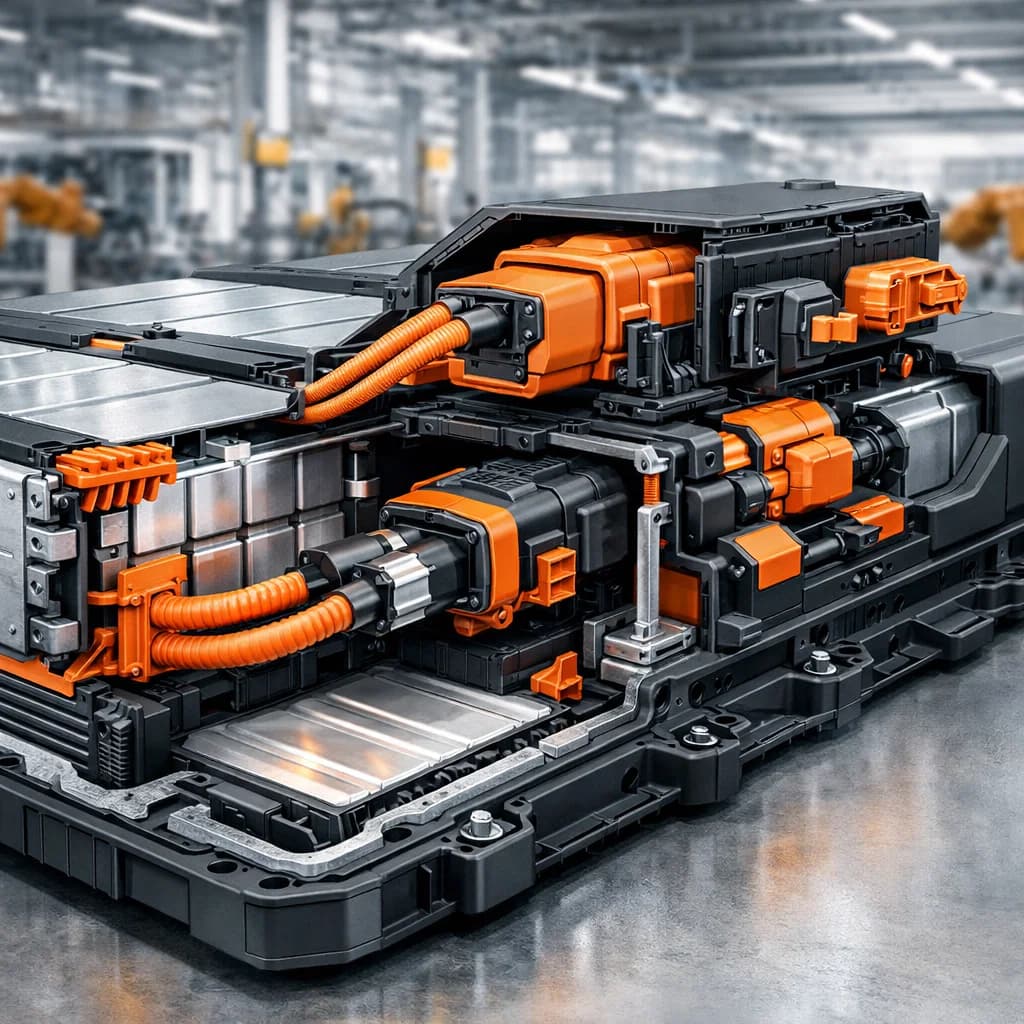
    Moisture absorption is another factor that is frequently underestimated. Even in glass fiber reinforced or flame-retardant grades, PA66 retains a higher equilibrium moisture content than semi-aromatic polyamides. In electrical environments, absorbed moisture does more than cause dimensional change; under an electric field, it contributes to conductive path formation, accelerating the decline in volume resistivity. This explains why PA66 components may perform well in dry-state testing but approach critical limits after hydrothermal aging. PPA behaves differently due to its semi-aromatic molecular structure. The introduction of aromatic rings restricts chain mobility and stabilizes the polymer network at elevated temperatures. As a result, PPA generally exhibits more stable electrical properties during long-term thermal exposure. Its lower moisture absorption further slows performance degradation in humid conditions. Engineering test data reflects this trend. After 1000 hours of aging at 150°C, glass fiber reinforced PA66 often shows a pronounced drop in volume resistivity, sometimes exceeding one order of magnitude. Under comparable reinforcement conditions, PPA compounds typically exhibit more moderate and controllable degradation. Similar tendencies can be observed in CTI performance. This does not imply that PA66 is unsuitable for high-temperature electrical applications. The challenge lies in correctly defining its application limits. When long-term thermal exposure, electrical stress, and high reliability requirements coexist, the safety margin of PA66 becomes narrower. The advantage of PPA lies not in peak performance values, but in its stability over the entire service life.
    Read More
  • Why Does PA66 Fail More Easily Than PPA in Certain High-Temperature Electrical Applications? Section1
    Why Does PA66 Fail More Easily Than PPA in Certain High-Temperature Electrical Applications? Section1
    Jan 21, 2026
    In high-temperature electrical applications, PA66 has long been regarded as a safe and familiar choice. In many automotive and industrial electrical systems, it is often included in the initial material shortlist simply because its performance range, processing behavior, and supply stability are well understood. This familiarity provides a sense of confidence during early project stages. However, in real-world applications, some failures only become evident after months or years of operation, rather than during prototype validation. In new energy electrical systems, this issue is particularly noticeable. Components may pass qualification tests and initial thermal evaluations without difficulty, yet gradually exhibit insulation degradation, increased leakage risk, or even localized carbonization during long-term service. These failures rarely originate from a single cause; instead, they result from the combined effects of thermal stress, electric fields, and environmental humidity. From an application standpoint, high-temperature electrical components are continuously exposed to multiple stress factors. In electric control modules, operating temperatures of 130–150°C are common, accompanied by thermal cycling and fluctuating humidity. Under such conditions, short-term laboratory data often fails to predict long-term material behavior. The molecular structure of PA66 helps explain this phenomenon. As an aliphatic polyamide, PA66 consists mainly of methylene segments with relatively dispersed amide groups. While this structure provides good toughness and processing flexibility under normal conditions, elevated temperatures significantly increase molecular mobility. As free volume increases, polar group migration becomes easier, which gradually compromises electrical insulation performance.
    Read More
  • International Trends in Flame Retardant Standards: Analysis of UL 94 and IEC 60695 Impact on Nylon Materials
    International Trends in Flame Retardant Standards: Analysis of UL 94 and IEC 60695 Impact on Nylon Materials
    Jan 14, 2026
              The landscape of fire safety for engineering plastics is rapidly shifting, driven by updates to UL 94 and IEC 60695 standards. While UL 94 remains the benchmark for vertical flammability classification, the emphasis on Glow Wire Ignition Temperature (GWIT) under IEC 60695 reflects a growing concern for localized overheating in electronics. For modified nylon, achieving a V-0 rating is no longer sufficient for components used in unattended appliances. Manufacturers must now optimize formulations for higher thermal stability and resistance to carbon tracking. The transition toward halogen-free flame retardants (HFFR) is accelerating, as these materials offer a superior balance between low smoke toxicity and high Relative Tracking Index (CTI), essential for modern high-voltage connectors and power distribution systems.
    Read More
  • Safety Requirements for Modified Nylon in Food Machinery: An Analysis of FDA and LFGB Standards
    Safety Requirements for Modified Nylon in Food Machinery: An Analysis of FDA and LFGB Standards
    Jan 14, 2026
    The utilization of modified nylon in food processing machinery is dictated by a complex landscape of international safety regulations, primarily centered on preventing chemical migration into food matrices. Modified polyamides, enriched with glass fibers or stabilizers, must ensure that their functional additives do not leach under thermal or mechanical stress. The U.S. FDA framework, particularly 21 CFR 177.1500, sets rigorous thresholds for extractable fractions in specific solvents, emphasizing the purity of monomers and the safety of catalysts used during polymerization. For high-performance food machinery, compliance signifies that the material's structural integrity and chemical stability remain uncompromised throughout its operational lifespan, ensuring that no unapproved substances enter the consumer's diet. Conversely, the German LFGB standard adopts a more holistic approach, focusing on sensory neutrality and overall migration limits (OML). Under the BfR recommendations, nylon components must not alter the organoleptic properties of food. This is particularly critical for modified nylons containing internal lubricants or impact modifiers. LFGB testing protocols often employ more aggressive food simulants to mirror real-world conditions in industrial kitchens and production lines. The focus on specific migration limits (SML) for caprolactam and other residual chemicals ensures a higher safety margin. For global manufacturers, harmonizing FDA and LFGB requirements is essential, necessitating a sophisticated selection of additives that are both technically effective and toxicologically inert, thereby safeguarding public health across diverse regulatory jurisdictions.    
    Read More
  • Factors Affecting the Flowability of Nylon Powder in Additive Manufacturing: An Analysis of Morphology, Particle Size and Moisture Content
    Factors Affecting the Flowability of Nylon Powder in Additive Manufacturing: An Analysis of Morphology, Particle Size and Moisture Content
    Jan 07, 2026
    In powder bed fusion additive manufacturing technologies, such as selective laser sintering, the flowability of polyamide powders is a critical factor determining process stability and part quality. Unlike injection molding pellets, powders are continuously subjected to spreading, recycling, and repeated thermal exposure, making their flow behavior especially sensitive. Particle morphology plays a decisive role in powder flowability. Near-spherical particles exhibit reduced interparticle friction and allow for uniform powder layers during recoating. Irregular shapes or satellite particles increase mechanical interlocking, leading to poor layer homogeneity and local defects during printing. Particle size distribution is equally important. Fine powders offer higher resolution but suffer from increased cohesion due to van der Waals forces and electrostatic interactions. Coarse powders, on the other hand, compromise layer density. Industrial polyamide powders are therefore engineered with narrow distributions, typically centered around 50–70 micrometers. Moisture content represents a less visible yet highly influential parameter. Polyamides are hygroscopic materials, and even trace amounts of absorbed moisture can form liquid bridges between particles, drastically reducing flowability. This phenomenon is often responsible for unexpected process instability in production environments. Insufficient powder flowability affects not only powder spreading but also energy absorption, sintering density, and dimensional accuracy. As a result, strict drying protocols, sealed storage systems, and moisture monitoring are standard practices in industrial additive manufacturing. Surface treatments and flow additives are sometimes employed to further enhance powder performance. Additionally, powder aging through repeated reuse alters surface morphology and thermal behavior, necessitating controlled mixing ratios of virgin and recycled powder. Understanding and managing these variables is essential for achieving consistent and high-quality additive manufacturing outcomes.
    Read More
  • Enhancing Barrier Properties of Nylon via Nanofillers: An Analysis of the Latest Material Systems
    Enhancing Barrier Properties of Nylon via Nanofillers: An Analysis of the Latest Material Systems
    Jan 07, 2026
    Polyamide materials are widely used in engineering applications due to their excellent mechanical strength, wear resistance, and processability. However, their intrinsic permeability to gases and small molecules remains a limiting factor in demanding applications. As industries such as automotive lightweighting, food packaging, chemical fluid transport, and energy systems increasingly require enhanced barrier performance, conventional approaches such as increasing wall thickness or crystallinity are no longer sufficient. At the molecular level, gas permeation in polyamides is primarily governed by the free volume within the amorphous regions and the mobility of polymer chain segments. The incorporation of nanofillers fundamentally alters the diffusion mechanism by introducing a tortuous pathway. High–aspect ratio nanofillers force permeating molecules to follow longer and more complex diffusion routes, significantly reducing permeability through the so-called labyrinth effect. Among the most established systems, organically modified nanoclays remain widely studied and industrially applied. When properly exfoliated or intercalated within the polyamide matrix, layered silicates can reduce oxygen and water vapor transmission rates by more than 30% at low loading levels, without severely compromising toughness. Achieving uniform nanoscale dispersion is critical to realizing these benefits. Graphene and graphene-based fillers have emerged as advanced solutions for high-performance barrier polyamides. Due to their near-impermeable planar structure, even minimal additions can dramatically enhance barrier properties when aligned parallel to the surface. Nevertheless, challenges related to dispersion stability and interfacial compatibility remain key obstacles for large-scale implementation. Nanofibrous fillers, including cellulose nanofibers and aramid nanofibers, represent another promising route. In addition to extending diffusion paths, these fillers restrict polymer chain mobility through strong interfacial interactions, further reducing free volume. This synergistic mechanism is particularly attractive for bio-based and sustainable polyamide systems. Modern barrier polyamide design increasingly focuses on low filler loadings combined with multi-scale structural control. By integrating nanofillers with crystallization modifiers, chain extenders, or multilayer processing techniques, manufacturers can balance barrier efficiency, mechanical integrity, and processability. Such approaches are expected to define the future development of nanocomposite barrier polyamides.
    Read More
  • Application of High-CTI Nylon in 5G Communication Equipment: Analysis of Leakage Resistance and High-Frequency Stability
    Application of High-CTI Nylon in 5G Communication Equipment: Analysis of Leakage Resistance and High-Frequency Stability
    Dec 31, 2025
    With the rapid deployment of 5G communication technology, significant changes have occurred in operating frequency, power density, and structural integration of communication equipment. Compared with previous generations, 5G devices must support higher data rates and lower latency while integrating multiple antennas, high-frequency circuits, and thermal management systems within increasingly compact spaces. Under these conditions, the electrical stability of materials has become a critical factor in overall system reliability, driving growing interest in high-CTI nylon materials. In communication equipment, CTI (Comparative Tracking Index) is a key indicator used to evaluate the resistance of insulating materials to surface tracking and electrical leakage under humid or contaminated conditions. As power density and voltage gradients increase in 5G systems, insufficient surface insulation performance may lead to arcing, carbonized tracking paths, and eventual electrical failure during long-term operation. High-CTI nylon materials provide enhanced safety margins through targeted molecular and formulation design. From a material mechanism perspective, high-CTI nylon typically reduces surface polarity, optimizes filler systems, and minimizes ionic impurities to suppress the formation of conductive tracking paths. Compared with conventional reinforced nylons, these materials maintain insulation integrity for extended periods even under moisture and pollution exposure. This characteristic is particularly critical for outdoor base stations, power supply modules, and high-density connectors. In high-frequency applications, dielectric properties are equally important. High-frequency signals are sensitive to variations in dielectric constant and dielectric loss, which can result in signal attenuation, crosstalk, or phase distortion. High-CTI nylon achieves stable dielectric behavior by optimizing polymer matrix structure and filler dispersion while maintaining superior tracking resistance, ensuring consistent signal performance in antennas, RF module housings, and precision structural components. From a design perspective, high-CTI nylon offers additional advantages over metallic materials, including excellent electrical insulation, reduced weight, and enhanced design flexibility. Its dimensional stability and surface quality in injection molding processes support complex geometries and high-precision assemblies, minimizing the impact of manufacturing variations on electrical performance. Thermal stability is another critical factor, as 5G equipment often operates under continuous heat generation. Through heat-resistant modification and stabilization systems, high-CTI nylon retains its electrical and dielectric properties under long-term thermal aging, making it a reliable choice for power electronics housings and structural components near heat sources. Overall, high-CTI nylon has become an increasingly important alternative to conventional engineering plastics in 5G communication equipment. Its balanced performance in tracking resistance, high-frequency stability, processability, and cost efficiency supports both high-end applications and large-scale deployment. As 5G technology continues to evolve toward higher frequencies and integration levels, high-CTI nylon will play a critical role in ensuring long-term equipment reliability.
    Read More
  • Application Breakthroughs of Chemical-Resistant Nylon Materials in Industrial Fluid Systems
    Application Breakthroughs of Chemical-Resistant Nylon Materials in Industrial Fluid Systems
    Dec 31, 2025
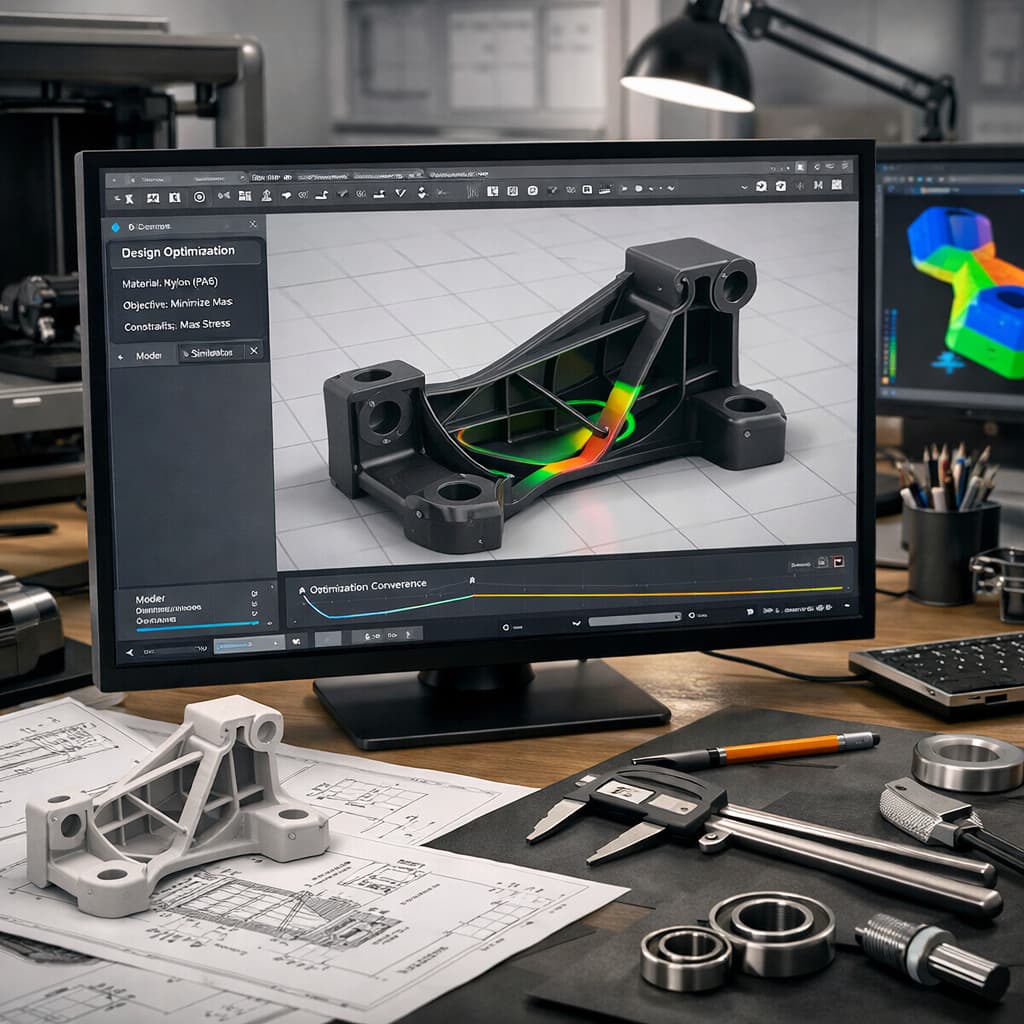
    In modern industrial systems, fluid handling systems play a critical role in transportation, metering, cooling, cleaning, and the transfer of chemical media. Their operational stability directly determines the safety, reliability, and service life of the entire equipment. As industries such as chemicals, semiconductors, pharmaceuticals, new energy, and advanced manufacturing impose increasingly stringent requirements on media purity, sealing integrity, and long-term reliability, traditional metallic materials and conventional engineering plastics are gradually revealing their limitations. Against this background, super chemical-resistant nylon materials have emerged as a key technological breakthrough for industrial fluid system applications. Industrial fluid systems are exposed to highly complex chemical environments, including strong acids, strong alkalis, alcohols, ketones, esters, organic solvents, and multi-component fluids containing salts and additives. Conventional nylon materials tend to suffer from hydrolysis, swelling, mechanical degradation, and even stress cracking under long-term exposure to such media, especially under elevated temperature and pressure. Super chemical-resistant nylon materials address these challenges through systematic optimization of molecular structure, crystallinity, and formulation design, significantly enhancing stability in aggressive chemical environments. From a structural perspective, these materials often adopt low-polarity or long-chain molecular architectures to reduce the concentration of amide groups, thereby minimizing affinity to water and polar solvents. The incorporation of chemically stable copolymer segments and end-group stabilization effectively suppresses molecular chain degradation caused by acidic or alkaline media. A highly controlled crystalline morphology further forms a dense internal structure that limits chemical permeation while maintaining mechanical toughness. In practical applications, super chemical-resistant nylon is widely used in fluid transport pipelines, quick connectors, valve bodies, pump housings, filtration components, and sensor housings. Compared with metals, these materials offer reduced weight and greater design freedom, enabling integrated structures that minimize sealing interfaces and leakage risks. Their corrosion resistance also prevents ion leaching and surface degradation, which is particularly critical in semiconductor and pharmaceutical industries where media purity is essential. For high-temperature fluid systems, long-term durability is a decisive factor. Through heat-resistant modification and stabilization systems, super chemical-resistant nylon maintains mechanical strength and dimensional accuracy under prolonged exposure to heat and aggressive chemicals. This performance makes it highly suitable for heat exchange systems, chemical circulation loops, and battery thermal management systems in new energy applications. Compared with traditional solutions, these materials significantly reduce maintenance frequency and extend system service life, resulting in superior life-cycle cost efficiency. With the growing demand for intelligent and modular industrial fluid systems, processability and consistency have become equally important. Super chemical-resistant nylon demonstrates a stable processing window in injection molding, extrusion, and secondary machining, supporting large-scale and reliable production. Its predictable performance allows engineers to conduct precise structural and lifetime simulations at early design stages, further enhancing system reliability. Overall, the application breakthrough of super chemical-resistant nylon represents not only an improvement in material performance but also an evolution in industrial fluid system design philosophy. Through the synergy of materials science, structural engineering, and system optimization, these advanced nylons are increasingly replacing traditional materials and establishing themselves as fundamental components in high-reliability industrial fluid systems.
    Read More
  • Weather Resistance Testing and UV Aging Model of Nylon Materials: How to Predict Outdoor Service Life?
    Weather Resistance Testing and UV Aging Model of Nylon Materials: How to Predict Outdoor Service Life?
    Dec 24, 2025
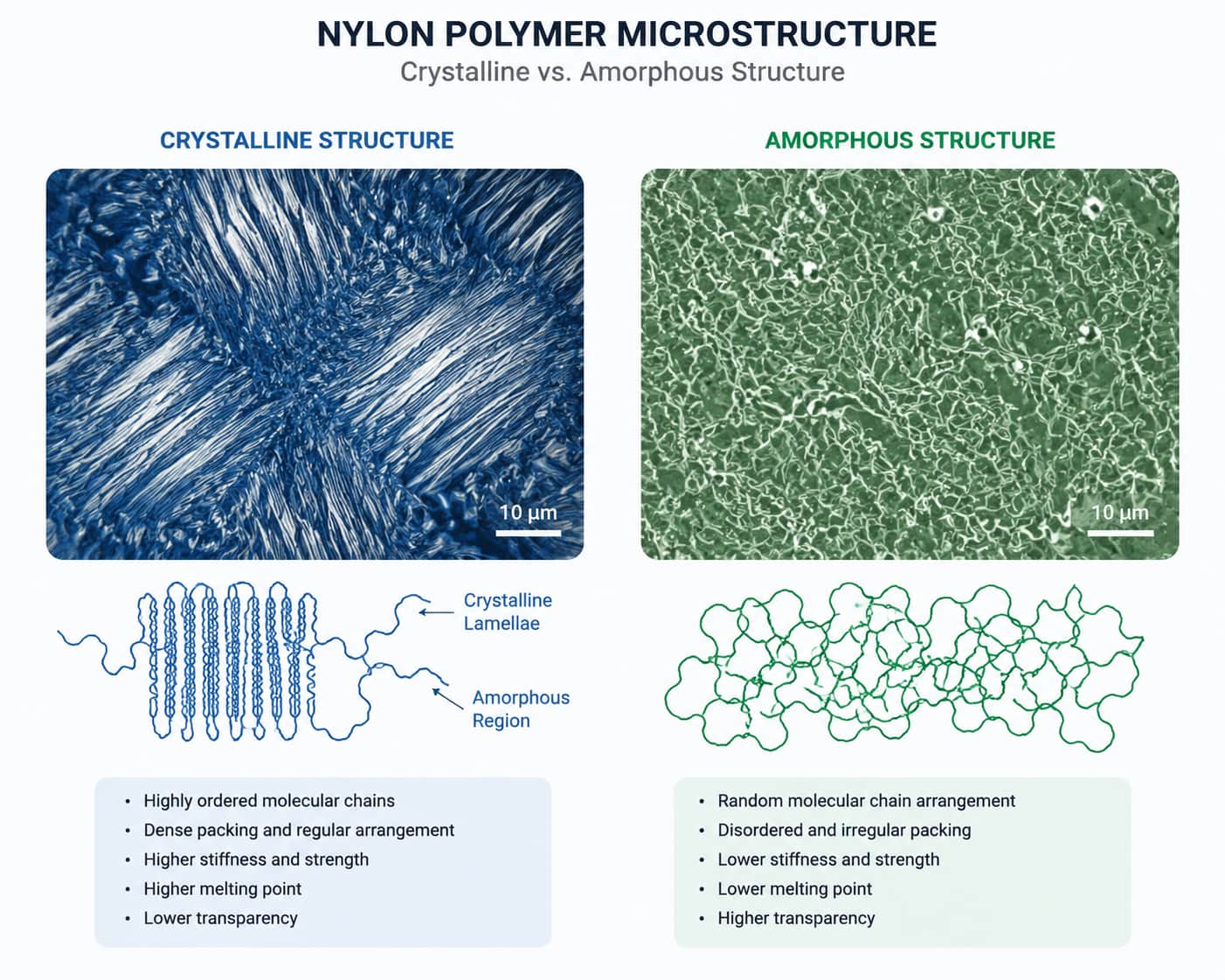
    Weather resistance is a critical performance requirement for nylon materials used in outdoor applications, where long-term exposure to ultraviolet radiation, temperature fluctuations, moisture, and oxygen can progressively degrade material properties. Unlike short-term mechanical testing, outdoor durability is governed by slow and cumulative degradation mechanisms. As a result, relying solely on natural exposure tests is often impractical for product development, making accelerated weathering tests and lifetime prediction models essential tools in polymer engineering. Ultraviolet radiation plays a dominant role in the aging of nylon materials. UV energy can break chemical bonds within the polymer backbone, particularly amide and carbon–carbon bonds, leading to chain scission, molecular weight reduction, and embrittlement. These changes are commonly observed as discoloration, surface chalking, and a significant decrease in impact resistance. Different nylon types exhibit varying sensitivity to UV exposure. For example, PA6 and PA66 generally degrade faster than PA12 or PA612, which benefit from lower moisture absorption and more flexible molecular structures. To evaluate these effects within a practical timeframe, laboratory-scale accelerated weathering tests are widely used. Xenon arc testing simulates the full solar spectrum and is well suited for assessing color stability and overall property retention, while fluorescent UV testing intensifies specific UV wavelengths to accelerate degradation for comparative studies. These tests are often combined with condensation or water spray cycles to replicate humidity and thermal variations, which are particularly relevant for moisture-sensitive materials such as nylon. Accelerated aging data alone cannot be directly translated into real-world service life. Instead, it serves as the foundation for aging models that describe the relationship between exposure time and property degradation. Engineers commonly analyze retention curves of tensile strength, elongation at break, or impact resistance to estimate functional lifetime. In more advanced approaches, Arrhenius-based models incorporate temperature dependence into degradation kinetics, improving the reliability of long-term predictions. Additive systems play a crucial role in enhancing weather resistance. UV absorbers and hindered amine light stabilizers can significantly slow photodegradation, while carbon black and certain mineral fillers provide physical shielding against UV radiation. In fiber-reinforced nylons, although the fibers themselves are not affected by UV exposure, degradation of the polymer–fiber interface can lead to rapid mechanical property loss. Therefore, evaluating the outdoor durability of reinforced nylons requires a holistic assessment of the composite system rather than the base resin alone. In conclusion, predicting the outdoor lifetime of nylon materials is a multidisciplinary task that integrates material chemistry, accelerated testing, and degradation modeling. When properly designed and interpreted, weathering tests provide valuable insight into long-term performance, enabling informed material selection, formulation optimization, and realistic service-life expectations for outdoor applications.
    Read More
  • Size Accuracy Control of Carbon Fiber Reinforced Nylon in 3D Printing: Temperature Field, Shrinkage Rate and Compensation Strategy
    Size Accuracy Control of Carbon Fiber Reinforced Nylon in 3D Printing: Temperature Field, Shrinkage Rate and Compensation Strategy
    Dec 24, 2025
    Carbon fiber reinforced nylon has become an increasingly important material in FDM and FFF additive manufacturing due to its high stiffness-to-weight ratio, improved thermal stability, and suitability for functional components. However, dimensional accuracy remains one of the most challenging issues limiting its broader industrial adoption. Compared with unfilled nylon or PLA, carbon fiber nylon exhibits more complex deformation behavior, particularly in medium to large parts, thin-wall geometries, and load-bearing structures. A systematic understanding of this issue requires an integrated analysis of temperature field distribution, material shrinkage mechanisms, and compensation strategies at both software and process levels. During printing, the temperature field within a part is highly non-uniform and evolves continuously over time. While the molten filament exits the nozzle at temperatures typically ranging from 260 to 320°C, deposited layers cool rapidly toward the glass transition temperature. The introduction of carbon fibers reduces the overall coefficient of thermal expansion but simultaneously increases anisotropy in thermal conductivity and mechanical response. When printing without a controlled heated chamber, temperature gradients between lower and upper layers accumulate, leading to residual stresses, uneven shrinkage, and ultimately dimensional deviation or warping. From a material perspective, dimensional change in carbon fiber nylon is not governed solely by thermal contraction. It is the combined result of crystallization shrinkage, fiber-induced orientation effects, and stress relaxation during cooling. The nylon matrix undergoes molecular rearrangement as it crystallizes, while carbon fibers constrain shrinkage in a direction-dependent manner. As fibers tend to align along the extrusion path, shrinkage in the X–Y plane is typically lower than in the Z direction. This anisotropic behavior explains why height-related dimensional deviations are often more pronounced, even when overall shrinkage values appear relatively low. To mitigate these effects, industrial applications rarely rely on material properties alone. Instead, multi-level compensation strategies are adopted. At the hardware level, enclosed heated chambers maintaining ambient temperatures between 60 and 90°C are widely used to reduce interlayer temperature differences. At the process level, optimized print speeds, layer heights, and toolpaths help reduce cooling rates and promote more uniform crystallization. For high-precision components, empirical measurement of directional shrinkage is often followed by non-uniform scaling compensation in slicing software, rather than simple global scaling. Advanced users increasingly integrate simulation-driven approaches to predict dimensional deviation before printing. Finite element thermal simulations, combined with material-specific thermal and crystallization data, allow engineers to identify regions susceptible to distortion. Although data-intensive, such methods are already proving valuable in aerospace fixtures, automation tooling, and other high-value applications. Ultimately, effective dimensional control requires precise matching between material formulation, process parameters, and compensation models. All in all, dimensional accuracy in carbon fiber nylon printing is the result of coordinated optimization across material science, thermal management, and digital compensation. Only through a deep understanding of temperature field evolution and shrinkage behavior can additive manufacturing with carbon fiber nylon achieve consistent and predictable engineering performance.
    Read More
1 2 3 4 5 6
A total of6pages

Leave a Message

Leave a Message
If you are interested in our products and want to know more details,please leave a message here,we will reply you as soon as we can.
submit

Home

Products

WhatsApp

contact