Our company

Blog

Home

Blog

  • The Rise of Modified Nylon for Electric Vehicles: The Optimal Balance Between Lightweight and Heat Resistance
    The Rise of Modified Nylon for Electric Vehicles: The Optimal Balance Between Lightweight and Heat Resistance
    Sep 11, 2025
    With the rapid growth of electric vehicles (EVs), material selection has become a decisive factor in balancing performance and cost. Lightweight design and heat resistance are two of the most critical requirements. On one hand, lightweight materials reduce overall vehicle energy consumption and extend driving range; on the other hand, heat-resistant materials ensure the reliability of batteries, motors, and electronic systems under high-temperature conditions. Modified nylon, as a versatile engineering plastic, is rapidly emerging as a key material in the EV industry. In terms of light weighting, modified nylon offers significant advantages over metals. Its density is about one-seventh that of metals, yet with glass fiber or carbon fiber reinforcement, its strength and rigidity can fully meet structural requirements. Components such as battery module housings, motor end covers, and cooling pump casings have already adopted modified nylon to replace aluminum alloys or steel. Injection molding further enables design flexibility and part integration, reducing production costs. Heat resistance is another crucial demand in EV applications. Motors generate substantial heat during operation, while batteries require strict thermal stability. With heat-resistant modifications, nylon’s heat distortion temperature can be raised to 200 °C or higher, maintaining excellent mechanical properties under long-term thermal aging. Compared with polypropylene or ABS, modified nylon demonstrates lower creep and better dimensional stability under high temperatures, making it more suitable for demanding EV environments. Beyond mechanical and thermal performance, modified nylon also excels in electrical properties. Flame-retardant grades meet strict automotive electrical safety standards, preventing arc discharge or short-circuit risks. As a result, modified nylon is increasingly used in high-voltage connectors, charging plugs, and electrical isolation parts in battery modules. Equally important, modified nylon supports sustainability. Manufacturers have developed grades based on renewable or recycled feedstock, reducing carbon emissions while maintaining performance stability. This aligns perfectly with the EV industry’s pursuit of green development and circular economy goals. To be short, the rise of modified nylon in electric vehicles is not merely a material substitution but an inevitable step in industry transformation. With its combined advantages of lightweighting, heat resistance, electrical safety, and sustainability, modified nylon is gradually replacing metals and conventional plastics, becoming a driving force behind EV innovation. As modification technologies continue to evolve, nylon will find even broader applications in core EV components, providing safer, more efficient, and more environmentally friendly solutions.
    Read More
  • How to Reduce Internal Stress of Nylon Injection Molded Parts Through Modification
    How to Reduce Internal Stress of Nylon Injection Molded Parts Through Modification
    Sep 11, 2025
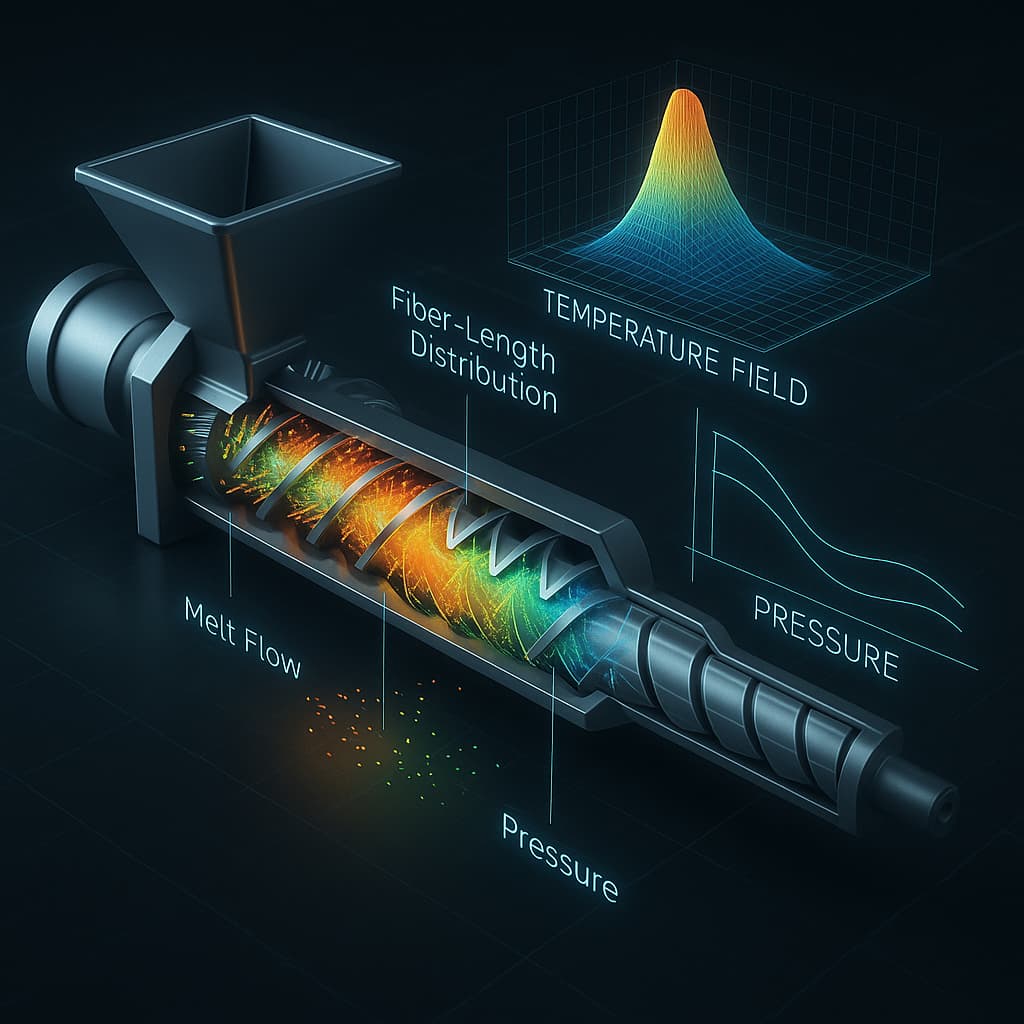
    Nylon materials are highly susceptible to internal stress during injection molding, primarily due to molecular orientation, uneven cooling shrinkage, and poor additive dispersion. Excessive internal stress can lead to deformation, cracking, and deterioration of performance. To address this issue, modification technologies play a critical role. On the molecular level, incorporating flexible segments or impact modifiers helps reduce brittleness and mitigate stress concentration. Commonly used toughening agents include elastomers, thermoplastic elastomers, or graft-modified materials, which form phase-separated structures within the nylon matrix, effectively absorbing and redistributing stress. Glass fiber reinforcement significantly improves the strength and rigidity of nylon, yet it can also introduce internal stress. Controlling fiber length, content, and distribution is essential. While long fibers provide higher strength, they also induce greater shrinkage differences during cooling. Short fibers can improve dimensional stability, and surface treatments with coupling agents can enhance interfacial compatibility, thus minimizing stress concentration. From a processing perspective, mold design and molding parameters are equally important. Gate position, cooling system design, and molding temperature and pressure curves determine stress distribution within the part. Proper gate design ensures uniform melt flow and reduces molecular orientation. Higher mold temperatures extend relaxation time for molecular chains, lowering residual stress. Post-molding annealing is another effective approach, allowing molecular chains to rearrange under conditions near nylon’s glass transition temperature, thereby relieving residual stress from rapid cooling. In terms of additive systems, lubricants and nucleating agents can also be applied. Lubricants improve melt flowability and reduce friction-induced defects, while nucleating agents regulate crystallization rate and grain size, ensuring uniform shrinkage during cooling and minimizing stress concentration. All in all, reducing internal stress in nylon injection molded parts requires a combination of material modification and process optimization. Toughening, reinforcement, lubrication, and crystallization control can enhance stress distribution on a molecular level, while appropriate molding parameters and post-processing further stabilize performance. This integrated approach not only enhances the application value of nylon but also lays the foundation for its adoption in high-performance engineering applications.
    Read More
  • Long Glass Fiber vs. Short Glass Fiber Reinforced Nylon: A Full Comparison of Mechanical and Processing Differences
    Long Glass Fiber vs. Short Glass Fiber Reinforced Nylon: A Full Comparison of Mechanical and Processing Differences
    Sep 04, 2025
    Glass fiber reinforcement is one of the most common and effective modification methods in engineering plastics. Nylon, as a high-performance resin, is often reinforced with glass fibers to improve strength, rigidity, and heat resistance. The differences between long glass fiber (LGF) and short glass fiber (SGF) reinforcement go beyond mechanical properties, influencing processing, dimensional stability, surface quality, and long-term performance. From a mechanical standpoint, LGF-reinforced nylon outperforms SGF in strength and toughness. Long fibers form a skeleton-like structure within the resin matrix, allowing better stress transfer and dispersion. As a result, flexural strength, impact resistance, and fatigue performance are significantly enhanced. In contrast, SGF reinforcement, while beneficial, is limited due to shorter fibers, which are more prone to breakage under heavy loads. Therefore, LGF nylon is widely used in structural components requiring durability and impact resistance, such as automotive parts, power tool housings, and industrial machinery. In terms of dimensional stability, SGF-reinforced nylon shows more uniform shrinkage. LGF tends to orient during injection molding due to its longer fibers, which can lead to anisotropic shrinkage, warpage, and internal stresses. This makes SGF materials more suitable for applications demanding precise dimensions and smooth surface quality, such as electronic connectors, appliance housings, and precision components. Processing behavior also differs significantly. SGF-reinforced nylon behaves more like conventional injection-molding resins, with better flowability and lower wear on molds. LGF, however, poses challenges: its longer fibers can break during processing, requiring specialized wear-resistant equipment such as hardened screws and nozzles. While this raises production costs, the resulting parts exhibit superior mechanical stability and longer performance retention. Regarding long-term properties, LGF-reinforced nylon is clearly superior. With fibers approaching critical length, a three-dimensional interlocking network is formed within the matrix, granting better creep resistance and fatigue endurance. Components exposed to high loads, elevated temperatures, or harsh environments retain their properties longer with LGF. SGF-reinforced nylon, on the other hand, shows faster degradation under prolonged stress or in humid conditions. From a cost perspective, SGF nylon is more economical due to mature production processes and easier processing, making it suitable for large-scale applications. LGF nylon, while more expensive, delivers performance levels that justify its use in high-value and demanding applications. The choice ultimately depends on balancing cost with performance requirements. All in All,LGF and SGF reinforced nylons are not competitors but complementary solutions. LGF provides superior strength and durability for structural applications, while SGF offers better processability and dimensional accuracy for precision and aesthetic applications. Selecting the right material depends on the specific demands of the end product.
    Read More
  • Nylon Alloys: How Do PA/PP and PA/ABS Achieve Performance Complementarity?
    Nylon Alloys: How Do PA/PP and PA/ABS Achieve Performance Complementarity?
    Sep 04, 2025
    Nylon, known for its excellent strength, toughness, and wear resistance, has long been a cornerstone in the field of engineering plastics. However, its drawbacks—such as high moisture absorption, limited dimensional stability, and relatively high processing energy consumption—cannot be ignored. To overcome these limitations, researchers have focused on blending nylon with other resins to enhance its performance. Among various systems, PA/PP and PA/ABS alloys are the most representative, achieving performance complementarity in strength, toughness, chemical resistance, and cost-efficiency. In PA/PP blends, nylon contributes strength and heat resistance, while polypropylene offers low moisture absorption, superior chemical stability, and cost advantages. The main challenge lies in the poor compatibility due to polarity differences. To resolve this, compatibilizers such as maleic anhydride-grafted polypropylene (PP-g-MA) are introduced. These compatibilizers enable finer phase dispersion, improving impact resistance and dimensional stability while reducing water absorption. As a result, PA/PP alloys are widely used in automotive interiors, bumpers, and appliance housings, combining strength with cost reduction. In contrast, PA/ABS blends focus more on toughness improvement. Nylon provides high strength, while ABS delivers outstanding impact resistance, making the combination ideal for parts requiring both properties. Compatibilizers such as styrene–maleic anhydride copolymers (SMA) or maleic anhydride-grafted ABS play a critical role in strengthening interfacial bonding, which enhances energy absorption under stress. Applications range from sports equipment to electronic components and structural parts, where balanced mechanical performance is essential. Processing advantages are another benefit of nylon alloys. Pure nylon often suffers from shrinkage, warpage, and dimensional instability due to moisture absorption during injection molding. Blending with PP or ABS reduces these issues significantly, improving molding stability and production efficiency. For manufacturers, this translates into lower scrap rates and higher economic returns. Looking forward, the development of nylon alloys will emphasize sustainability and multifunctionality. Bio-based polypropylene or renewable ABS may replace traditional resins to meet environmental goals, while flame retardants, conductive fillers, or reinforcing fibers can be introduced to expand applications. This evolution aligns with global trends toward eco-friendly, high-performance materials for electric vehicles, 5G communication devices, and intelligent manufacturing. In conclusion, PA/PP and PA/ABS alloys represent more than a compromise; they embody true performance complementarity enabled by compatibilizers and advanced processing. By combining nylon’s strength with improved toughness, reduced moisture absorption, and enhanced processing stability, these alloys secure their irreplaceable role in modern industry.  
    Read More
  • Poor Dimensional Stability in Hygroscopic Nylon? Comparison of 4 Drying Processes and Moisture Control Standards
    Poor Dimensional Stability in Hygroscopic Nylon? Comparison of 4 Drying Processes and Moisture Control Standards
    Aug 28, 2025
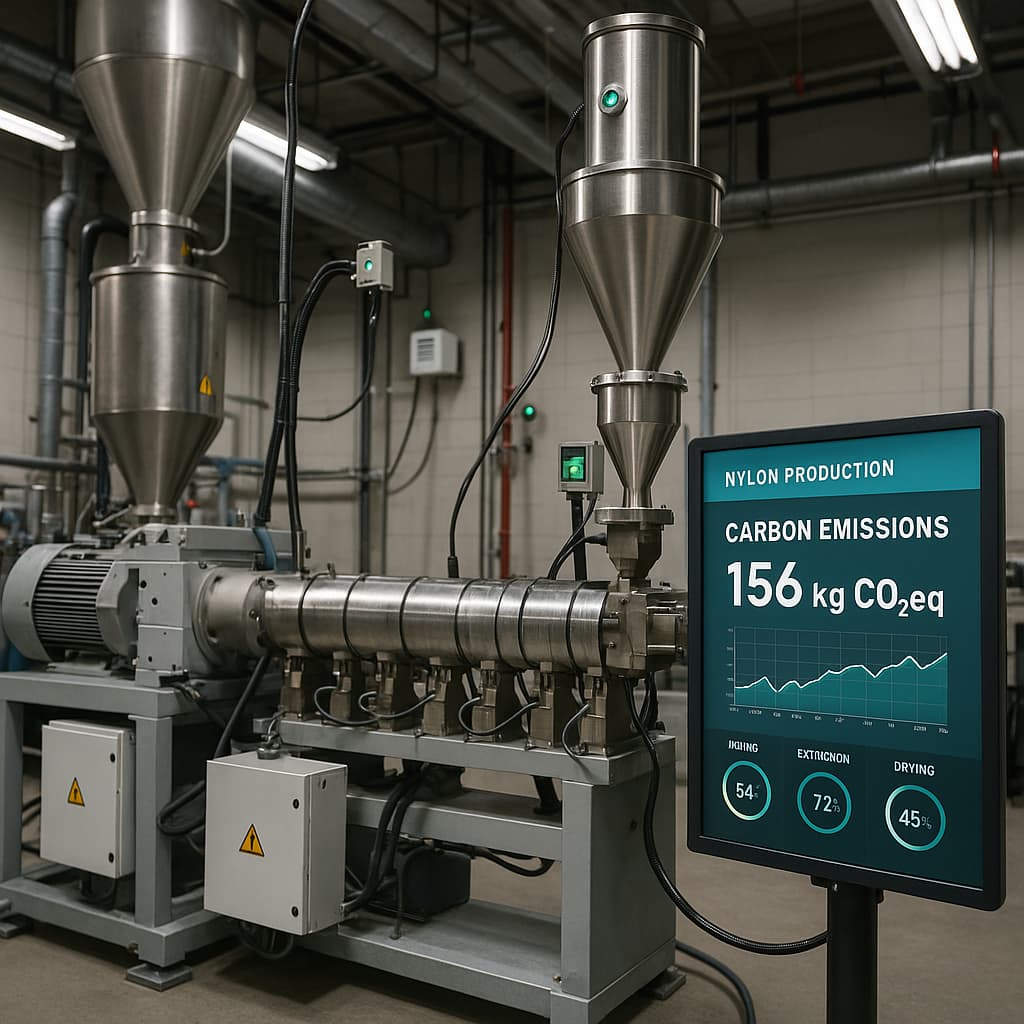
    Nylon as a high-performance engineering plastic, is widely used in automotive, electronics, electrical, and mechanical industries due to its excellent comprehensive properties. However, the presence of numerous amide groups in its molecular chain imparts strong polarity, making nylon prone to moisture absorption through hydrogen bonding. This inherent hygroscopicity affects not only dimensional stability but also alters mechanical properties and even degrades electrical performance, posing a potential risk for precision and long-term applications. Therefore, strict drying before processing is critical to ensuring product quality. Moisture influences nylon in two ways. First, water acts as a plasticizer, lowering the glass transition temperature, softening the material, accelerating creep, and reducing dimensional accuracy. Second, under high-temperature melt conditions, residual moisture causes hydrolysis, breaking polymer chains, reducing molecular weight, and significantly weakening mechanical performance. For injection molding, excessive moisture results in splay marks, bubbles, and poor surface gloss; for extrusion and fiber spinning, moisture compromises tensile strength and long-term reliability. Industry standards generally require moisture content below 0.12% before processing, and for precision parts, under 0.08%. Common drying technologies include hot-air ovens, desiccant dryers, vacuum dryers, and infrared drying, each with its own advantages and limitations. Traditional hot-air ovens heat the surrounding air to reduce humidity and evaporate moisture, offering low cost but slow drying speed and inconsistent results in humid environments, often causing reabsorption. Desiccant dryers use adsorbents or rotor systems to lower air dew point below -30°C, providing efficient and consistent drying, making them the most common industrial choice. Vacuum drying reduces pressure to lower the boiling point of water, enabling rapid moisture removal with thorough results, but higher equipment cost and limited suitability to small batches. Infrared drying uses high-energy radiation to penetrate and heat resin granules internally, offering the fastest drying speed and low energy consumption, though it requires careful process control to prevent local overheating or thermal degradation. The choice of drying process depends on production scale, cost, energy consumption, and product requirements. For large-scale injection molding, desiccant dryers are preferred for their stability and automation, while vacuum or infrared drying suits R&D, small batches, or time-critical operations. Regardless of method, strict moisture verification with infrared analyzers or Karl Fischer titration is essential. Additionally, dried nylon must be stored and transported in sealed containers and closed systems to prevent reabsorption. Controlling nylon moisture content is not only key to ensuring dimensional accuracy and mechanical strength but also critical for long-term stability and electrical performance. With the rise of smart manufacturing, future drying systems will incorporate real-time monitoring and closed-loop control, achieving higher precision and energy efficiency to meet stringent performance requirements of advanced engineering plastics.
    Read More
  • Long Glass Fiber vs. Short Glass Fiber Reinforced Nylon: Complete Comparison of Mechanical Performance and Processing Differences
    Long Glass Fiber vs. Short Glass Fiber Reinforced Nylon: Complete Comparison of Mechanical Performance and Processing Differences
    Aug 28, 2025
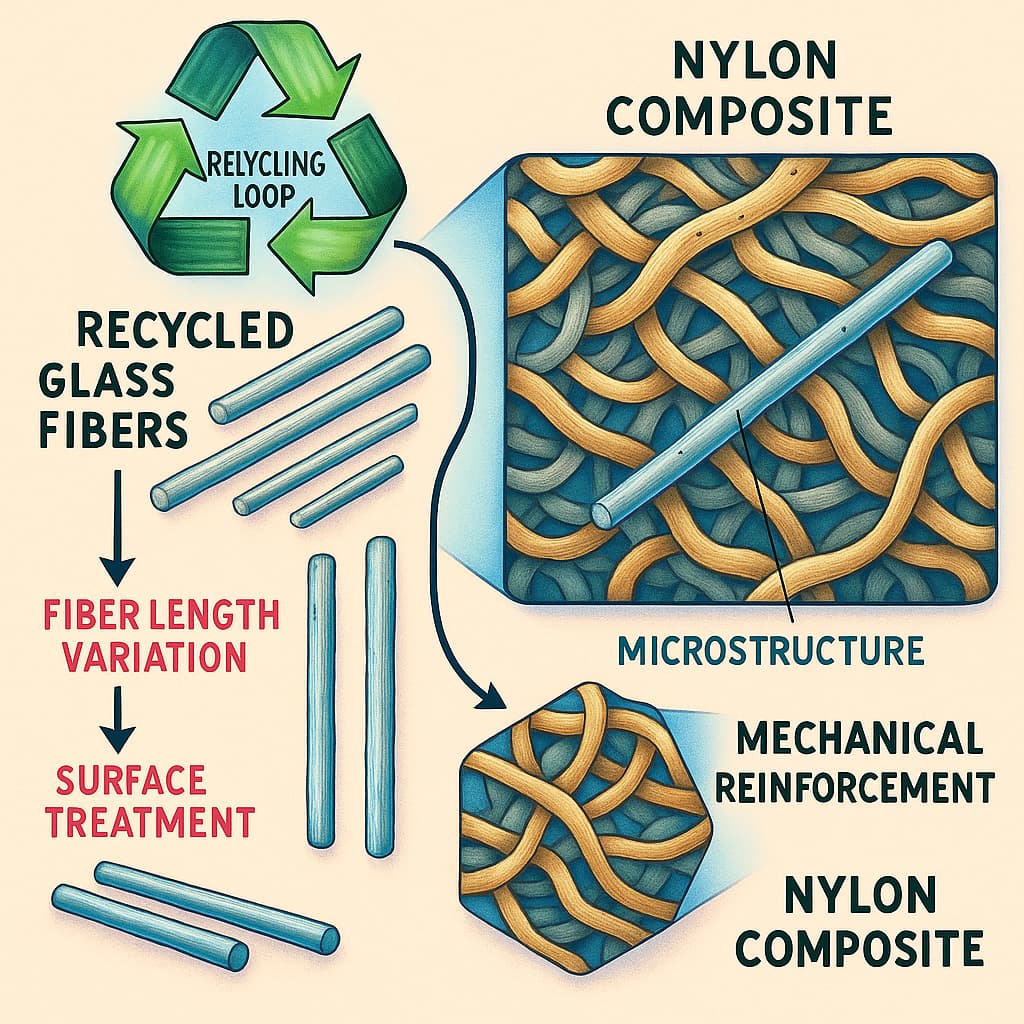
    Glass fiber-reinforced nylon is a key category in high-performance engineering plastics, where fiber reinforcement significantly improves mechanical strength, dimensional stability, and heat resistance. However, the choice between long glass fiber (LGF) and short glass fiber (SGF) is not trivial, as their differences extend beyond strength enhancement to include processing behavior, surface quality, and long-term durability. Long glass fiber reinforced nylon stands out for its superior mechanical properties. With fiber lengths generally exceeding 10 mm and sometimes reaching 25 mm, these fibers partially retain their original length during molding, creating a three-dimensional skeleton effect. This structure greatly enhances impact resistance, flexural strength, and fatigue life. In contrast, short glass fibers typically measure 0.2–0.4 mm and are more prone to breakage during melt flow, resulting in higher stiffness but limited toughness improvement. Therefore, LGF nylon is widely used in automotive structural components, power tool housings, and sporting goods, especially where lightweight yet strong materials are critical. Processing characteristics present another significant difference. Due to longer fiber length, LGF compounds exhibit lower flowability, requiring careful gate and wall thickness design to avoid short shots or fiber orientation defects. Mold wear is more severe with LGF, necessitating hardened screws and barrels, and lower screw speeds to minimize fiber breakage. Conversely, SGF nylon offers better flow characteristics, making it suitable for thin-wall complex geometries and enabling higher production efficiency with reduced mold wear. Surface quality is often a decisive factor. LGF-reinforced parts tend to exhibit fiber exposure, causing a rough surface appearance, which is undesirable for aesthetic components. SGF-reinforced nylon achieves better surface finish and can undergo secondary finishing processes like painting or electroplating. Thus, LGF solutions are best for hidden structural or functional parts, while SGF is preferred for visible components. Regarding fatigue and creep performance, LGF nylon maintains strength and toughness under cyclic loading due to its continuous fiber network, outperforming SGF materials in fatigue life and creep resistance. This makes LGF suitable for suspension brackets and load-bearing connections, whereas SGF under long-term static loads may experience stress relaxation and dimensional inaccuracies. In summary, both LGF and SGF reinforced nylons have unique benefits. For applications demanding superior strength, impact performance, and fatigue resistance, LGF should be prioritized. For components with complex geometry, high surface quality requirements, or where manufacturing efficiency is key, SGF remains the cost-effective option. Optimal material selection depends on balancing design requirements, processing capabilities, and end-use conditions.
    Read More
  • How Flame-Retardant Nylon Achieves Self-Extinguishing: Mechanisms and Flame Retardant Principles
    How Flame-Retardant Nylon Achieves Self-Extinguishing: Mechanisms and Flame Retardant Principles
    Aug 21, 2025
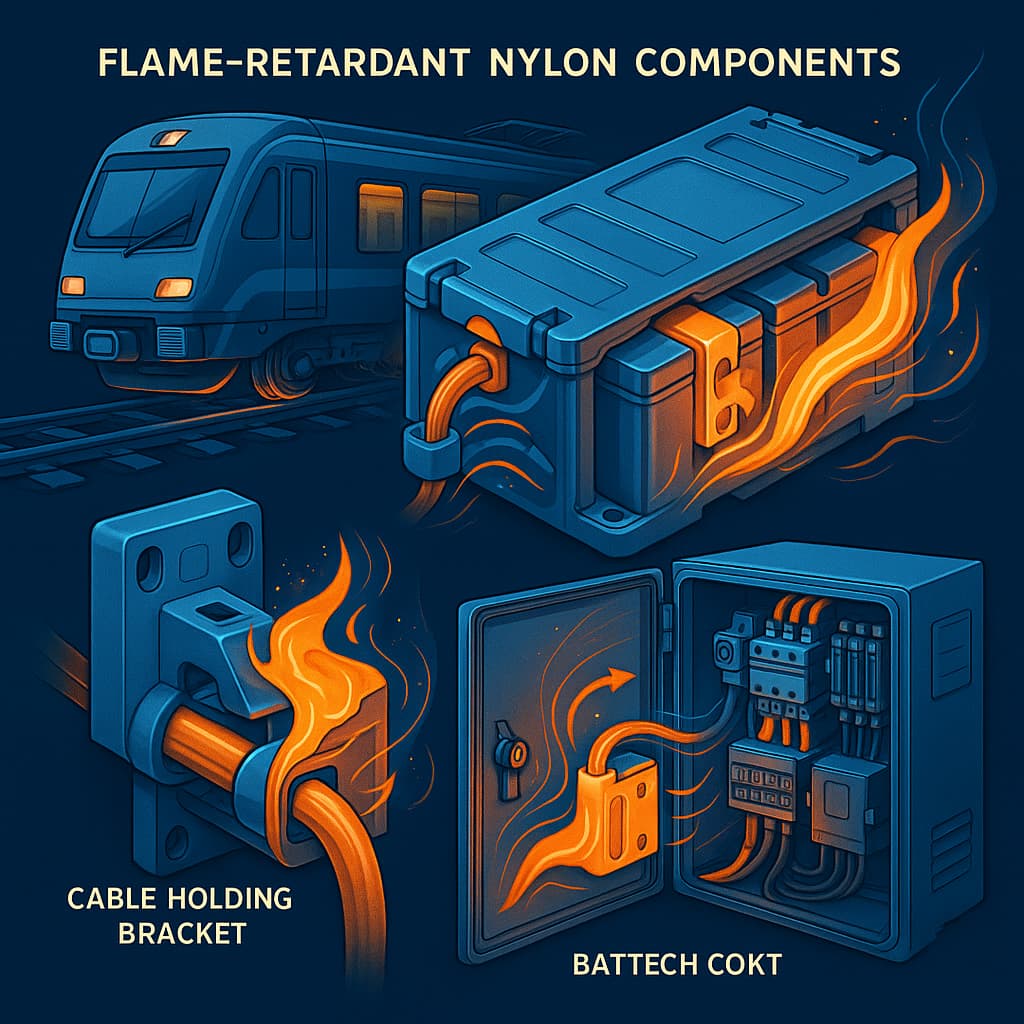
    Nylon as a representative engineering plastic, is widely used in automotive components, electrical devices, and construction materials. However, due to its hydrocarbon backbone and amide groups, nylon is inherently flammable. Once ignited, it burns rapidly and may produce molten drips. For applications demanding high fire safety—such as electrical connectors, appliance housings, and automotive under-hood parts—pure nylon alone is insufficient. Flame-retardant nylon capable of self-extinguishing once the flame source is removed, provides a critical solution. But how is this self-extinguishing property achieved? The fundamental mechanism lies in disrupting the chain reactions of combustion. Burning is essentially a process involving heat, free radicals, and oxygen. When the polymer decomposes, flammable volatiles react with oxygen to sustain the flame. Flame retardants act by interfering with this cycle. Some absorb heat, lowering the temperature; others release inert gases to dilute oxygen concentration; still others form a char layer that shields the polymer from oxygen and heat. In nylon, the main flame retardant systems include halogenated, phosphorus-based, nitrogen-based, and inorganic fillers. Halogenated retardants, such as brominated and chlorinated compounds, release hydrogen halides during combustion, scavenging free radicals and terminating the chain reaction. Although effective, their toxicity and environmental concerns have led to restrictions in many industries. Phosphorus-based flame retardants are now widely adopted. Upon decomposition, they produce phosphoric or polyphosphoric acids that promote char formation on the surface. The char layer blocks oxygen and heat transfer while reducing volatile release. Some phosphorus retardants also act in the gas phase, capturing free radicals for a dual effect. Nitrogen-based retardants, such as melamine and its derivatives, work by releasing inert gases like nitrogen or ammonia during combustion. This dilutes oxygen in the flame zone and slows burning. Phosphorus-nitrogen synergistic systems are particularly effective, delivering strong flame retardancy at relatively low loading levels. Inorganic flame retardants such as aluminum hydroxide and magnesium hydroxide decompose endothermically at high temperatures, releasing water vapor to cool and dilute the system. Though they require high loading, they are non-toxic and environmentally friendly, making them suitable for green flame-retardant nylon. In practice, engineers often use tailored combinations. For electrical insulation, low-smoke halogen-free systems are preferred, typically phosphorus-nitrogen blends. In automotive components, balancing flame resistance with mechanical strength often requires glass fiber reinforcement with phosphorus-based retardants. The self-extinguishing performance of flame-retardant nylon is commonly evaluated through standard tests such as UL94. Depending on whether the sample extinguishes quickly and avoids igniting cotton with dripping, materials are rated from HB to V-2, V-1, or the highest rating, V-0. These classifications are essential for product acceptance in safety-critical applications. Looking ahead, stricter environmental regulations are driving halogen-free and low-smoke flame-retardant systems. Advanced phosphorus-nitrogen synergistic formulations, nano-scale retardants, and self-charring additives are emerging as next-generation solutions. They not only enhance safety but also expand nylon’s role in electric vehicles, 5G communication devices, and smart home applications. Thus, flame-retardant nylon’s ability to self-extinguish arises from the combined physical and chemical effects of flame retardants. Understanding these mechanisms allows engineers to optimize formulations that balance flame retardancy, mechanical strength, and environmental performance, ensuring nylon’s continued relevance in safety-critical fields.
    Read More
  • The Moisture Absorption Problem of Nylon: Why Does It Become Brittle, Deformed, and Fail?
    The Moisture Absorption Problem of Nylon: Why Does It Become Brittle, Deformed, and Fail?
    Aug 21, 2025
    Nylon is one of the most widely used engineering plastics, valued for its strength, toughness, and wear resistance in industries such as automotive, electronics, and consumer goods. However, its molecular structure contains a large number of amide groups, which have a strong affinity for water molecules. This intrinsic feature makes nylon highly hygroscopic, and when exposed to humid environments, it readily absorbs moisture. Such moisture absorption significantly affects both mechanical properties and dimensional stability, often leading to unexpected failures. When nylon absorbs moisture, water molecules penetrate the intermolecular spaces and form hydrogen bonds. This process weakens the original hydrogen bonding between chains and increases molecular mobility. In the short term, toughness and impact resistance may improve, but tensile strength decreases over time. In structural components, repeated cycles of swelling and shrinkage during humidity changes introduce residual stresses that can cause warpage, deformation, and cracking. In electronics, moisture-induced dimensional changes may compromise precision, disrupt assembly tolerances, and even cause electrical contact failure. In automotive applications, nylon parts such as gears and connectors may lose strength due to water absorption, resulting in reduced fatigue life or sudden failure. Under alternating hot and cold conditions, the freezing or evaporation of absorbed water further amplifies these destructive effects. Moisture absorption also lowers the glass transition temperature of nylon, causing it to shift from a rigid state to a softer, unstable one. For applications requiring long-term stiffness, this is highly detrimental. When the absorbed water eventually evaporates, the material becomes brittle again, concentrating stresses and promoting cracking. This alternating cycle of embrittlement and deformation makes nylon components prone to unpredictable failure in real-world conditions. Several solutions have been developed to address nylon’s hygroscopicity. Copolymerization, such as PA6/66 copolymers or the introduction of hydrophobic monomers, can reduce the number of polar groups. Reinforcement with glass or carbon fibers helps limit swelling and improve dimensional stability. Surface coatings or barrier layers can reduce water penetration. In manufacturing, thorough drying before molding is essential to maintain low moisture content. For demanding environments, high-performance modified nylons such as PA6T or PA9T offer significantly lower water absorption due to their denser molecular structures. Nylon’s moisture absorption issue is the combined result of its molecular structure and environmental factors. It may increase toughness in the short term but compromises strength and dimensional stability in the long run. Engineers must account for the dynamic impact of moisture and adopt suitable modification and design strategies. Only by understanding the mechanisms thoroughly can nylon components maintain reliable performance under complex operating conditions.
    Read More
  • Comprehensive Explanation of Nylon Reinforcement Technologies
    Comprehensive Explanation of Nylon Reinforcement Technologies
    Aug 15, 2025
    Nylon reinforcement technology is one of the most important modification methods in the field of engineering plastics. By incorporating different types of reinforcing materials into the nylon matrix, mechanical properties, dimensional stability, and environmental resistance can be significantly improved. Among all reinforcement methods, glass fiber reinforcement, carbon fiber reinforcement, and mineral filling are the three most representative forms, each with unique differences in performance enhancement, processing characteristics, and application scenarios. Glass fiber reinforcement is the most widely used method. Glass fibers offer high strength, high modulus, and good heat resistance. When combined with PA6 or PA66, they significantly improve tensile strength, flexural strength, and heat resistance. The strength of glass fiber-reinforced nylon can be more than doubled compared to virgin material, and it maintains high rigidity even at elevated temperatures. This makes it widely used in automotive engine compartment components, power tool housings, and mechanical structural parts. However, the addition of glass fibers reduces surface smoothness and increases brittleness, so a balance between appearance and performance must be considered in design. Carbon fiber reinforcement excels in applications where lightweight and high performance are equally important. Carbon fiber has a lower density than glass fiber but higher strength, along with excellent fatigue resistance and dimensional stability. Adding carbon fiber to nylon significantly reduces the coefficient of thermal expansion, making it ideal for parts requiring extreme dimensional accuracy. Moreover, carbon fiber-reinforced nylon has higher electrical conductivity, which is advantageous in anti-static or electromagnetic shielding applications. The downside is the high cost of carbon fiber and increased equipment wear during processing, which limits its use mainly to aerospace, high-end automotive parts, and precision electronics. Mineral filling involves adding inorganic minerals such as talc, kaolin, or mica to improve nylon’s dimensional stability, rigidity, and heat resistance. Unlike fiber reinforcement, mineral filling provides limited strength improvement but offers unique advantages in reducing molding shrinkage and enhancing surface smoothness. Mineral-filled nylon is widely used in home appliance housings, office equipment parts, and industrial products with high aesthetic requirements. Due to the low cost of minerals, this method is also highly competitive in cost control. These three reinforcement methods are not mutually exclusive but are selected or combined according to application needs. For example, in automotive parts, glass fiber reinforcement suits load-bearing structural components, carbon fiber reinforcement is ideal for lightweight and high-strength functional parts, and mineral filling is used for appearance components with high dimensional accuracy. In the future, with the advancement of hybrid reinforcement technology, combining multiple reinforcement materials within a single nylon matrix may achieve comprehensive performance optimization to meet the most demanding industrial applications.
    Read More
  • What is Modified Nylon? The Evolution Path of Materials Starting from PA6/PA66
    What is Modified Nylon? The Evolution Path of Materials Starting from PA6/PA66
    Aug 15, 2025
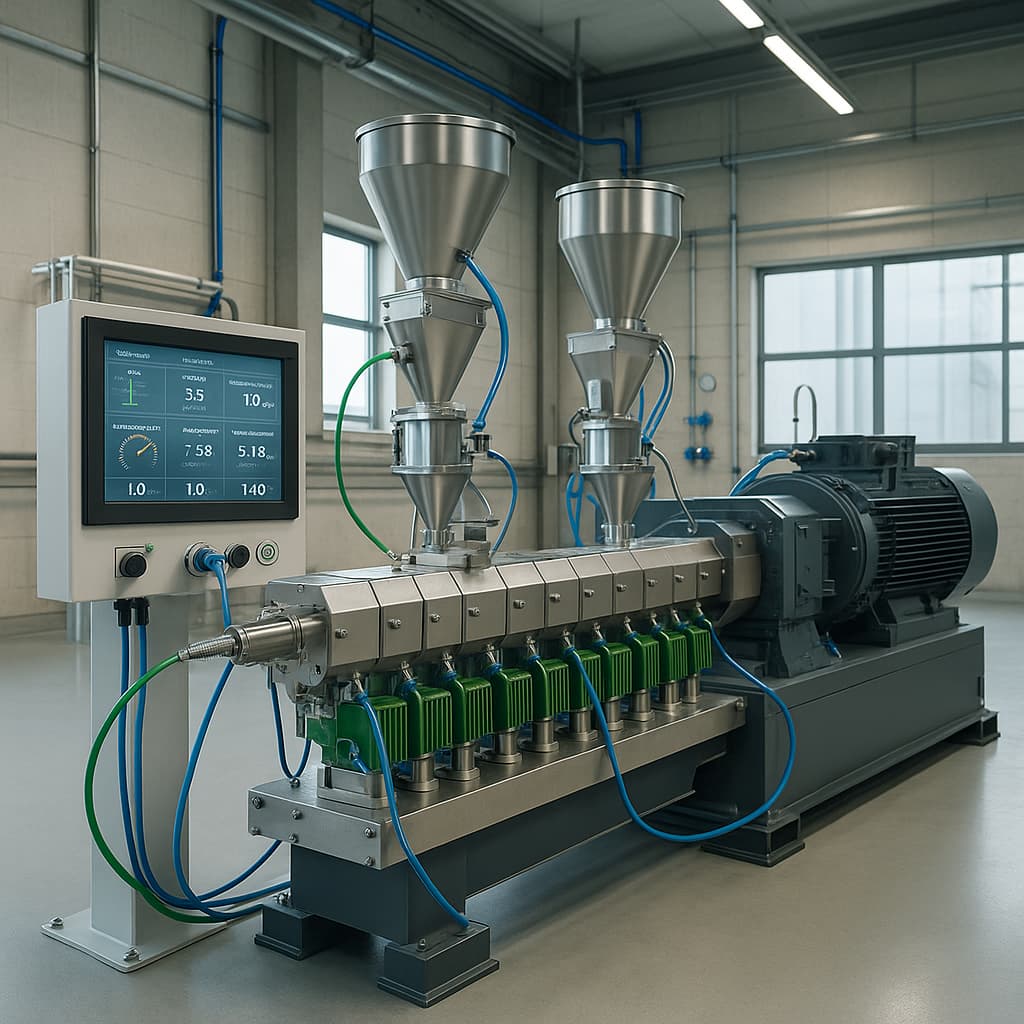
    Nylon, as a key engineering plastic, has evolved from a general-purpose material to a variety of performance-adjustable modified products since its invention in the last century. Among them, PA6 and PA66 are the most common base types. Although their molecular structures are similar, their performance differs slightly. PA66 has advantages in crystallinity, heat resistance, and rigidity, while PA6 offers better toughness and different moisture absorption characteristics. In the early stage of industrialization, these materials were mainly used in their virgin form for fibers, gears, and bearings. However, as industrial demands increased, single-property nylon materials could no longer meet complex application requirements, leading to the emergence of modified nylon. Modified nylon is produced by physically or chemically adjusting the performance of base PA6 or PA66. Common modification methods include reinforcement, toughening, flame retardancy, wear resistance, and weather resistance. Reinforcement often involves adding glass fibers, carbon fibers, or mineral fillers to improve mechanical strength and dimensional stability. Toughening typically uses elastomeric rubbers to enhance low-temperature impact resistance. Flame retardant modification introduces phosphorus- or nitrogen-based systems into the polymer structure to meet safety standards in the electrical and electronics industries. These modifications not only alter physical properties but also expand nylon’s application boundaries in automotive, home appliances, electronics, and industrial machinery. The evolution of these materials is driven by application requirements. For example, components in automotive engine compartments must operate for long periods under high temperatures and exposure to oil, demanding excellent heat stability, chemical resistance, and mechanical strength. Traditional PA6 or PA66 would degrade under such conditions, while glass fiber-reinforced and heat-stabilized nylon maintains its performance. In the electronics sector, components such as sockets and switches require flame retardancy while maintaining electrical insulation and dimensional accuracy, which has driven the widespread adoption of flame-retardant reinforced nylon. The development of modified nylon is also closely tied to advances in processing technology. Modern modification processes go beyond traditional twin-screw compounding to include nano-filler dispersion technology, reactive extrusion, and intelligent formulation design, enabling balanced performance while maintaining uniformity and processability. This synergy between materials and processing allows modified nylon to be tailored precisely for specific applications rather than serving as a simple universal replacement. From the virgin forms of PA6 and PA66 to the wide variety of modification options available today, the evolution of these materials reflects the broader trend in the engineering plastics industry toward diversified performance and specialized applications. In the future, with the deepening focus on sustainability and the circular economy, modification technologies based on recycled nylon will become a research hotspot, achieving a balance between material performance and environmental requirements. This represents not only scientific progress in materials but also a shift of the entire value chain toward higher added value.
    Read More
  • Breakthroughs in the modification of nylon materials for 3D printing
    Breakthroughs in the modification of nylon materials for 3D printing
    Aug 06, 2025
         As one of the core technologies in additive manufacturing, 3D printing has experienced rapid development in the past decade. Its applications continue to expand across aerospace, healthcare, automotive, and consumer electronics sectors. High-performance materials have emerged as the key driver behind these advancements. Among them, nylon—especially PA6 and PA12—has become one of the most representative engineering plastics in 3D printing due to its mechanical strength, toughness, thermal resistance, and chemical stability. However, traditional nylon still suffers from high moisture absorption, weak interlayer bonding, and poor dimensional stability, which limit its use in high-precision or load-bearing parts. Therefore, modification of nylon materials has become a major focus in the industry. Common modification strategies include glass fiber reinforcement, carbon fiber filling, copolymerization, polymer blending, and nano-filler techniques. Incorporating glass or carbon fibers significantly improves the material’s modulus and strength, enabling the production of large or functional parts with better structural integrity. For example, 30% glass fiber-reinforced PA6 can reach injection molding–level mechanical strength in 3D printing while maintaining adequate flexibility, making it suitable for jigs, enclosures, and structural frames. Another breakthrough lies in developing low-hygroscopic nylon. Due to the polar amide groups, conventional nylons easily absorb moisture from the air, resulting in dimensional changes and mechanical degradation. Through structural design, such as replacing hydrophilic monomers or introducing cross-linking agents, the moisture uptake can be substantially reduced. Commercial grades like PA12-L are now widely used in industrial 3D printing systems for high-precision and long-term stability applications. Improving interlayer adhesion is also critical in 3D printing, where layer-by-layer deposition leads to potential delamination. Developers introduce polar functional groups or thermally activated adhesives to enhance interlayer fusion without compromising mechanical properties. By adding reactive copolymers or functional elastomers, the molecular chains achieve better diffusion during melting, thereby enhancing overall structural consistency and impact resistance. In addition to mechanical improvements, multifunctional properties such as conductivity, flame retardancy, and anti-static performance are also being explored. Incorporating carbon nanotubes, graphene, or phosphorus-based flame retardants allows modified nylon to meet the needs of electronic housings, aerospace components, and hazardous environments. These functional additives require precise dispersion and advanced blending techniques to ensure print quality. The future of modified nylon in 3D printing lies in its integration with smart manufacturing systems. By combining AI-controlled printing parameters with material design, a holistic optimization of the material-process-equipment triangle can be realized. Simultaneously, sustainability is becoming a priority, with bio-based nylons and recyclable reinforcements being developed to reduce environmental impact and support a low-carbon manufacturing ecosystem. Breakthroughs in nylon modification not only accelerate 3D printing’s adoption in advanced industries but also reshape materials science paradigms. As multifunctional, intelligent, and sustainable development trends continue to rise, modified nylon is set to play an increasingly vital role in the additive manufacturing value chain.
    Read More
  • New Demands for Nylon Modification in Electric Vehicles
    New Demands for Nylon Modification in Electric Vehicles
    Jul 30, 2025
    The rapid advancement of electric vehicle (EV) technology is reshaping the landscape of material applications in the automotive industry. Nylon, a key engineering plastic, has been widely used in traditional internal combustion engine vehicles for components such as engine bay parts, electrical connectors, and structural supports. However, the widespread adoption of EVs has brought about more stringent and diversified performance requirements for materials, creating new challenges and opportunities for modified nylon solutions. One of the most significant differences in EVs lies in the structure of the power system. Compared to combustion engines, electric drivetrains generate heat more centrally and operate at higher voltages, demanding materials with both high thermal resistance and excellent electrical insulation. Modified PA66, PA6T, and aromatic nylons such as PA10T and PA9T are widely applied in battery module housings, power control units, and thermal management pipelines due to their high heat deflection temperatures, low moisture absorption, and dielectric strength. Furthermore, the push for vehicle lightweighting drives the need for high-strength, low-density alternatives to metal components. Glass-fiber or mineral-reinforced nylons offer a favorable balance of weight reduction, dimensional stability, and impact resistance, making them ideal for high-voltage connectors, motor end caps, and HVAC components. Carbon fiber-reinforced nylons are also being adopted in load-bearing parts such as chassis supports and seat structures, contributing to enhanced mechanical performance with reduced mass. EV manufacturers are also placing greater emphasis on sustainability. In line with environmental regulations and carbon neutrality commitments, OEMs are increasing the use of recycled and bio-based materials. Recycled PA66 with verified performance is already integrated into the supply chains of several automakers. Bio-based nylons such as PA410 and PA1010, known for their excellent thermal stability and low carbon footprint, are gaining traction in interior and exterior trim applications. Lifecycle carbon emissions, reprocessability, and material traceability are becoming key selection criteria. Another emerging demand is for electromagnetic compatibility (EMC) and high-voltage safety. The high-voltage systems and intelligent control modules in EVs require materials that can offer shielding effectiveness and corona discharge resistance. In response, some manufacturers are developing conductive nylon compounds with fillers such as graphene and carbon nanotubes to achieve anti-static and EMI-shielding properties, enhancing the safety and reliability of future electric vehicles. Lastly, the precision assembly required in EV production increases the importance of dimensional accuracy and consistency in injection-molded parts. Modified nylons with improved flowability, warp resistance, and surface finish—especially those optimized for high-speed injection molding—are becoming preferred materials for electronic housings and modular components. The rise of electric vehicles is driving both the evolution and expansion of modified nylon applications. Suppliers must innovate across thermal, electrical, mechanical, and environmental dimensions to meet the evolving demands of this transformative industry.
    Read More
1 2 3 4 5 6
A total of6pages

Leave a Message

Leave a Message
If you are interested in our products and want to know more details,please leave a message here,we will reply you as soon as we can.
submit

Home

Products

WhatsApp

contact