Our company

Blog

Home

Blog

  • How Sustainable Materials Reshape the Nylon Value Chain: Parallel Paths of Bio-based and Recycled Feedstocks
    How Sustainable Materials Reshape the Nylon Value Chain: Parallel Paths of Bio-based and Recycled Feedstocks
    Sep 25, 2025
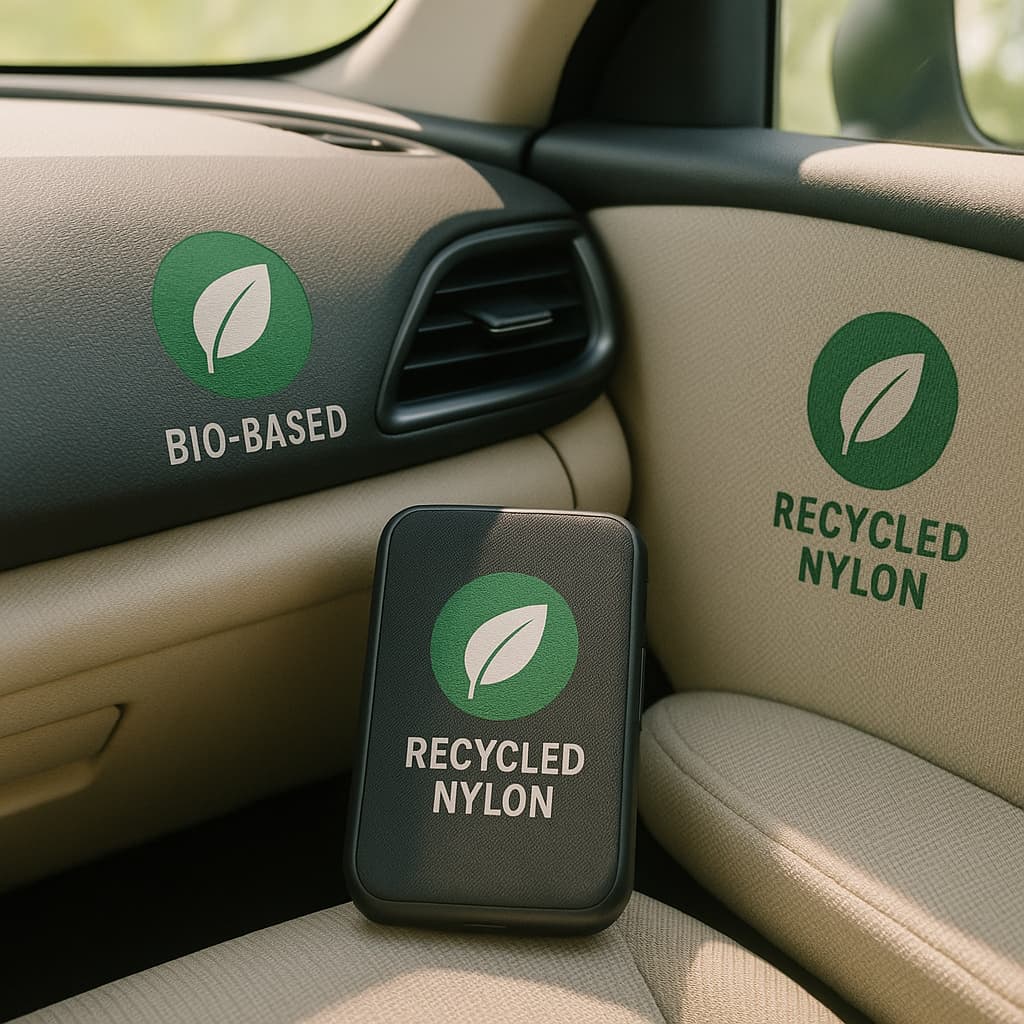
    Sustainable materials are reshaping the global nylon value chain. Traditional nylon production relies heavily on fossil-based feedstocks such as caprolactam, adipic acid, and hexamethylene diamine, creating carbon emission pressure and price volatility. In recent years, bio-based nylons and high-content recycled materials have moved from laboratories to commercialization, driving simultaneous transformation across the supply chain. Automotive, electronics, and consumer brands set sustainability targets requiring suppliers to meet carbon footprint, recycled content, and traceability criteria, changing how nylon materials are developed and procured. Breakthroughs in bio-based nylons focus on raw materials. Bio-based adipic acid, bio-based hexamethylene diamine, and castor-oil-derived PA610, PA1010, and PA11 are now produced at scale in Europe and Japan. These materials match or exceed the performance of petroleum-based nylons with lower carbon footprints and superior chemical resistance, making them preferred choices for durable, certified components. Recycled systems emphasize closed-loop cycles. Discarded fishing nets, industrial scraps, and post-consumer nylon products are cleaned, sorted, and chemically recycled to produce high-quality PA6 or PA66 pellets. Compared to mechanical recycling, chemical recycling restores polyamide chains at the molecular level, producing properties closer to virgin material. Brands gradually adopt recycled nylon in textiles, automotive interiors, and electronics housings, supported by certifications such as GRS and ISCC+ for traceability. This dual-track model places higher demands on the industry. Compounders must master formulation adjustments to ensure bio-based and recycled feedstocks achieve mechanical strength, dimensional stability, flame retardance, and weatherability. Processors must optimize drying, extrusion, and injection molding to handle viscosity and thermal stability differences. Policies and market mechanisms amplify the impact. The EU Green Deal, U.S. Clean Energy Act, and China’s dual-carbon strategy encourage low-carbon and recycled materials. Some countries offer tax incentives and green financing for bio-based nylon projects. Major end-user brands integrate sustainability into supplier scoring systems, treating recycled or bio-based content on par with price and delivery time, creating market pull effects. In the coming years, the nylon value chain will develop through multiple pathways. Petroleum-based, recycled, and bio-based feedstocks will coexist, requiring flexible selection based on application, performance, and certification. Technological innovation, cross-industry collaboration, and data transparency will be key to competitiveness. Ultimately, sustainability will become an intrinsic driver of stability and long-term growth for the nylon industry rather than just a marketing concept.
    Read More
  • 2025 Global Modified Nylon Market Trend Report: New Growth Poles from Asia to Europe
    2025 Global Modified Nylon Market Trend Report: New Growth Poles from Asia to Europe
    Sep 25, 2025
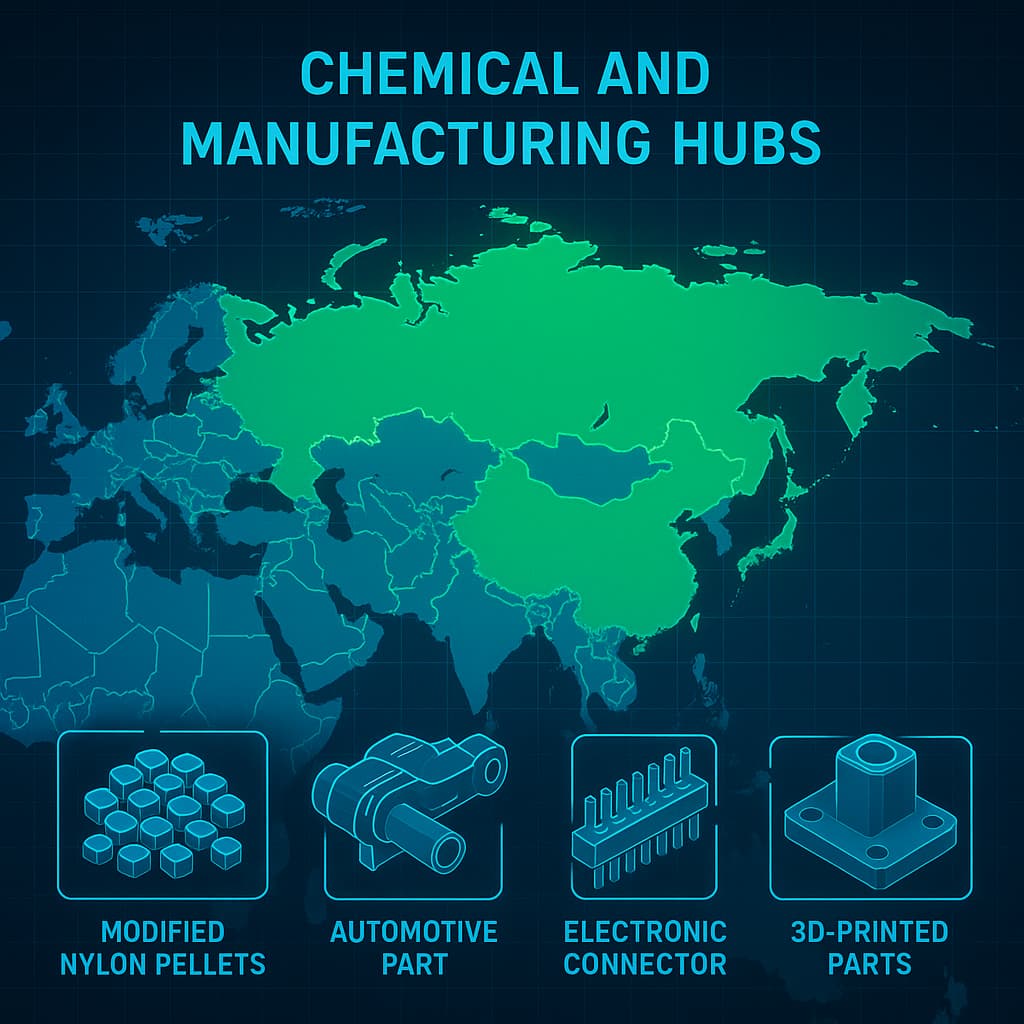
    The global modified nylon market in 2025 shows a new growth pattern. Over the past decade, Asia has been the most dynamic production and consumption region for modified nylon, especially China, Japan, and South Korea, with rapid expansion in automotive, electrical and electronics, industrial components, and 3D printing. Starting in 2025, Europe is becoming a new growth pole driven by stricter environmental regulations, automotive lightweighting, and sustainable material policies. European companies are not only strengthening domestic modified nylon capacity but also expanding their influence in the Asia-Pacific region through acquisitions, technology partnerships, and investments, creating a two-way interaction. PA6 and PA66 remain mainstream products, but high-performance variants such as PA12, PA610, PA612, and semi-aromatic nylons are rapidly growing. High-end modified nylons reinforced with long glass fiber, carbon fiber, mineral fillers, or flame-retardant systems are increasingly used in automotive powertrains, EV battery modules, UAV structures, and high-temperature electronic connectors. This trend reflects both higher performance requirements and a preference for differentiated materials. In supply chains, 2025 marks a significant shift in capacity relocation. Asian expansion focuses on coastal provinces of China and Southeast Asian countries, leveraging cost advantages and mature processing systems. Europe strengthens local modified nylon plants in Germany, France, and Poland, emphasizing circular economy and low-carbon manufacturing. The U.S. also sees reshoring to mitigate supply risks. Technological innovation is becoming the core of market competition. Next-generation high-speed extrusion, in-line compounding, and continuous modification lines enhance efficiency and consistency. Optimized nano-fillers and coupling agents improve heat resistance and dimensional stability. Many firms collaborate with automotive OEMs and electronics giants to develop customized modified nylons, accelerating commercialization. Feedstock and price fluctuations remain key concerns. Caprolactam, adipic acid, and hexamethylene diamine prices face uncertainties under global energy and logistics conditions, prompting diversified sourcing and long-term contracts. Bio-based adipic acid and bio-based PA66 are commercially launched in Europe, offering price stability and sustainability. Overall, the 2025 global modified nylon market advances toward multipolarity and high-performance development. Asia retains volume advantage, Europe rises in green and high-end sectors, and the U.S. accelerates local innovation. Regional differences in regulation, customer demand, technology, and supply chains will shape the market over the next five years.
    Read More
  • Innovation of Nylon Materials in the 3D Printing Field: From Powder Bed to Carbon Fiber Reinforcement
    Innovation of Nylon Materials in the 3D Printing Field: From Powder Bed to Carbon Fiber Reinforcement
    Sep 19, 2025
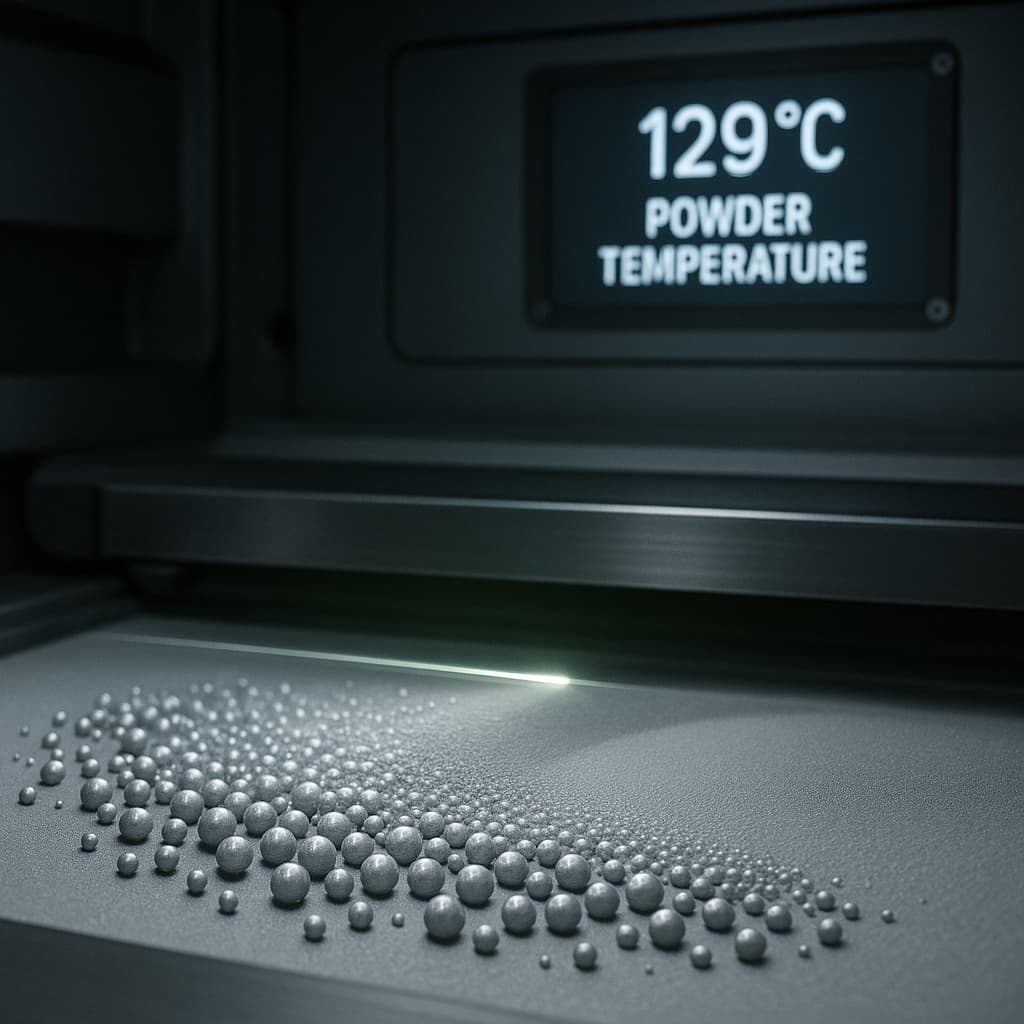
    In the 3D printing industry, nylon materials have become one of the most promising engineering plastics. In recent years, with the maturity of powder bed fusion (PBF), selective laser sintering (SLS), fused deposition modeling (FDM), and advances in composite reinforcement technologies such as carbon-fiber reinforcement, the performance and applications of nylon are undergoing significant innovation. Examining these innovations not only helps to understand material science trends but also offers paths for practical design implementation. The first innovation lies in the particle size distribution and morphology control of nylon powders used in powder bed 3D printing. Excellent powder bed printed nylon must possess a narrow particle size distribution, spherical particles, lower oxygen content, and good flowability. Spherical particles allow uniform powder spreading and reduce voids, which in turn make printed parts denser and more uniform in mechanical properties; low oxygen content means less oxidation during high-temperature melting or sintering, improving fatigue resistance and surface quality. These characteristics are especially critical when printing nylon components via SLS or PBF, such as gears, racks, or functional connectors. Second is additive and composite reinforcement techniques, especially carbon-fiber reinforced nylon (CFR nylon) and hybrid use with glass-fiber reinforcement. Carbon fiber reinforcement can significantly increase stiffness, flexural strength, and heat resistance while often reducing weight. These composite nylons are frequently adopted in aerospace parts, automotive engine covers, structural brackets, industrial gears, and other high-strength and high-rigidity applications. However, incorporating carbon fiber in 3D printing brings challenges: poorer melt flow, faster nozzle wear, weakened interlayer adhesion, surface roughness problems, etc., which require optimization of printing parameters such as nozzle diameter, extrusion or melt temperature, print speed, and infill rate. Moreover, control of thermal deformation and shrinkage in nylon materials is also critical. During the 3D printing process, especially in powder bed and SLS technologies, parts undergo cycles of heating and cooling that can lead to warpage or distortion. Adjusting powder bed temperature, preheating of the build platform, laser power, or using thermal management systems can effectively mitigate internal thermal gradients. Furthermore, in carbon-fiber or glass-fiber reinforced materials, because the thermal expansion coefficient of the fibers differs from the nylon matrix, temperature changes can introduce stress, leading to microcracks or delamination. Proper fiber length, orientation layout, and fiber surface treatment (e.g., coating or plasma treatment of carbon fiber) can improve interfacial bonding and, thereby, enhance resistance to thermal deformation. In addition, humidity’s influence on nylon in 3D printing is especially pronounced. Nylon absorbs moisture easily; moisture leads to dimensional inaccuracies during printing, weakened interlayer bonding, and reduced mechanical properties of the final part. To combat these issues, some new nylon powders and filament materials include low-moisture-absorption modifiers, or adopt post-processing drying / vacuum drying routines. Particularly for carbon-fiber reinforced nylon filaments, strict moisture control before storage and printing is essential to retain print quality and strength. Surface accuracy and post-processing are further areas of innovation. Nylon parts printed in 3D often have rough surfaces and visible layer lines. For functional components or aesthetic housings, surface finishing is essential, which may include mechanical sanding, bead blasting, chemical polishing, coating or painting, or heat treatment. For carbon-fiber reinforced nylon, fiber pull-out or exposure may occur, necessitating special design of the surface finishing workflow to avoid fiber egress, wear, or secondary corrosion issues. Finally, consideration must be given to printability versus economic trade-offs. Although carbon-fiber reinforced and high-performance nylon powders offer outstanding strength, heat resistance, and wear resistance, costs and manufacturing complexity increase greatly. Nozzle wear frequency, printer reliability, material changeover costs, energy consumption, and post-processing expenses become non-negligible in real projects. Also, large structural parts or industrial batch production place higher demands on printer build volume, powder recycle rate, waste reuse, etc. Designers or engineers should perform cost-performance analysis prior to choosing material and process to determine whether returns justify the investment. These innovations, combined with experimental testing and advances in material science, are pushing nylon’s role in 3D printing from prototype fabrication to true functional components. From small‐scale lab production to high-volume manufacturing with demanding structure strength and durability requirements, carbon-fiber reinforced nylon is set to play an increasingly critical role across aerospace, automotive, industrial machinery, and even consumer electronics.
    Read More
  • Selection Strategy of High CTI Nylon Materials in Electronic and Electrical Appliances
    Selection Strategy of High CTI Nylon Materials in Electronic and Electrical Appliances
    Sep 19, 2025
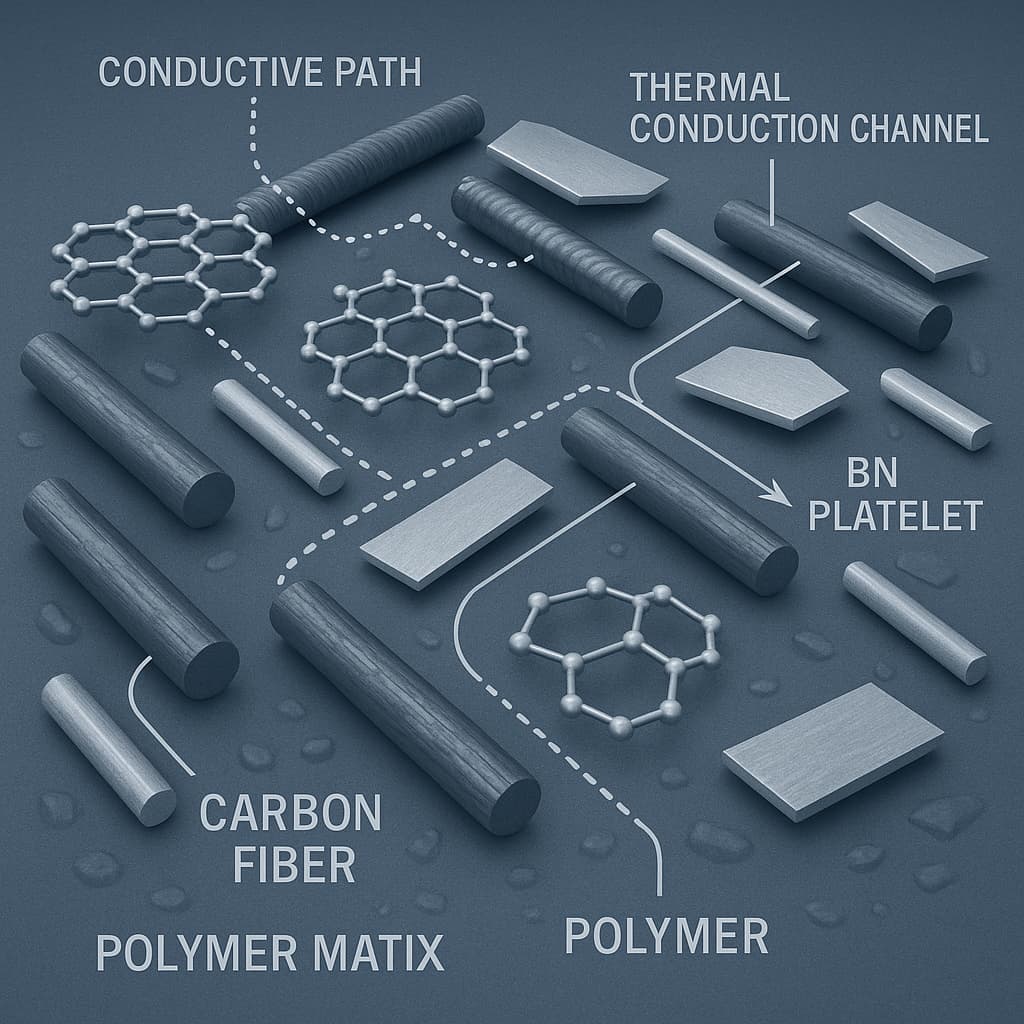
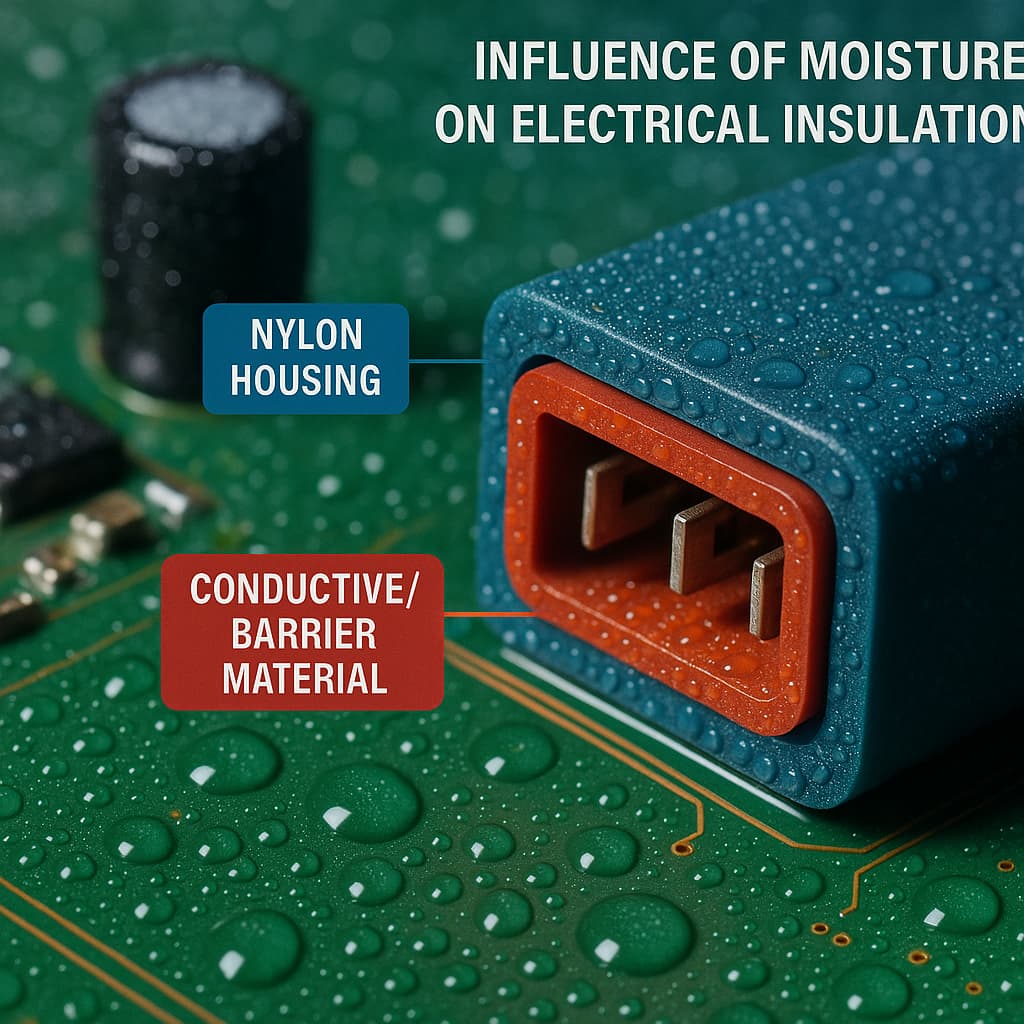
    In the field of electronics and electrical appliances, high-CTI (Comparative Tracking Index) nylon materials are increasingly favoured by design engineers and materials scientists due to their excellent electrical corrosion resistance and insulation performance. Choosing the proper high-CTI nylon affects not only product safety, but also service life, reliability, and cost. Therefore, the selection strategy must consider multiple aspects comprehensively. It is crucial to understand the physical meaning of the CTI metric. The CTI value reflects a material’s ability to resist surface tracking or electrical discharge under conditions of high humidity and pollution. The higher the CTI, the less likely a material is to develop arcs or conductive paths on its surface when exposed to damp conditions. This is especially important for housings, switches, sockets, and other components exposed to air that may contain dirt or moisture. Generally, a CTI value of 400 V or above is considered high-grade, suitable for outdoor or high humidity environments; for indoor consumer electronics, CTI values between 175 V and 250 V are common and often sufficient. One must consider the material’s thermal performance and glass transition temperature (Tg). In electronics, the heating of circuit boards, components, and even the outer casing impose high temperature loads on materials. Although nylon (polyamide) naturally provides good heat resistance, its specifications vary greatly. You must examine both the continuous operating temperature and the transient peak temperature, and whether the CTI value degrades under high-temperature conditions. Also important is whether the material is modified with heat stabilizers or glass fibre reinforcements; these can enhance thermal performance, but may also affect electrical insulation (e.g. exposed fibres might alter surface corona propagation paths). The moisture absorption rate and its effect on electrical characteristics cannot be ignored. Nylon tends to absorb water; when hydrated, its insulating properties deteriorate, volume swells, mechanical strength drops, and the CTI value may fall significantly. In practice, inspect how the material behaves under saturated absorption: whether its tracking or arcing resistance in soaked state remains acceptable. If the environment involves high humidity or rapid temperature changes, also consider performance after repeated wet-dry cycles. Some high-CTI nylons are modified (with carbon black or other additives) to reduce water uptake; although more costly, these materials are often more reliable under harsh conditions. Processing behaviour and forming method requirements are important. Housings, pin seats, connectors, etc., are usually manufactured by injection moulding, extrusion, or other plastic forming processes. High-CTI nylon, particularly when filled (glass fibre, inorganic powders, carbon black) or weather-stabilised, may change melt flow behaviour, viscosity, melt flow index (MFI), and the melt temperature. These will affect mould design, wall thickness uniformity, demoulding difficulty, and surface finish quality. Poor flow may lead to short shots, weld lines, air bubbles, or sink marks. Thus, when selecting material, one must obtain from datasheets the melt index, melting temperature, processing temperature range, and ensure they match the equipment’s capability. Long-term reliability and environmental regulation must be considered. Products in this sector often require lifetimes of several years or more. The performance degradation over time under temperature, humidity, and electrical stress is expected. Key issues are whether high-CTI nylon will oxidise, yellow, embrittle, or crack. Also it must comply with regulations such as RoHS, REACH: using non-toxic flame retardants, not containing prohibited substances; additives should not compromise recyclability. Also one should check whether the supplier provides accelerated ageing test data (high temperature, high humidity, voltage cycling) and whether the material sample is certified under UL or IEC standards. Cost and supply chain stability should not be underestimated. High performance nylon often carries higher costs for raw materials, fillers, colorants, safety flame retardants than standard nylon. Design teams must balance performance requirements with cost budget. In mass-produced equipment like household appliances, power adapters, communication devices, material cost and processing efficiency directly influence the overall cost. Also, supplier lead time, batch-to-batch consistency (variation in performance between lots) can directly affect manufacturing reliability. Choosing a reputable high-CTI nylon brand, understanding its global or local inventory, and having alternative sources to cover supply disruptions are hallmarks of mature material selection strategy. Comprehensive testing and prototype validation are indispensable. Theoretical datasheets are instructive, but actual performance in end-use is influenced by environmental conditions, structural design, wall thickness distribution, surface finish and more. Design engineers should request material samples and conduct real assembly testing in expected environments, including extreme temperature/humidity cycling, dielectric withstand tests, surface tracking tests, thermal shock, mechanical strength tests, etc., to verify the material’s behaviour in specific applications. Also allow design margin to accommodate performance degradation. In summary, selecting high-CTI nylon materials in electronics and electrical appliances is a multi-factor trade-off: one must look beyond just insulation metrics to consider thermal resistance, moisture absorption, processability, reliability and regulatory compliance. Only when performance, cost, manufacture, and regulation are all balanced can the final product achieve safety, longevity, and market competitiveness.
    Read More

  • The Rise of Modified Nylon for Electric Vehicles: The Optimal Balance Between Lightweight and Heat Resistance
    The Rise of Modified Nylon for Electric Vehicles: The Optimal Balance Between Lightweight and Heat Resistance
    Sep 11, 2025
    With the rapid growth of electric vehicles (EVs), material selection has become a decisive factor in balancing performance and cost. Lightweight design and heat resistance are two of the most critical requirements. On one hand, lightweight materials reduce overall vehicle energy consumption and extend driving range; on the other hand, heat-resistant materials ensure the reliability of batteries, motors, and electronic systems under high-temperature conditions. Modified nylon, as a versatile engineering plastic, is rapidly emerging as a key material in the EV industry. In terms of light weighting, modified nylon offers significant advantages over metals. Its density is about one-seventh that of metals, yet with glass fiber or carbon fiber reinforcement, its strength and rigidity can fully meet structural requirements. Components such as battery module housings, motor end covers, and cooling pump casings have already adopted modified nylon to replace aluminum alloys or steel. Injection molding further enables design flexibility and part integration, reducing production costs. Heat resistance is another crucial demand in EV applications. Motors generate substantial heat during operation, while batteries require strict thermal stability. With heat-resistant modifications, nylon’s heat distortion temperature can be raised to 200 °C or higher, maintaining excellent mechanical properties under long-term thermal aging. Compared with polypropylene or ABS, modified nylon demonstrates lower creep and better dimensional stability under high temperatures, making it more suitable for demanding EV environments. Beyond mechanical and thermal performance, modified nylon also excels in electrical properties. Flame-retardant grades meet strict automotive electrical safety standards, preventing arc discharge or short-circuit risks. As a result, modified nylon is increasingly used in high-voltage connectors, charging plugs, and electrical isolation parts in battery modules. Equally important, modified nylon supports sustainability. Manufacturers have developed grades based on renewable or recycled feedstock, reducing carbon emissions while maintaining performance stability. This aligns perfectly with the EV industry’s pursuit of green development and circular economy goals. To be short, the rise of modified nylon in electric vehicles is not merely a material substitution but an inevitable step in industry transformation. With its combined advantages of lightweighting, heat resistance, electrical safety, and sustainability, modified nylon is gradually replacing metals and conventional plastics, becoming a driving force behind EV innovation. As modification technologies continue to evolve, nylon will find even broader applications in core EV components, providing safer, more efficient, and more environmentally friendly solutions.
    Read More
  • How to Reduce Internal Stress of Nylon Injection Molded Parts Through Modification
    How to Reduce Internal Stress of Nylon Injection Molded Parts Through Modification
    Sep 11, 2025
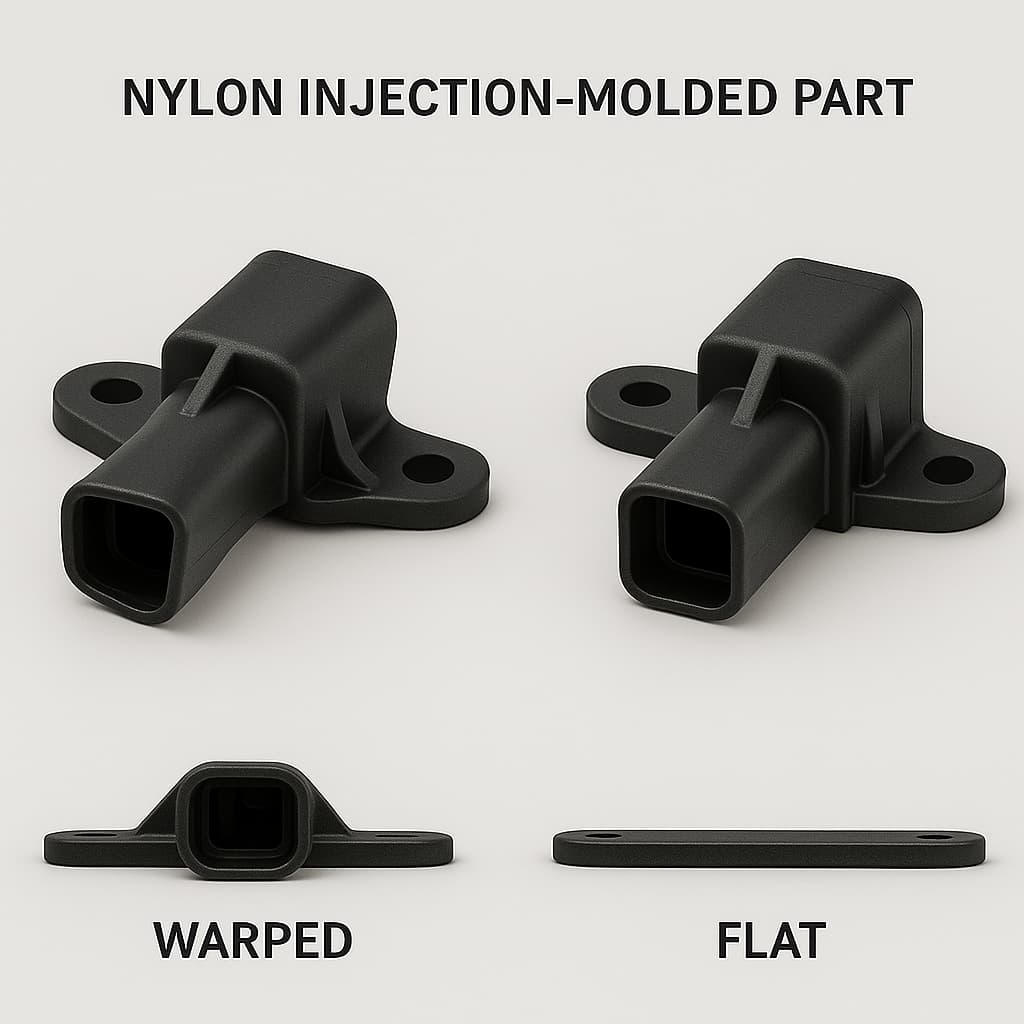
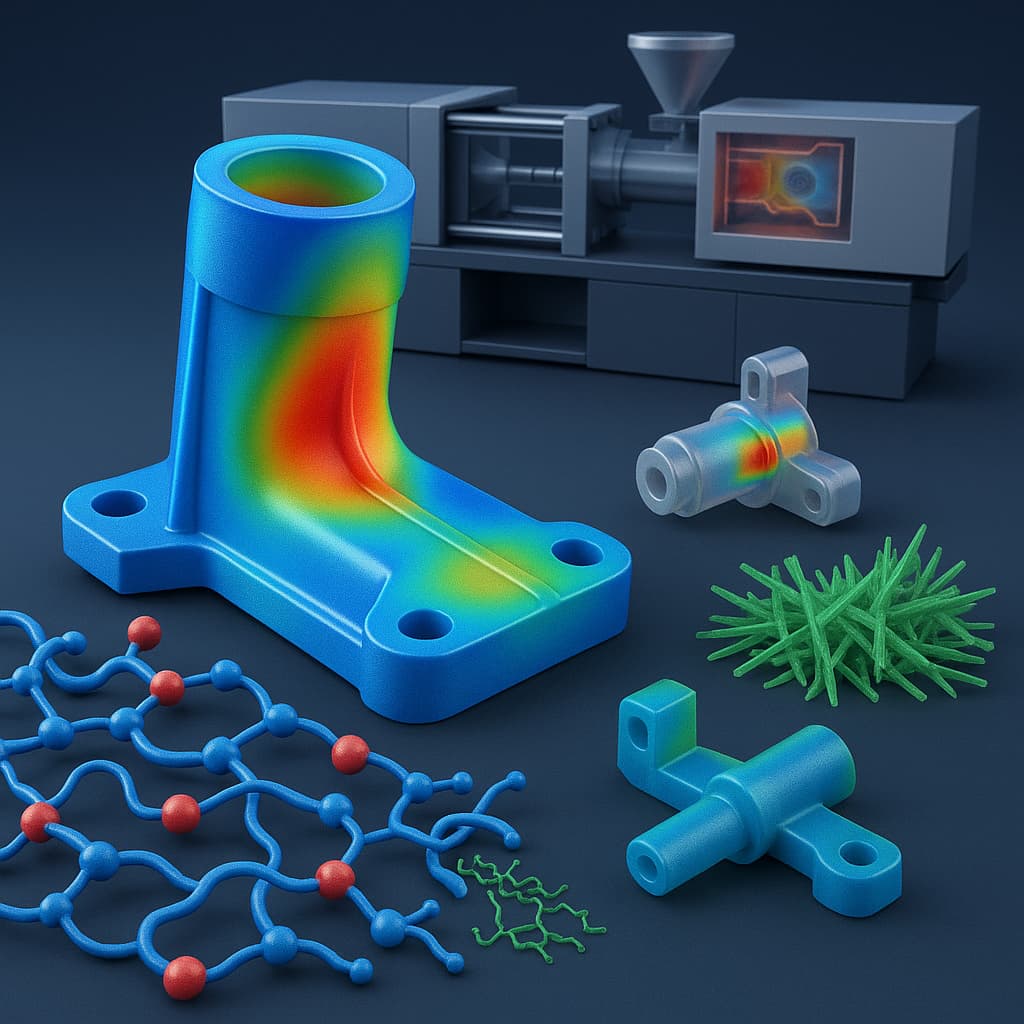
    Nylon materials are highly susceptible to internal stress during injection molding, primarily due to molecular orientation, uneven cooling shrinkage, and poor additive dispersion. Excessive internal stress can lead to deformation, cracking, and deterioration of performance. To address this issue, modification technologies play a critical role. On the molecular level, incorporating flexible segments or impact modifiers helps reduce brittleness and mitigate stress concentration. Commonly used toughening agents include elastomers, thermoplastic elastomers, or graft-modified materials, which form phase-separated structures within the nylon matrix, effectively absorbing and redistributing stress. Glass fiber reinforcement significantly improves the strength and rigidity of nylon, yet it can also introduce internal stress. Controlling fiber length, content, and distribution is essential. While long fibers provide higher strength, they also induce greater shrinkage differences during cooling. Short fibers can improve dimensional stability, and surface treatments with coupling agents can enhance interfacial compatibility, thus minimizing stress concentration. From a processing perspective, mold design and molding parameters are equally important. Gate position, cooling system design, and molding temperature and pressure curves determine stress distribution within the part. Proper gate design ensures uniform melt flow and reduces molecular orientation. Higher mold temperatures extend relaxation time for molecular chains, lowering residual stress. Post-molding annealing is another effective approach, allowing molecular chains to rearrange under conditions near nylon’s glass transition temperature, thereby relieving residual stress from rapid cooling. In terms of additive systems, lubricants and nucleating agents can also be applied. Lubricants improve melt flowability and reduce friction-induced defects, while nucleating agents regulate crystallization rate and grain size, ensuring uniform shrinkage during cooling and minimizing stress concentration. All in all, reducing internal stress in nylon injection molded parts requires a combination of material modification and process optimization. Toughening, reinforcement, lubrication, and crystallization control can enhance stress distribution on a molecular level, while appropriate molding parameters and post-processing further stabilize performance. This integrated approach not only enhances the application value of nylon but also lays the foundation for its adoption in high-performance engineering applications.
    Read More
  • Long Glass Fiber vs. Short Glass Fiber Reinforced Nylon: A Full Comparison of Mechanical and Processing Differences
    Long Glass Fiber vs. Short Glass Fiber Reinforced Nylon: A Full Comparison of Mechanical and Processing Differences
    Sep 04, 2025
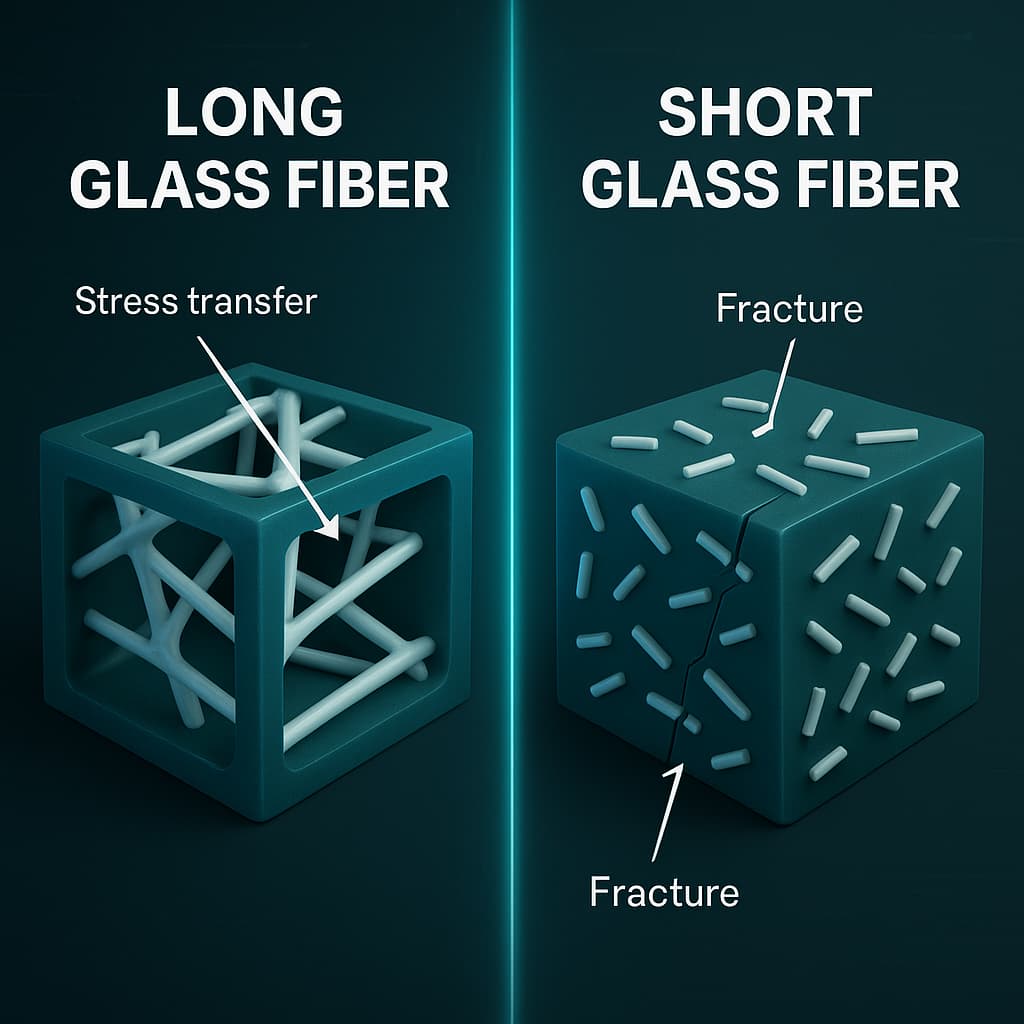
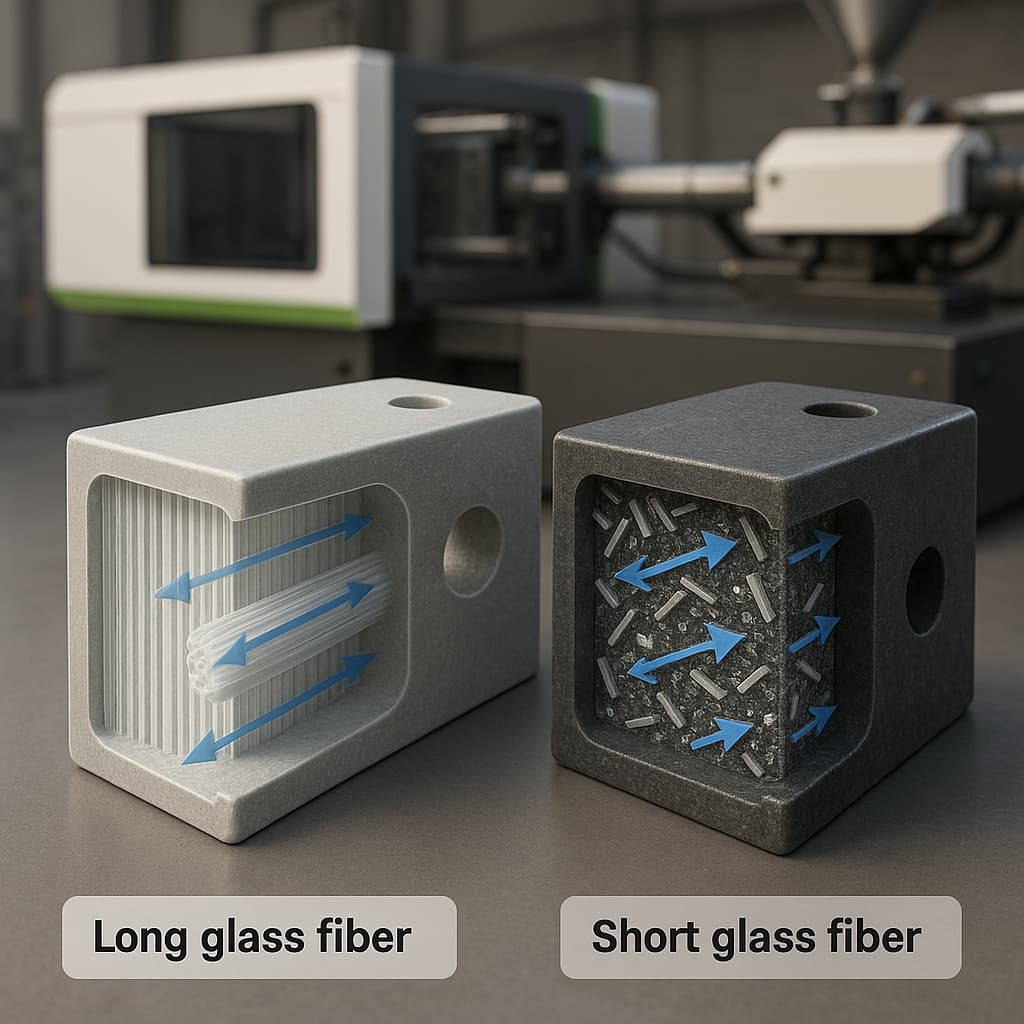
    Glass fiber reinforcement is one of the most common and effective modification methods in engineering plastics. Nylon, as a high-performance resin, is often reinforced with glass fibers to improve strength, rigidity, and heat resistance. The differences between long glass fiber (LGF) and short glass fiber (SGF) reinforcement go beyond mechanical properties, influencing processing, dimensional stability, surface quality, and long-term performance. From a mechanical standpoint, LGF-reinforced nylon outperforms SGF in strength and toughness. Long fibers form a skeleton-like structure within the resin matrix, allowing better stress transfer and dispersion. As a result, flexural strength, impact resistance, and fatigue performance are significantly enhanced. In contrast, SGF reinforcement, while beneficial, is limited due to shorter fibers, which are more prone to breakage under heavy loads. Therefore, LGF nylon is widely used in structural components requiring durability and impact resistance, such as automotive parts, power tool housings, and industrial machinery. In terms of dimensional stability, SGF-reinforced nylon shows more uniform shrinkage. LGF tends to orient during injection molding due to its longer fibers, which can lead to anisotropic shrinkage, warpage, and internal stresses. This makes SGF materials more suitable for applications demanding precise dimensions and smooth surface quality, such as electronic connectors, appliance housings, and precision components. Processing behavior also differs significantly. SGF-reinforced nylon behaves more like conventional injection-molding resins, with better flowability and lower wear on molds. LGF, however, poses challenges: its longer fibers can break during processing, requiring specialized wear-resistant equipment such as hardened screws and nozzles. While this raises production costs, the resulting parts exhibit superior mechanical stability and longer performance retention. Regarding long-term properties, LGF-reinforced nylon is clearly superior. With fibers approaching critical length, a three-dimensional interlocking network is formed within the matrix, granting better creep resistance and fatigue endurance. Components exposed to high loads, elevated temperatures, or harsh environments retain their properties longer with LGF. SGF-reinforced nylon, on the other hand, shows faster degradation under prolonged stress or in humid conditions. From a cost perspective, SGF nylon is more economical due to mature production processes and easier processing, making it suitable for large-scale applications. LGF nylon, while more expensive, delivers performance levels that justify its use in high-value and demanding applications. The choice ultimately depends on balancing cost with performance requirements. All in All,LGF and SGF reinforced nylons are not competitors but complementary solutions. LGF provides superior strength and durability for structural applications, while SGF offers better processability and dimensional accuracy for precision and aesthetic applications. Selecting the right material depends on the specific demands of the end product.
    Read More
  • Nylon Alloys: How Do PA/PP and PA/ABS Achieve Performance Complementarity?
    Nylon Alloys: How Do PA/PP and PA/ABS Achieve Performance Complementarity?
    Sep 04, 2025
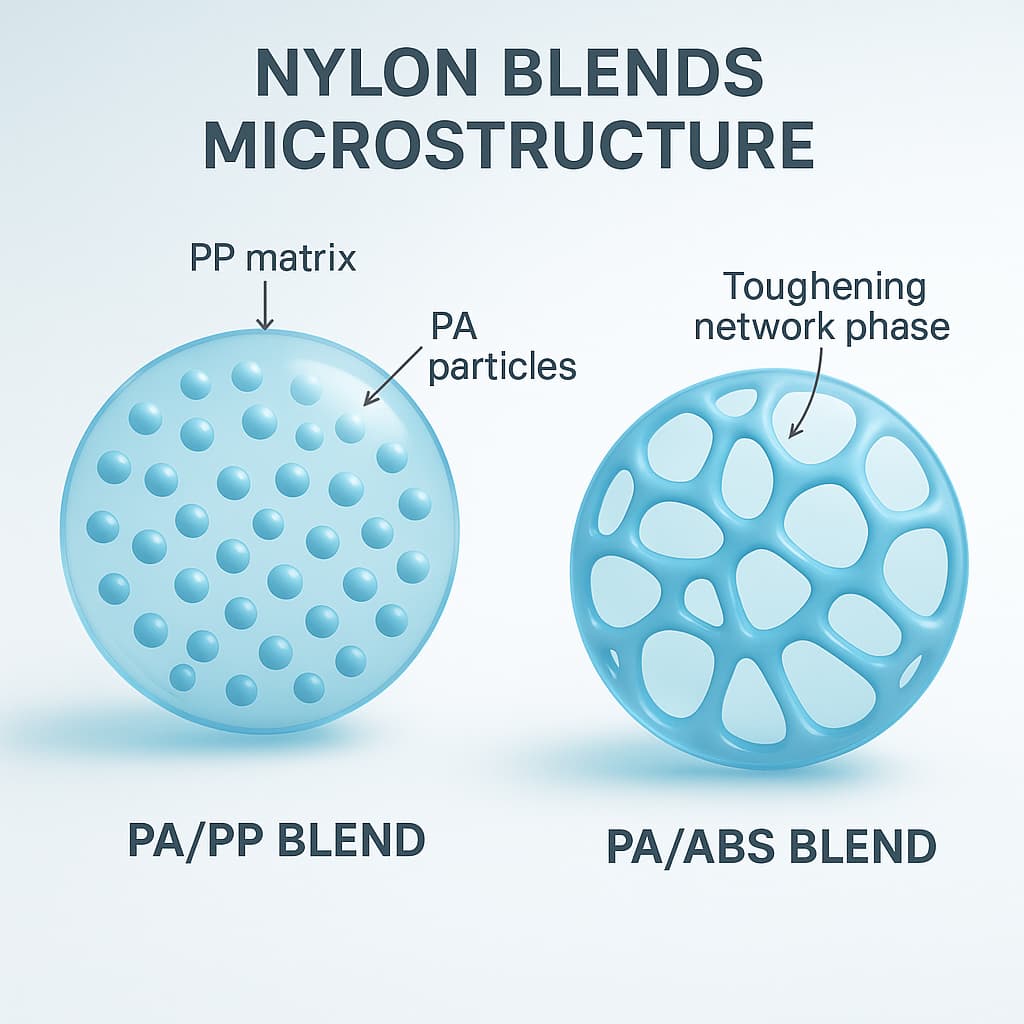
    Nylon, known for its excellent strength, toughness, and wear resistance, has long been a cornerstone in the field of engineering plastics. However, its drawbacks—such as high moisture absorption, limited dimensional stability, and relatively high processing energy consumption—cannot be ignored. To overcome these limitations, researchers have focused on blending nylon with other resins to enhance its performance. Among various systems, PA/PP and PA/ABS alloys are the most representative, achieving performance complementarity in strength, toughness, chemical resistance, and cost-efficiency. In PA/PP blends, nylon contributes strength and heat resistance, while polypropylene offers low moisture absorption, superior chemical stability, and cost advantages. The main challenge lies in the poor compatibility due to polarity differences. To resolve this, compatibilizers such as maleic anhydride-grafted polypropylene (PP-g-MA) are introduced. These compatibilizers enable finer phase dispersion, improving impact resistance and dimensional stability while reducing water absorption. As a result, PA/PP alloys are widely used in automotive interiors, bumpers, and appliance housings, combining strength with cost reduction. In contrast, PA/ABS blends focus more on toughness improvement. Nylon provides high strength, while ABS delivers outstanding impact resistance, making the combination ideal for parts requiring both properties. Compatibilizers such as styrene–maleic anhydride copolymers (SMA) or maleic anhydride-grafted ABS play a critical role in strengthening interfacial bonding, which enhances energy absorption under stress. Applications range from sports equipment to electronic components and structural parts, where balanced mechanical performance is essential. Processing advantages are another benefit of nylon alloys. Pure nylon often suffers from shrinkage, warpage, and dimensional instability due to moisture absorption during injection molding. Blending with PP or ABS reduces these issues significantly, improving molding stability and production efficiency. For manufacturers, this translates into lower scrap rates and higher economic returns. Looking forward, the development of nylon alloys will emphasize sustainability and multifunctionality. Bio-based polypropylene or renewable ABS may replace traditional resins to meet environmental goals, while flame retardants, conductive fillers, or reinforcing fibers can be introduced to expand applications. This evolution aligns with global trends toward eco-friendly, high-performance materials for electric vehicles, 5G communication devices, and intelligent manufacturing. In conclusion, PA/PP and PA/ABS alloys represent more than a compromise; they embody true performance complementarity enabled by compatibilizers and advanced processing. By combining nylon’s strength with improved toughness, reduced moisture absorption, and enhanced processing stability, these alloys secure their irreplaceable role in modern industry.  
    Read More
  • Poor Dimensional Stability in Hygroscopic Nylon? Comparison of 4 Drying Processes and Moisture Control Standards
    Poor Dimensional Stability in Hygroscopic Nylon? Comparison of 4 Drying Processes and Moisture Control Standards
    Aug 28, 2025
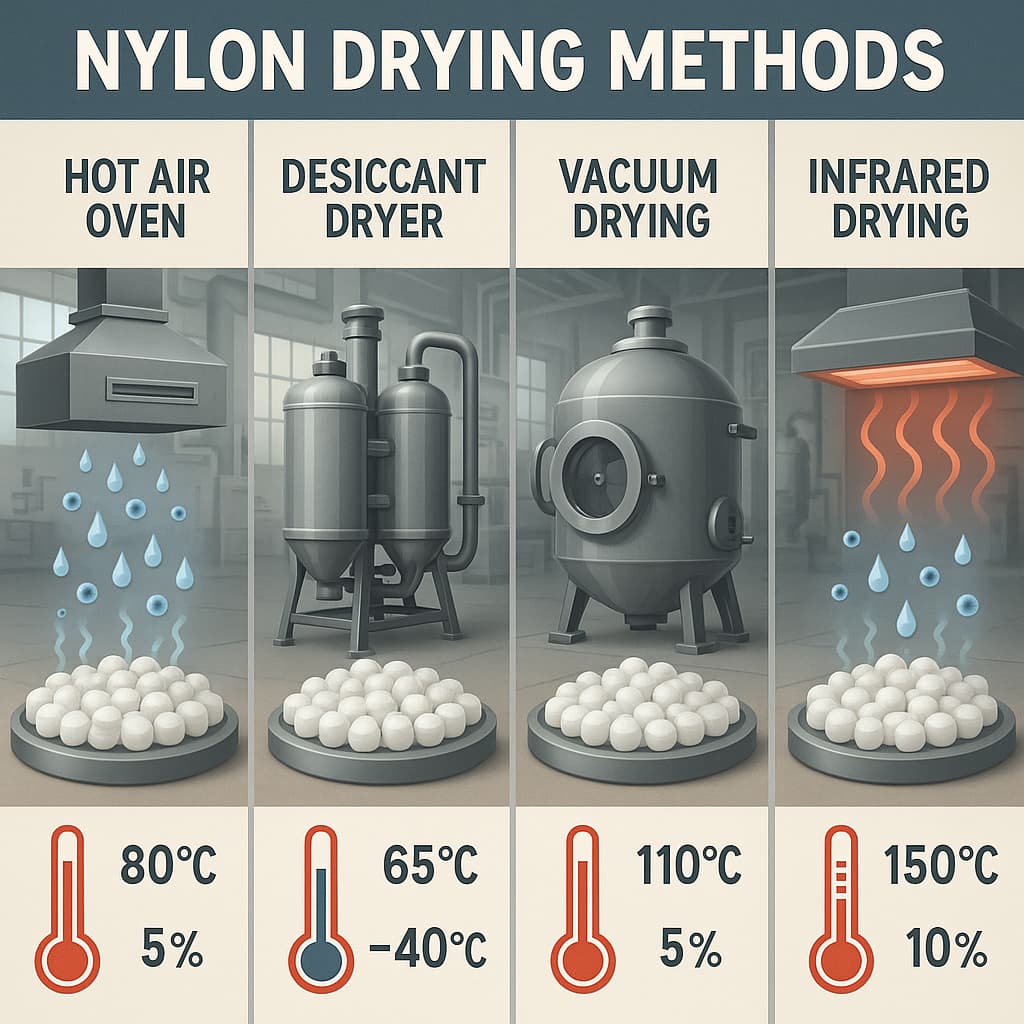
    Nylon as a high-performance engineering plastic, is widely used in automotive, electronics, electrical, and mechanical industries due to its excellent comprehensive properties. However, the presence of numerous amide groups in its molecular chain imparts strong polarity, making nylon prone to moisture absorption through hydrogen bonding. This inherent hygroscopicity affects not only dimensional stability but also alters mechanical properties and even degrades electrical performance, posing a potential risk for precision and long-term applications. Therefore, strict drying before processing is critical to ensuring product quality. Moisture influences nylon in two ways. First, water acts as a plasticizer, lowering the glass transition temperature, softening the material, accelerating creep, and reducing dimensional accuracy. Second, under high-temperature melt conditions, residual moisture causes hydrolysis, breaking polymer chains, reducing molecular weight, and significantly weakening mechanical performance. For injection molding, excessive moisture results in splay marks, bubbles, and poor surface gloss; for extrusion and fiber spinning, moisture compromises tensile strength and long-term reliability. Industry standards generally require moisture content below 0.12% before processing, and for precision parts, under 0.08%. Common drying technologies include hot-air ovens, desiccant dryers, vacuum dryers, and infrared drying, each with its own advantages and limitations. Traditional hot-air ovens heat the surrounding air to reduce humidity and evaporate moisture, offering low cost but slow drying speed and inconsistent results in humid environments, often causing reabsorption. Desiccant dryers use adsorbents or rotor systems to lower air dew point below -30°C, providing efficient and consistent drying, making them the most common industrial choice. Vacuum drying reduces pressure to lower the boiling point of water, enabling rapid moisture removal with thorough results, but higher equipment cost and limited suitability to small batches. Infrared drying uses high-energy radiation to penetrate and heat resin granules internally, offering the fastest drying speed and low energy consumption, though it requires careful process control to prevent local overheating or thermal degradation. The choice of drying process depends on production scale, cost, energy consumption, and product requirements. For large-scale injection molding, desiccant dryers are preferred for their stability and automation, while vacuum or infrared drying suits R&D, small batches, or time-critical operations. Regardless of method, strict moisture verification with infrared analyzers or Karl Fischer titration is essential. Additionally, dried nylon must be stored and transported in sealed containers and closed systems to prevent reabsorption. Controlling nylon moisture content is not only key to ensuring dimensional accuracy and mechanical strength but also critical for long-term stability and electrical performance. With the rise of smart manufacturing, future drying systems will incorporate real-time monitoring and closed-loop control, achieving higher precision and energy efficiency to meet stringent performance requirements of advanced engineering plastics.
    Read More
  • Long Glass Fiber vs. Short Glass Fiber Reinforced Nylon: Complete Comparison of Mechanical Performance and Processing Differences
    Long Glass Fiber vs. Short Glass Fiber Reinforced Nylon: Complete Comparison of Mechanical Performance and Processing Differences
    Aug 28, 2025
    Glass fiber-reinforced nylon is a key category in high-performance engineering plastics, where fiber reinforcement significantly improves mechanical strength, dimensional stability, and heat resistance. However, the choice between long glass fiber (LGF) and short glass fiber (SGF) is not trivial, as their differences extend beyond strength enhancement to include processing behavior, surface quality, and long-term durability. Long glass fiber reinforced nylon stands out for its superior mechanical properties. With fiber lengths generally exceeding 10 mm and sometimes reaching 25 mm, these fibers partially retain their original length during molding, creating a three-dimensional skeleton effect. This structure greatly enhances impact resistance, flexural strength, and fatigue life. In contrast, short glass fibers typically measure 0.2–0.4 mm and are more prone to breakage during melt flow, resulting in higher stiffness but limited toughness improvement. Therefore, LGF nylon is widely used in automotive structural components, power tool housings, and sporting goods, especially where lightweight yet strong materials are critical. Processing characteristics present another significant difference. Due to longer fiber length, LGF compounds exhibit lower flowability, requiring careful gate and wall thickness design to avoid short shots or fiber orientation defects. Mold wear is more severe with LGF, necessitating hardened screws and barrels, and lower screw speeds to minimize fiber breakage. Conversely, SGF nylon offers better flow characteristics, making it suitable for thin-wall complex geometries and enabling higher production efficiency with reduced mold wear. Surface quality is often a decisive factor. LGF-reinforced parts tend to exhibit fiber exposure, causing a rough surface appearance, which is undesirable for aesthetic components. SGF-reinforced nylon achieves better surface finish and can undergo secondary finishing processes like painting or electroplating. Thus, LGF solutions are best for hidden structural or functional parts, while SGF is preferred for visible components. Regarding fatigue and creep performance, LGF nylon maintains strength and toughness under cyclic loading due to its continuous fiber network, outperforming SGF materials in fatigue life and creep resistance. This makes LGF suitable for suspension brackets and load-bearing connections, whereas SGF under long-term static loads may experience stress relaxation and dimensional inaccuracies. In summary, both LGF and SGF reinforced nylons have unique benefits. For applications demanding superior strength, impact performance, and fatigue resistance, LGF should be prioritized. For components with complex geometry, high surface quality requirements, or where manufacturing efficiency is key, SGF remains the cost-effective option. Optimal material selection depends on balancing design requirements, processing capabilities, and end-use conditions.
    Read More
  • How Flame-Retardant Nylon Achieves Self-Extinguishing: Mechanisms and Flame Retardant Principles
    How Flame-Retardant Nylon Achieves Self-Extinguishing: Mechanisms and Flame Retardant Principles
    Aug 21, 2025
    Nylon as a representative engineering plastic, is widely used in automotive components, electrical devices, and construction materials. However, due to its hydrocarbon backbone and amide groups, nylon is inherently flammable. Once ignited, it burns rapidly and may produce molten drips. For applications demanding high fire safety—such as electrical connectors, appliance housings, and automotive under-hood parts—pure nylon alone is insufficient. Flame-retardant nylon capable of self-extinguishing once the flame source is removed, provides a critical solution. But how is this self-extinguishing property achieved? The fundamental mechanism lies in disrupting the chain reactions of combustion. Burning is essentially a process involving heat, free radicals, and oxygen. When the polymer decomposes, flammable volatiles react with oxygen to sustain the flame. Flame retardants act by interfering with this cycle. Some absorb heat, lowering the temperature; others release inert gases to dilute oxygen concentration; still others form a char layer that shields the polymer from oxygen and heat. In nylon, the main flame retardant systems include halogenated, phosphorus-based, nitrogen-based, and inorganic fillers. Halogenated retardants, such as brominated and chlorinated compounds, release hydrogen halides during combustion, scavenging free radicals and terminating the chain reaction. Although effective, their toxicity and environmental concerns have led to restrictions in many industries. Phosphorus-based flame retardants are now widely adopted. Upon decomposition, they produce phosphoric or polyphosphoric acids that promote char formation on the surface. The char layer blocks oxygen and heat transfer while reducing volatile release. Some phosphorus retardants also act in the gas phase, capturing free radicals for a dual effect. Nitrogen-based retardants, such as melamine and its derivatives, work by releasing inert gases like nitrogen or ammonia during combustion. This dilutes oxygen in the flame zone and slows burning. Phosphorus-nitrogen synergistic systems are particularly effective, delivering strong flame retardancy at relatively low loading levels. Inorganic flame retardants such as aluminum hydroxide and magnesium hydroxide decompose endothermically at high temperatures, releasing water vapor to cool and dilute the system. Though they require high loading, they are non-toxic and environmentally friendly, making them suitable for green flame-retardant nylon. In practice, engineers often use tailored combinations. For electrical insulation, low-smoke halogen-free systems are preferred, typically phosphorus-nitrogen blends. In automotive components, balancing flame resistance with mechanical strength often requires glass fiber reinforcement with phosphorus-based retardants. The self-extinguishing performance of flame-retardant nylon is commonly evaluated through standard tests such as UL94. Depending on whether the sample extinguishes quickly and avoids igniting cotton with dripping, materials are rated from HB to V-2, V-1, or the highest rating, V-0. These classifications are essential for product acceptance in safety-critical applications. Looking ahead, stricter environmental regulations are driving halogen-free and low-smoke flame-retardant systems. Advanced phosphorus-nitrogen synergistic formulations, nano-scale retardants, and self-charring additives are emerging as next-generation solutions. They not only enhance safety but also expand nylon’s role in electric vehicles, 5G communication devices, and smart home applications. Thus, flame-retardant nylon’s ability to self-extinguish arises from the combined physical and chemical effects of flame retardants. Understanding these mechanisms allows engineers to optimize formulations that balance flame retardancy, mechanical strength, and environmental performance, ensuring nylon’s continued relevance in safety-critical fields.
    Read More
  • The Moisture Absorption Problem of Nylon: Why Does It Become Brittle, Deformed, and Fail?
    The Moisture Absorption Problem of Nylon: Why Does It Become Brittle, Deformed, and Fail?
    Aug 21, 2025
    Nylon is one of the most widely used engineering plastics, valued for its strength, toughness, and wear resistance in industries such as automotive, electronics, and consumer goods. However, its molecular structure contains a large number of amide groups, which have a strong affinity for water molecules. This intrinsic feature makes nylon highly hygroscopic, and when exposed to humid environments, it readily absorbs moisture. Such moisture absorption significantly affects both mechanical properties and dimensional stability, often leading to unexpected failures. When nylon absorbs moisture, water molecules penetrate the intermolecular spaces and form hydrogen bonds. This process weakens the original hydrogen bonding between chains and increases molecular mobility. In the short term, toughness and impact resistance may improve, but tensile strength decreases over time. In structural components, repeated cycles of swelling and shrinkage during humidity changes introduce residual stresses that can cause warpage, deformation, and cracking. In electronics, moisture-induced dimensional changes may compromise precision, disrupt assembly tolerances, and even cause electrical contact failure. In automotive applications, nylon parts such as gears and connectors may lose strength due to water absorption, resulting in reduced fatigue life or sudden failure. Under alternating hot and cold conditions, the freezing or evaporation of absorbed water further amplifies these destructive effects. Moisture absorption also lowers the glass transition temperature of nylon, causing it to shift from a rigid state to a softer, unstable one. For applications requiring long-term stiffness, this is highly detrimental. When the absorbed water eventually evaporates, the material becomes brittle again, concentrating stresses and promoting cracking. This alternating cycle of embrittlement and deformation makes nylon components prone to unpredictable failure in real-world conditions. Several solutions have been developed to address nylon’s hygroscopicity. Copolymerization, such as PA6/66 copolymers or the introduction of hydrophobic monomers, can reduce the number of polar groups. Reinforcement with glass or carbon fibers helps limit swelling and improve dimensional stability. Surface coatings or barrier layers can reduce water penetration. In manufacturing, thorough drying before molding is essential to maintain low moisture content. For demanding environments, high-performance modified nylons such as PA6T or PA9T offer significantly lower water absorption due to their denser molecular structures. Nylon’s moisture absorption issue is the combined result of its molecular structure and environmental factors. It may increase toughness in the short term but compromises strength and dimensional stability in the long run. Engineers must account for the dynamic impact of moisture and adopt suitable modification and design strategies. Only by understanding the mechanisms thoroughly can nylon components maintain reliable performance under complex operating conditions.
    Read More
1 2 3 4 5 6 7
A total of7pages

Leave a Message

Leave a Message
If you are interested in our products and want to know more details,please leave a message here,we will reply you as soon as we can.
submit

Home

Products

WhatsApp

contact