Our company

Modified nylon

Home

Modified nylon

  • How to Correctly Interpret Nylon Thermal Aging Test Results Beyond Retention Rate?Section2
    How to Correctly Interpret Nylon Thermal Aging Test Results Beyond Retention Rate?Section2
    Mar 11, 2026
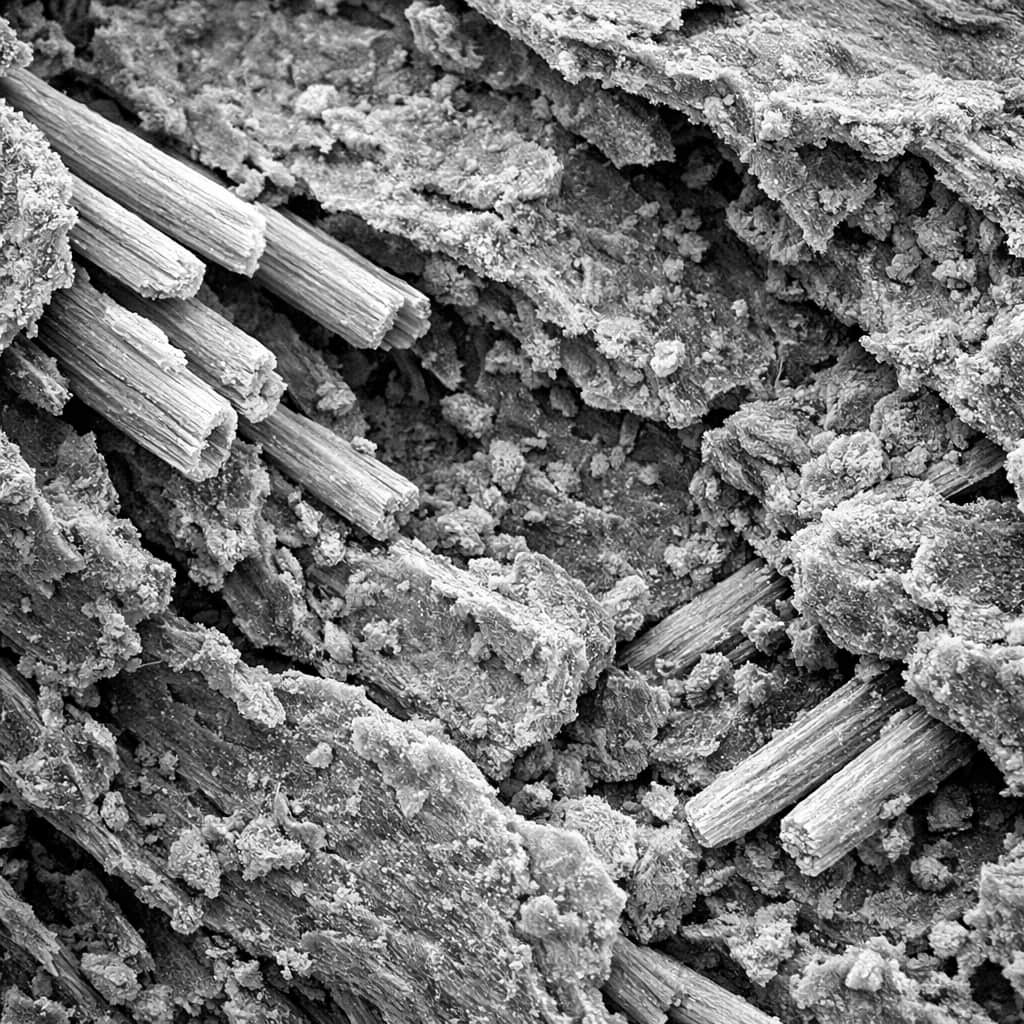
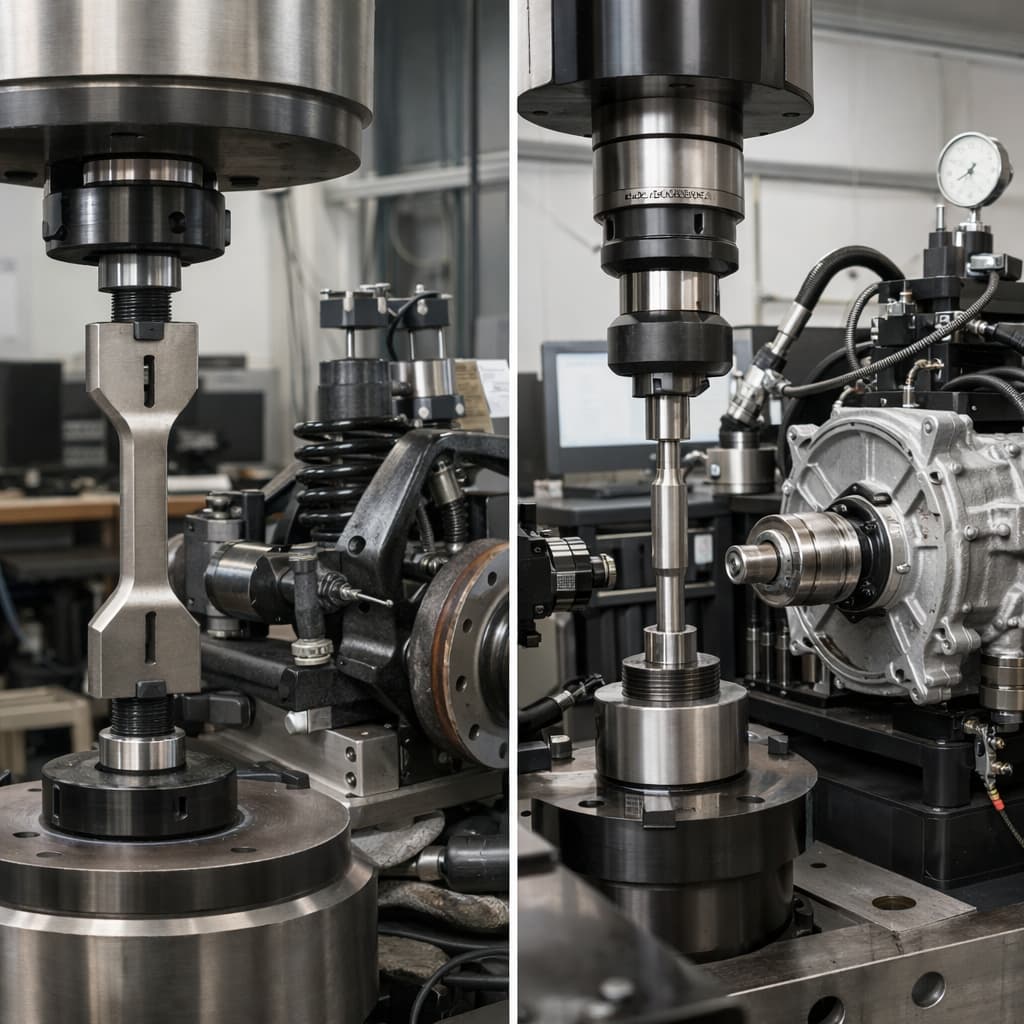
    Another frequently overlooked factor is impact performance. Many reports emphasize tensile strength retention, but in structural applications the real risk often lies in brittle fracture. After prolonged thermal aging, nylon materials may transition from ductile failure to brittle failure. This transition might not be evident in tensile tests but becomes clear in impact testing. Therefore, impact retention and fracture behavior should also be evaluated when assessing thermal aging resistance. Glass-fiber reinforced nylon introduces another dimension to aging analysis. Over long periods at elevated temperatures, the fiber-matrix interface may weaken, affecting fatigue resistance and structural integrity. Microscopic examination of fracture surfaces often reveals fiber pull-out after aging, indicating interfacial degradation. Such observations can provide valuable clues that conventional mechanical tests may overlook. Another practical issue arises when engineers compare aging results from different laboratories. Variations in sample thickness, specimen preparation, and aging conditions can significantly affect test outcomes. For instance, oxygen diffusion through thicker specimens is slower, which can alter the apparent degradation rate. For meaningful comparison, aging tests must be conducted under consistent conditions. Experienced material engineers often complement standard thermal aging tests with application-specific validation. In automotive development, thermal cycling or combined heat-humidity aging tests are commonly performed to simulate real service environments. Although these tests require additional resources, they provide a more reliable prediction of long-term durability. Ultimately, properly interpreting nylon thermal aging results requires a multidimensional evaluation framework. Instead of focusing only on retention values, engineers should consider aging curves, impact properties, interfacial stability, and fracture behavior. When laboratory data are interpreted within the context of real engineering conditions, thermal aging reports become far more valuable tools for material selection.
    Read More
  • Which Nylon Test Data Are Most Commonly Misinterpreted During Material Selection? Section2
    Which Nylon Test Data Are Most Commonly Misinterpreted During Material Selection? Section2
    Mar 04, 2026
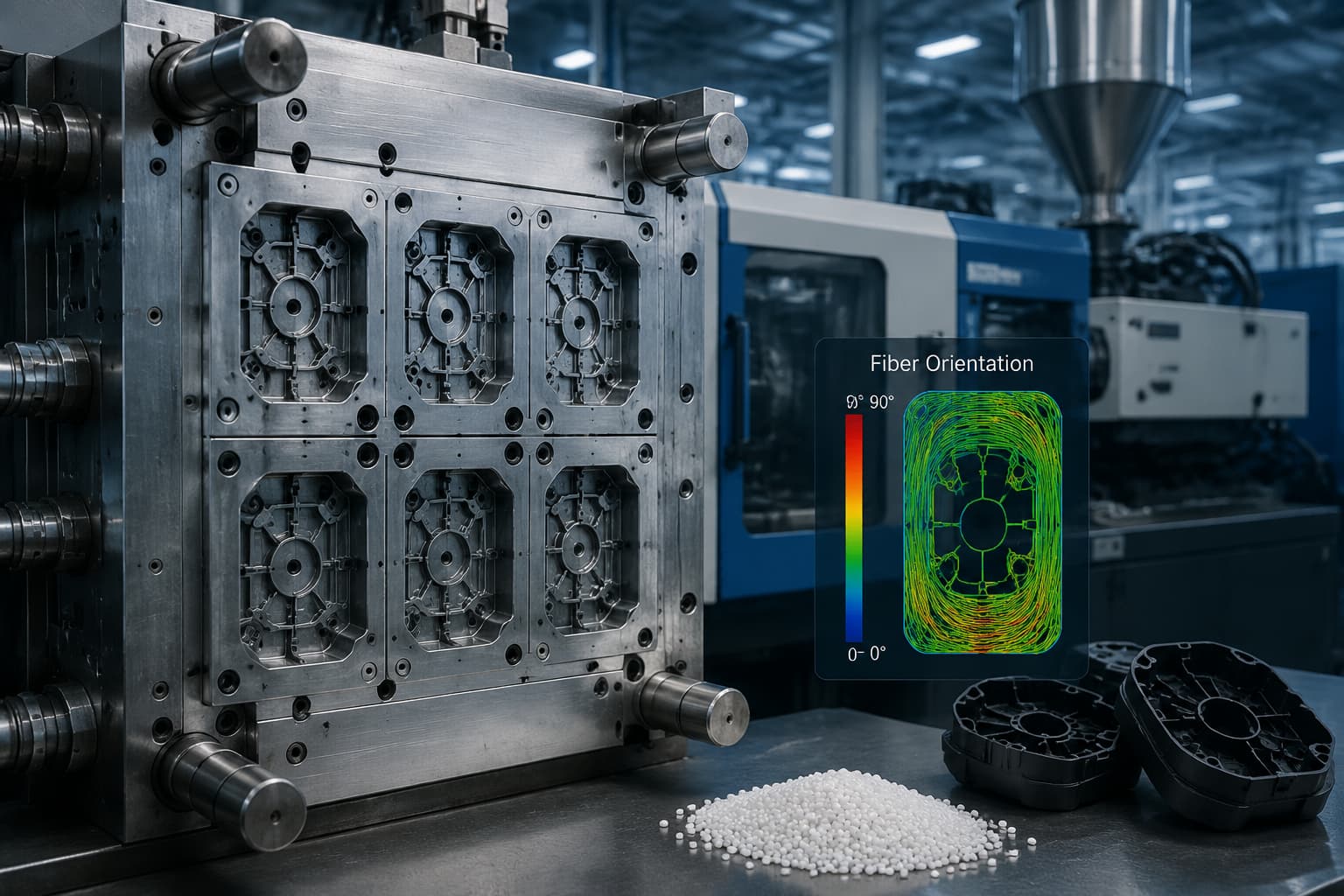
    Impact performance is also commonly oversimplified. Notched Izod or Charpy impact values are often used to represent toughness, yet these tests are highly sensitive to notch geometry and specimen dimensions. In real molded parts, weld lines, fiber orientation, and local stress concentrations are far more complex than standardized notches. Engineering experience shows that a high impact number does not necessarily translate into reliable drop resistance or vibration durability. From an engineering validation perspective, mature material selection processes are shifting from single-value comparisons toward operating-condition mapping. This approach aligns real service temperature, humidity, and load profiles with corresponding test conditions, and when necessary, includes secondary testing or pilot molding trials. Although this method increases upfront effort, it significantly reduces systemic risk during mass production.
    Read More
  • Why Flame-Retardant Nylon That Passes UL94 Still Fails in End-Use Products?Section2
    Why Flame-Retardant Nylon That Passes UL94 Still Fails in End-Use Products?Section2
    Feb 04, 2026
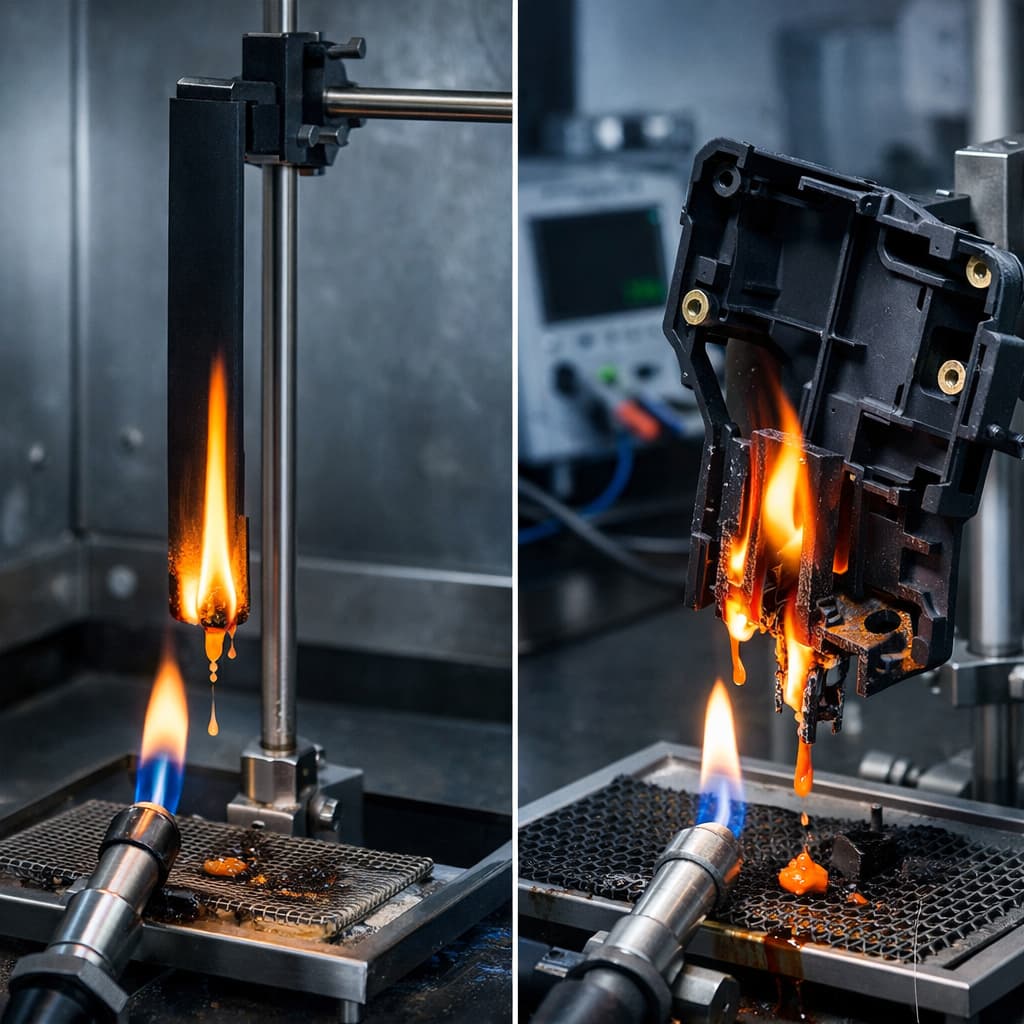
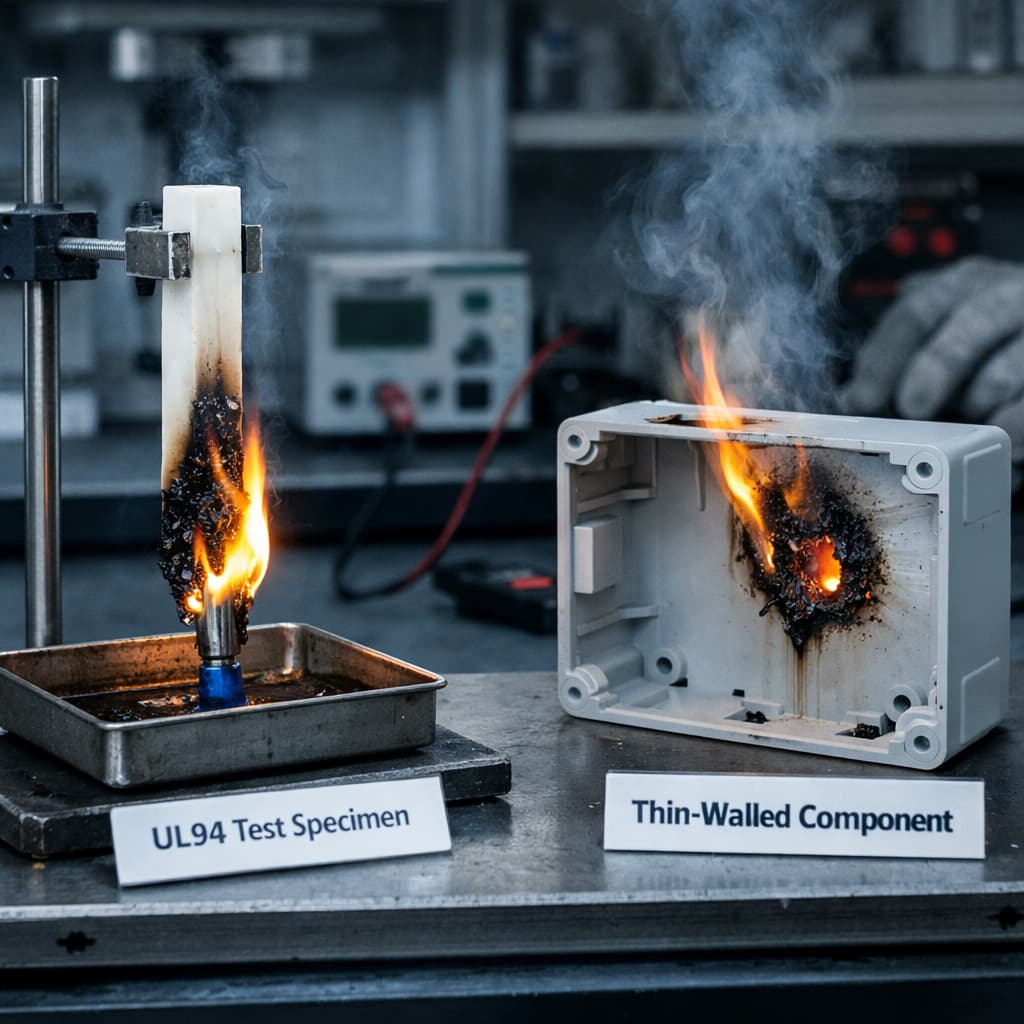
    A significant number of field cases show that passing UL94 does not guarantee flame-retardant reliability at the system level. In multi-material assemblies, flame-retardant nylon components are often placed adjacent to non-flame-retardant plastics such as TPE or PBT. Volatile combustible gases released by neighboring materials during ignition can alter the local flame environment, reducing the self-extinguishing capability of the nylon component. This type of system-level failure cannot be captured by single-material UL94 testing but represents a high-frequency risk in end-use products. Another common source of failure is long-term aging and service environment. UL94 tests are typically performed on new materials and freshly molded parts. In real service, components are exposed to prolonged thermal aging, electrical stress, and humid conditions. Certain additive-type flame retardants may migrate or hydrolyze under high temperature and humidity, leading to reduced surface flame-retardant concentration. In practice, products that initially pass testing may fail after 85℃/85%RH aging, exhibiting dripping or sustained burning. From a validation standpoint, more engineering teams are supplementing UL94 with tests such as GWIT, GWFI, and glow-wire testing on finished components. At the material selection stage, specifying the actual minimum wall thickness and requesting flame-retardant data at that thickness, rather than relying on the “best-case” thickness in certification reports, has proven effective in reducing end-use failure risk.
    Read More
  • Why Flame-Retardant Nylon That Passes UL94 Still Fails in End-Use Products?Section 1
    Why Flame-Retardant Nylon That Passes UL94 Still Fails in End-Use Products?Section 1
    Feb 04, 2026
    In applications such as electrical and electronic devices, industrial control systems, and new energy vehicles, flame-retardant nylon is often considered a default material choice. When a material achieves a UL94 V-0 or V-1 rating during the selection phase, it is commonly assumed that regulatory and safety requirements have been fully satisfied. However, failures such as sustained burning, molten dripping, or secondary ignition are still frequently observed during final product certification, customer audits, or even real service conditions. These failures are rarely caused by a single factor; instead, they result from gaps between standardized material testing and real engineering application. In real engineering scenarios, UL94 testing is conducted on standardized specimens with strictly controlled thickness, orientation, and ignition conditions. Actual molded parts, however, often feature complex geometries including ribs, thin walls, inserts, and multi-directional weld lines. When the minimum wall thickness of a component falls below the thickness used for UL94 certification, the effectiveness of the flame-retardant system changes fundamentally. The protective char layer formed during combustion may no longer develop continuously, leading to rapid burn-through in localized thin sections. This phenomenon is particularly common in relay housings, terminal supports, and connector components. From a material perspective, the UL94 rating of a flame-retardant nylon is not an intrinsic property but the result of interactions between the flame-retardant system, the base polymer, filler content, and processing history. In PA66-based systems, for example, flame retardancy relies heavily on the formation of a dense char layer during combustion. This process is highly sensitive to moisture content, shear heat, and molecular weight distribution. Excessive melt temperature or prolonged residence time during injection molding can partially degrade the flame-retardant additives. As a result, standard UL94 specimens may still pass, while complex molded parts lose stable self-extinguishing behavior.
    Read More
  • Is Higher Glass Fiber Content Always Better? An Analysis of Mold Life Issues Caused by Over-Reinforcement Section2
    Is Higher Glass Fiber Content Always Better? An Analysis of Mold Life Issues Caused by Over-Reinforcement Section2
    Jan 29, 2026
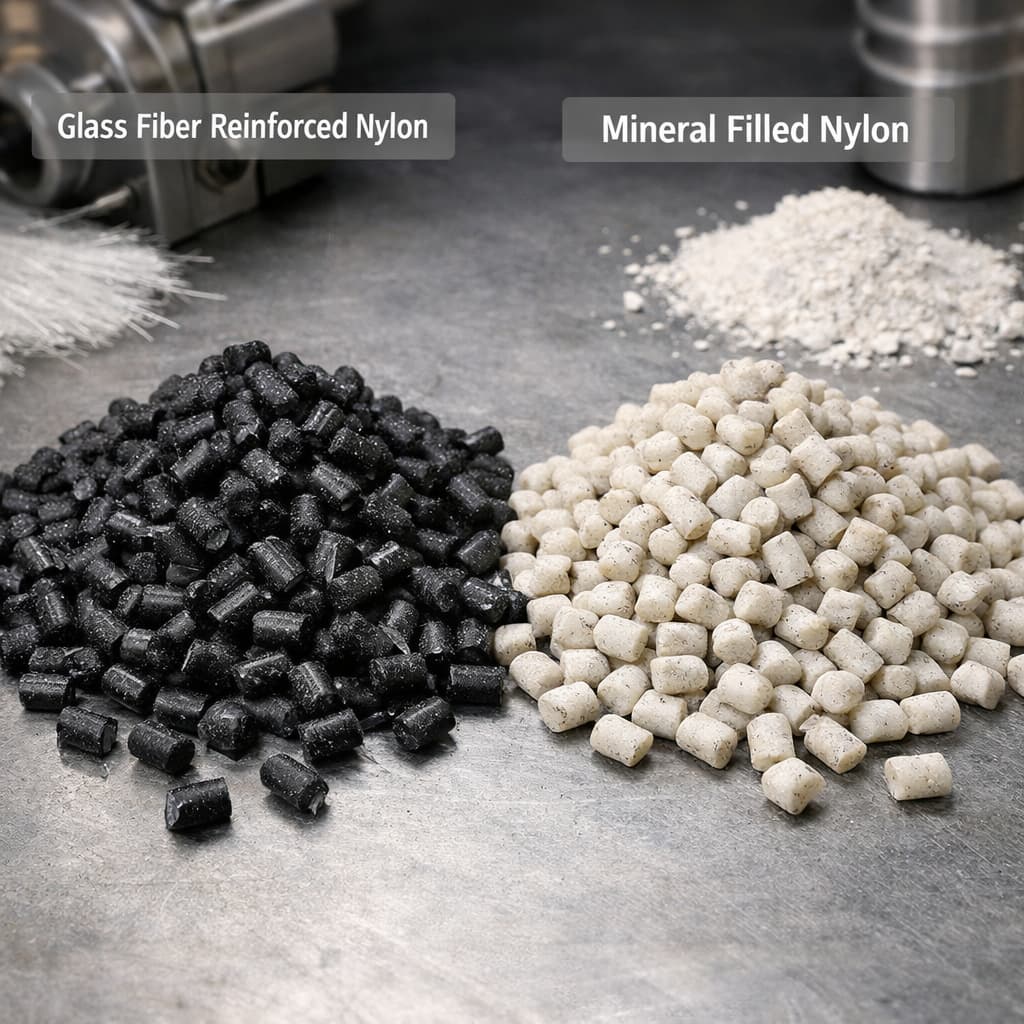
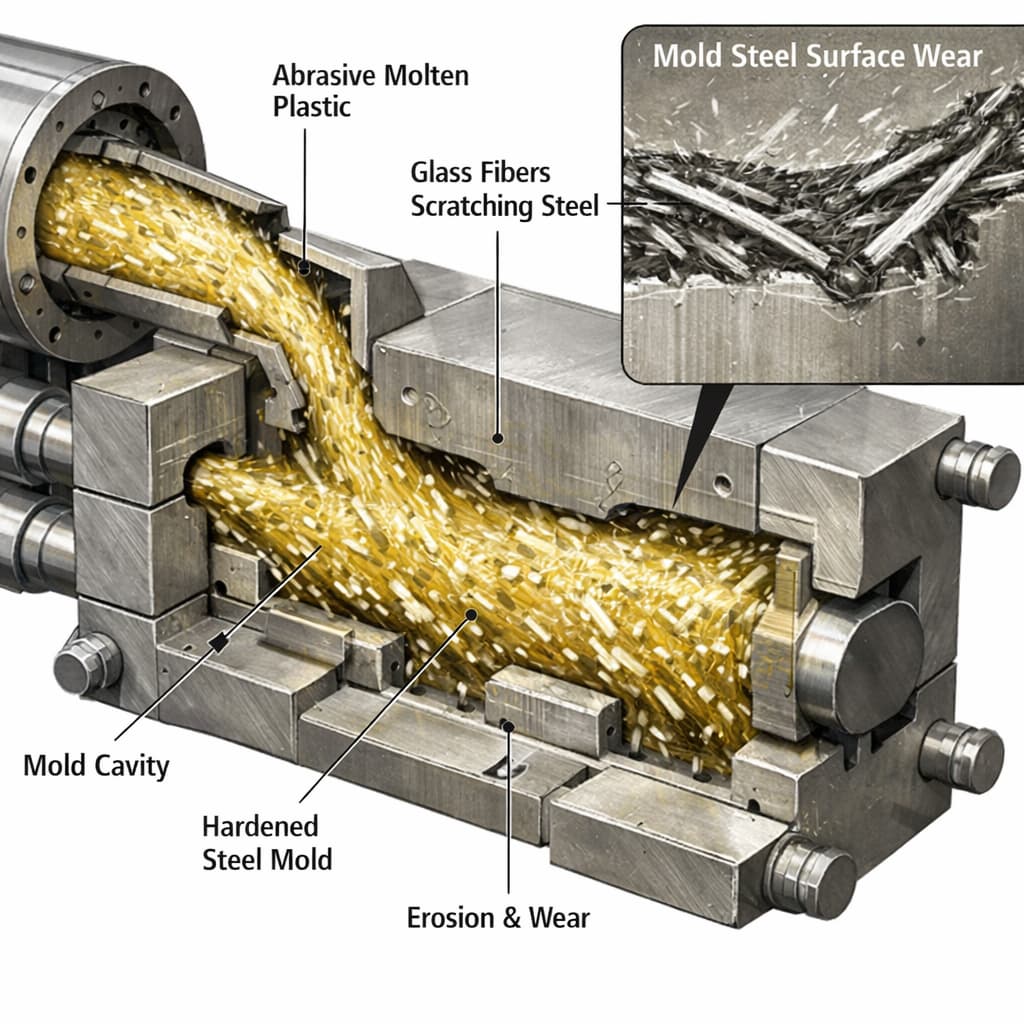
    Processing data indicate that, under identical tooling and processing conditions, PA66 GF40 exhibits a mold wear rate 1.6–1.8 times higher than GF30, particularly in high-flow regions. Additionally, high glass fiber systems demand higher injection pressure and speed, further intensifying abrasive effects. Beyond mechanical abrasion, excessive reinforcement also accelerates thermal fatigue of molds. Reduced thermal uniformity causes larger temperature gradients per molding cycle, increasing micro-crack initiation risks, especially in standard H13 or P20 tool steels. Industrial experience shows that many failures originate not from insufficient material strength, but from over-reliance on high glass fiber content. In one connector application, increasing fiber content from GF35 to GF50 reduced mold life from an expected 800,000 cycles to less than 300,000 cycles, increasing hidden manufacturing costs by over 20%. Ultimately, glass fiber content selection is a balance between structural performance, processing stability, and manufacturing economics rather than a pursuit of maximum reinforcement.
    Read More
  • Why Does PA66 Fail More Easily Than PPA in Certain High-Temperature Electrical Applications? Section2
    Why Does PA66 Fail More Easily Than PPA in Certain High-Temperature Electrical Applications? Section2
    Jan 21, 2026
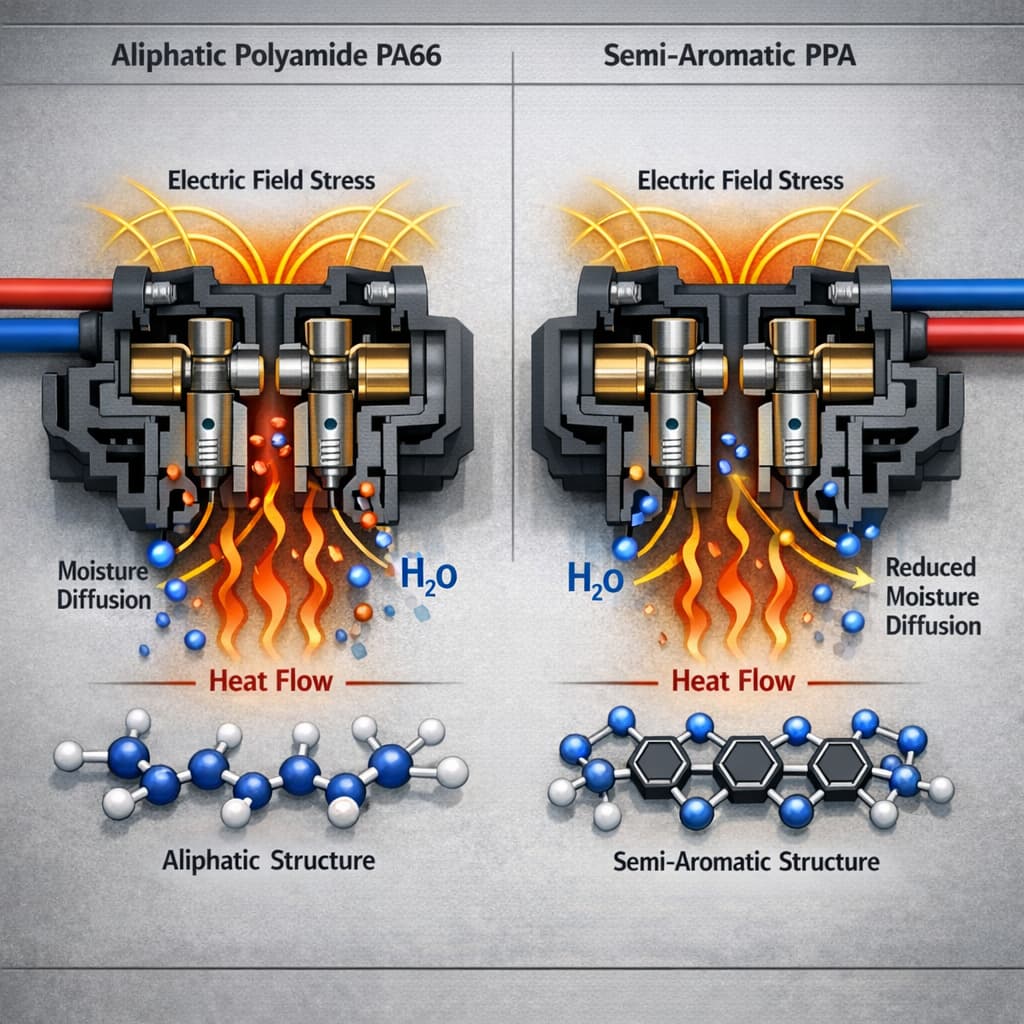
    Moisture absorption is another factor that is frequently underestimated. Even in glass fiber reinforced or flame-retardant grades, PA66 retains a higher equilibrium moisture content than semi-aromatic polyamides. In electrical environments, absorbed moisture does more than cause dimensional change; under an electric field, it contributes to conductive path formation, accelerating the decline in volume resistivity. This explains why PA66 components may perform well in dry-state testing but approach critical limits after hydrothermal aging. PPA behaves differently due to its semi-aromatic molecular structure. The introduction of aromatic rings restricts chain mobility and stabilizes the polymer network at elevated temperatures. As a result, PPA generally exhibits more stable electrical properties during long-term thermal exposure. Its lower moisture absorption further slows performance degradation in humid conditions. Engineering test data reflects this trend. After 1000 hours of aging at 150°C, glass fiber reinforced PA66 often shows a pronounced drop in volume resistivity, sometimes exceeding one order of magnitude. Under comparable reinforcement conditions, PPA compounds typically exhibit more moderate and controllable degradation. Similar tendencies can be observed in CTI performance. This does not imply that PA66 is unsuitable for high-temperature electrical applications. The challenge lies in correctly defining its application limits. When long-term thermal exposure, electrical stress, and high reliability requirements coexist, the safety margin of PA66 becomes narrower. The advantage of PPA lies not in peak performance values, but in its stability over the entire service life.
    Read More
  • Safety Requirements for Modified Nylon in Food Machinery: An Analysis of FDA and LFGB Standards
    Safety Requirements for Modified Nylon in Food Machinery: An Analysis of FDA and LFGB Standards
    Jan 14, 2026
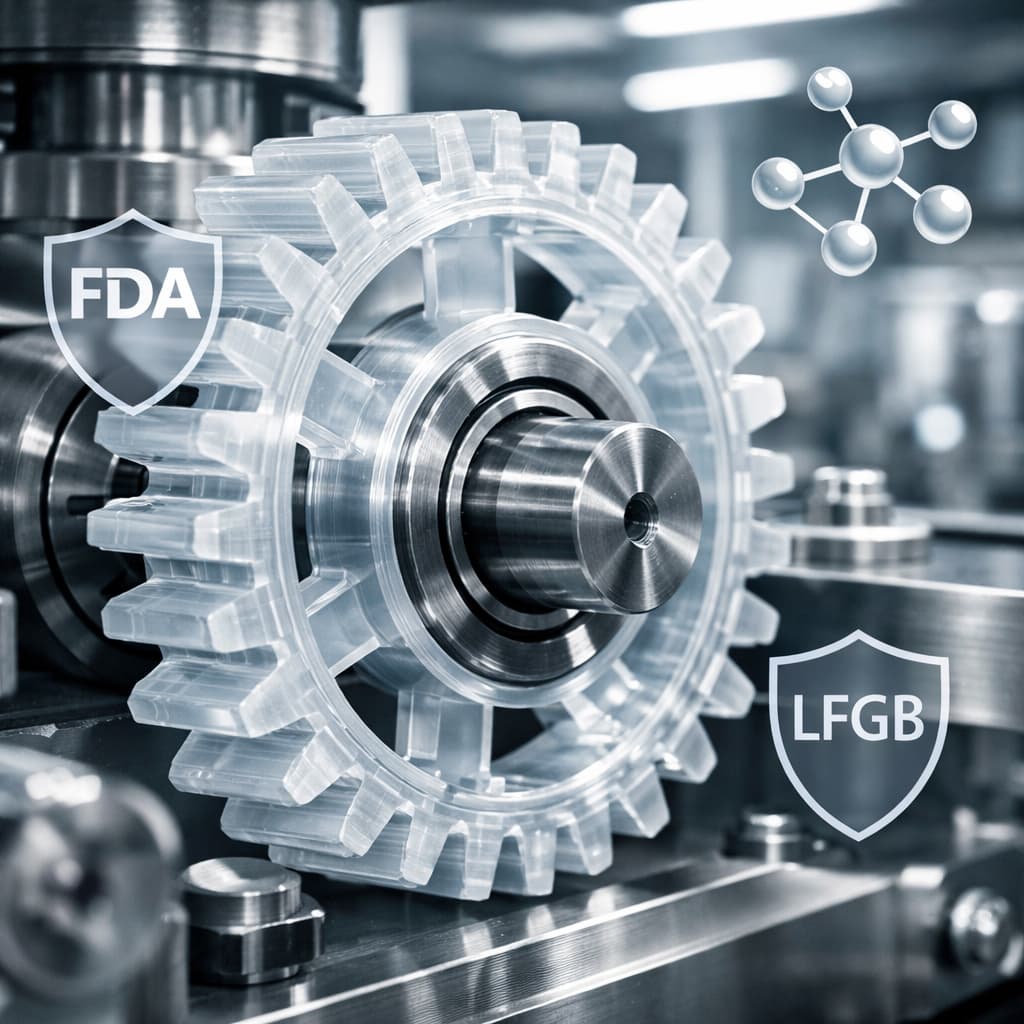
    The utilization of modified nylon in food processing machinery is dictated by a complex landscape of international safety regulations, primarily centered on preventing chemical migration into food matrices. Modified polyamides, enriched with glass fibers or stabilizers, must ensure that their functional additives do not leach under thermal or mechanical stress. The U.S. FDA framework, particularly 21 CFR 177.1500, sets rigorous thresholds for extractable fractions in specific solvents, emphasizing the purity of monomers and the safety of catalysts used during polymerization. For high-performance food machinery, compliance signifies that the material's structural integrity and chemical stability remain uncompromised throughout its operational lifespan, ensuring that no unapproved substances enter the consumer's diet. Conversely, the German LFGB standard adopts a more holistic approach, focusing on sensory neutrality and overall migration limits (OML). Under the BfR recommendations, nylon components must not alter the organoleptic properties of food. This is particularly critical for modified nylons containing internal lubricants or impact modifiers. LFGB testing protocols often employ more aggressive food simulants to mirror real-world conditions in industrial kitchens and production lines. The focus on specific migration limits (SML) for caprolactam and other residual chemicals ensures a higher safety margin. For global manufacturers, harmonizing FDA and LFGB requirements is essential, necessitating a sophisticated selection of additives that are both technically effective and toxicologically inert, thereby safeguarding public health across diverse regulatory jurisdictions.    
    Read More

  • Size Accuracy Control of Carbon Fiber Reinforced Nylon in 3D Printing: Temperature Field, Shrinkage Rate and Compensation Strategy
    Size Accuracy Control of Carbon Fiber Reinforced Nylon in 3D Printing: Temperature Field, Shrinkage Rate and Compensation Strategy
    Dec 24, 2025
    Carbon fiber reinforced nylon has become an increasingly important material in FDM and FFF additive manufacturing due to its high stiffness-to-weight ratio, improved thermal stability, and suitability for functional components. However, dimensional accuracy remains one of the most challenging issues limiting its broader industrial adoption. Compared with unfilled nylon or PLA, carbon fiber nylon exhibits more complex deformation behavior, particularly in medium to large parts, thin-wall geometries, and load-bearing structures. A systematic understanding of this issue requires an integrated analysis of temperature field distribution, material shrinkage mechanisms, and compensation strategies at both software and process levels. During printing, the temperature field within a part is highly non-uniform and evolves continuously over time. While the molten filament exits the nozzle at temperatures typically ranging from 260 to 320°C, deposited layers cool rapidly toward the glass transition temperature. The introduction of carbon fibers reduces the overall coefficient of thermal expansion but simultaneously increases anisotropy in thermal conductivity and mechanical response. When printing without a controlled heated chamber, temperature gradients between lower and upper layers accumulate, leading to residual stresses, uneven shrinkage, and ultimately dimensional deviation or warping. From a material perspective, dimensional change in carbon fiber nylon is not governed solely by thermal contraction. It is the combined result of crystallization shrinkage, fiber-induced orientation effects, and stress relaxation during cooling. The nylon matrix undergoes molecular rearrangement as it crystallizes, while carbon fibers constrain shrinkage in a direction-dependent manner. As fibers tend to align along the extrusion path, shrinkage in the X–Y plane is typically lower than in the Z direction. This anisotropic behavior explains why height-related dimensional deviations are often more pronounced, even when overall shrinkage values appear relatively low. To mitigate these effects, industrial applications rarely rely on material properties alone. Instead, multi-level compensation strategies are adopted. At the hardware level, enclosed heated chambers maintaining ambient temperatures between 60 and 90°C are widely used to reduce interlayer temperature differences. At the process level, optimized print speeds, layer heights, and toolpaths help reduce cooling rates and promote more uniform crystallization. For high-precision components, empirical measurement of directional shrinkage is often followed by non-uniform scaling compensation in slicing software, rather than simple global scaling. Advanced users increasingly integrate simulation-driven approaches to predict dimensional deviation before printing. Finite element thermal simulations, combined with material-specific thermal and crystallization data, allow engineers to identify regions susceptible to distortion. Although data-intensive, such methods are already proving valuable in aerospace fixtures, automation tooling, and other high-value applications. Ultimately, effective dimensional control requires precise matching between material formulation, process parameters, and compensation models. All in all, dimensional accuracy in carbon fiber nylon printing is the result of coordinated optimization across material science, thermal management, and digital compensation. Only through a deep understanding of temperature field evolution and shrinkage behavior can additive manufacturing with carbon fiber nylon achieve consistent and predictable engineering performance.
    Read More
  • Analysis of Lightweight and High-Strength Nylon Material Solutions for UAVs and Intelligent Equipment
    Analysis of Lightweight and High-Strength Nylon Material Solutions for UAVs and Intelligent Equipment
    Oct 30, 2025
    With the rapid growth of drones and intelligent equipment in consumer, industrial, and defense sectors, the demand for advanced structural materials has intensified. Lightweight, high-strength, impact resistance, and environmental adaptability have become essential design factors. Traditional metals such as aluminum alloys offer strength but are heavy and costly to machine, while carbon fiber composites, though light, are expensive and complex to mold. Modified nylon materials, on the other hand, combine high specific strength, processability, and durability, making them an ideal choice for drone frames, housings, and structural components. The lightweight property of nylon stems from its crystalline polymer structure, which provides high rigidity and molecular alignment. When reinforced with glass fiber (GF), carbon fiber (CF), or aramid fiber, its tensile strength can rival that of some aluminum grades. For example, PA6 GF30 has only one-third the density of aluminum yet provides up to 40% higher specific strength. This makes it ideal for drone arms, propeller mounts, and motor supports that demand high load-bearing capacity with minimal weight. Fatigue resistance and dimensional stability are equally critical for aerial systems. Drones operate under continuous vibration, cyclic stress, and fluctuating temperatures. By incorporating heat stabilizers and crystal modifiers, modified nylon can maintain stiffness at temperatures exceeding 120°C. Additionally, carbon- or mineral-filled nylon composites exhibit a low coefficient of thermal expansion (CTE), reducing dimensional drift during prolonged flight. Nylon’s inherent self-lubricating and low-friction characteristics provide further benefits. Components such as servo mounts, rotating joints, and gear sets made from PTFE- or MoS₂-filled nylon experience reduced wear and extended operational life. This is particularly advantageous in enclosed or maintenance-limited smart devices. In intelligent equipment, electrical insulation and flame resistance are also crucial. Modified nylon with optimized dielectric strength and UL94 V0 flame-retardant rating ensures both mechanical integrity and safety. PA66 FR V0, for example, is widely used in control housings, motor enclosures, and power modules. Halogen-free and eco-friendly formulations also allow compliance with RoHS and REACH regulations. Manufacturing efficiency is another strong advantage of modified nylon. Compared with metals or thermoset composites, nylon supports complex injection-molded geometries, reducing tooling costs and cycle time. Some manufacturers utilize carbon fiber-reinforced PA12 or PA6 powders for selective laser sintering (SLS) 3D printing, combining lightweight design with rapid customization. Looking forward, nylon materials are evolving toward multifunctionality and sustainability. Self-healing composites, EMI-shielding nylon, and recyclable bio-based nylons such as PA410 or PA1010 are entering drone and smart equipment applications. Through material–structure synergy, nylon will continue expanding from structural roles into functional and sensor-integrated components, enabling deeper integration between materials and intelligent systems.
    Read More
  • The Rise of Modified Nylon for Electric Vehicles: The Optimal Balance Between Lightweight and Heat Resistance
    The Rise of Modified Nylon for Electric Vehicles: The Optimal Balance Between Lightweight and Heat Resistance
    Sep 11, 2025
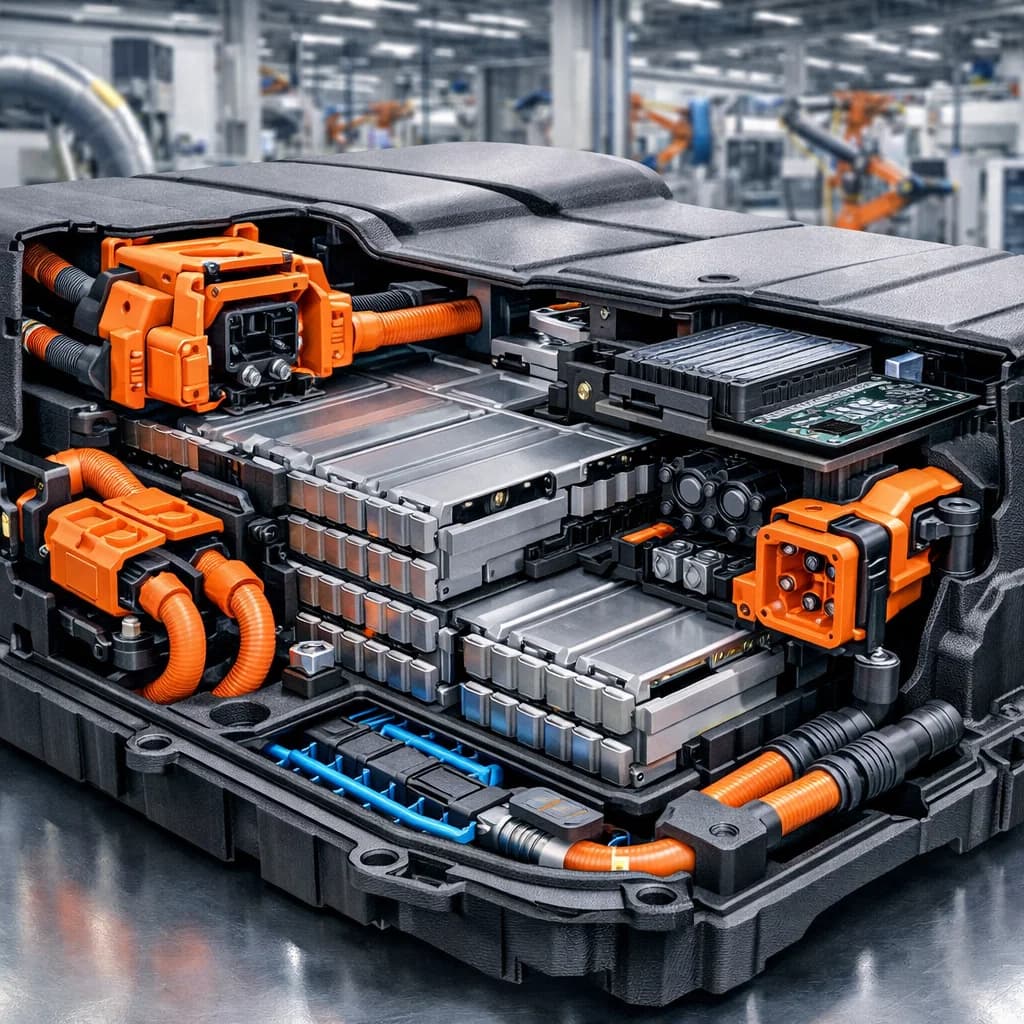
    With the rapid growth of electric vehicles (EVs), material selection has become a decisive factor in balancing performance and cost. Lightweight design and heat resistance are two of the most critical requirements. On one hand, lightweight materials reduce overall vehicle energy consumption and extend driving range; on the other hand, heat-resistant materials ensure the reliability of batteries, motors, and electronic systems under high-temperature conditions. Modified nylon, as a versatile engineering plastic, is rapidly emerging as a key material in the EV industry. In terms of light weighting, modified nylon offers significant advantages over metals. Its density is about one-seventh that of metals, yet with glass fiber or carbon fiber reinforcement, its strength and rigidity can fully meet structural requirements. Components such as battery module housings, motor end covers, and cooling pump casings have already adopted modified nylon to replace aluminum alloys or steel. Injection molding further enables design flexibility and part integration, reducing production costs. Heat resistance is another crucial demand in EV applications. Motors generate substantial heat during operation, while batteries require strict thermal stability. With heat-resistant modifications, nylon’s heat distortion temperature can be raised to 200 °C or higher, maintaining excellent mechanical properties under long-term thermal aging. Compared with polypropylene or ABS, modified nylon demonstrates lower creep and better dimensional stability under high temperatures, making it more suitable for demanding EV environments. Beyond mechanical and thermal performance, modified nylon also excels in electrical properties. Flame-retardant grades meet strict automotive electrical safety standards, preventing arc discharge or short-circuit risks. As a result, modified nylon is increasingly used in high-voltage connectors, charging plugs, and electrical isolation parts in battery modules. Equally important, modified nylon supports sustainability. Manufacturers have developed grades based on renewable or recycled feedstock, reducing carbon emissions while maintaining performance stability. This aligns perfectly with the EV industry’s pursuit of green development and circular economy goals. To be short, the rise of modified nylon in electric vehicles is not merely a material substitution but an inevitable step in industry transformation. With its combined advantages of lightweighting, heat resistance, electrical safety, and sustainability, modified nylon is gradually replacing metals and conventional plastics, becoming a driving force behind EV innovation. As modification technologies continue to evolve, nylon will find even broader applications in core EV components, providing safer, more efficient, and more environmentally friendly solutions.
    Read More
  • How Flame-Retardant Nylon Achieves Self-Extinguishing: Mechanisms and Flame Retardant Principles
    How Flame-Retardant Nylon Achieves Self-Extinguishing: Mechanisms and Flame Retardant Principles
    Aug 21, 2025
    Nylon as a representative engineering plastic, is widely used in automotive components, electrical devices, and construction materials. However, due to its hydrocarbon backbone and amide groups, nylon is inherently flammable. Once ignited, it burns rapidly and may produce molten drips. For applications demanding high fire safety—such as electrical connectors, appliance housings, and automotive under-hood parts—pure nylon alone is insufficient. Flame-retardant nylon capable of self-extinguishing once the flame source is removed, provides a critical solution. But how is this self-extinguishing property achieved? The fundamental mechanism lies in disrupting the chain reactions of combustion. Burning is essentially a process involving heat, free radicals, and oxygen. When the polymer decomposes, flammable volatiles react with oxygen to sustain the flame. Flame retardants act by interfering with this cycle. Some absorb heat, lowering the temperature; others release inert gases to dilute oxygen concentration; still others form a char layer that shields the polymer from oxygen and heat. In nylon, the main flame retardant systems include halogenated, phosphorus-based, nitrogen-based, and inorganic fillers. Halogenated retardants, such as brominated and chlorinated compounds, release hydrogen halides during combustion, scavenging free radicals and terminating the chain reaction. Although effective, their toxicity and environmental concerns have led to restrictions in many industries. Phosphorus-based flame retardants are now widely adopted. Upon decomposition, they produce phosphoric or polyphosphoric acids that promote char formation on the surface. The char layer blocks oxygen and heat transfer while reducing volatile release. Some phosphorus retardants also act in the gas phase, capturing free radicals for a dual effect. Nitrogen-based retardants, such as melamine and its derivatives, work by releasing inert gases like nitrogen or ammonia during combustion. This dilutes oxygen in the flame zone and slows burning. Phosphorus-nitrogen synergistic systems are particularly effective, delivering strong flame retardancy at relatively low loading levels. Inorganic flame retardants such as aluminum hydroxide and magnesium hydroxide decompose endothermically at high temperatures, releasing water vapor to cool and dilute the system. Though they require high loading, they are non-toxic and environmentally friendly, making them suitable for green flame-retardant nylon. In practice, engineers often use tailored combinations. For electrical insulation, low-smoke halogen-free systems are preferred, typically phosphorus-nitrogen blends. In automotive components, balancing flame resistance with mechanical strength often requires glass fiber reinforcement with phosphorus-based retardants. The self-extinguishing performance of flame-retardant nylon is commonly evaluated through standard tests such as UL94. Depending on whether the sample extinguishes quickly and avoids igniting cotton with dripping, materials are rated from HB to V-2, V-1, or the highest rating, V-0. These classifications are essential for product acceptance in safety-critical applications. Looking ahead, stricter environmental regulations are driving halogen-free and low-smoke flame-retardant systems. Advanced phosphorus-nitrogen synergistic formulations, nano-scale retardants, and self-charring additives are emerging as next-generation solutions. They not only enhance safety but also expand nylon’s role in electric vehicles, 5G communication devices, and smart home applications. Thus, flame-retardant nylon’s ability to self-extinguish arises from the combined physical and chemical effects of flame retardants. Understanding these mechanisms allows engineers to optimize formulations that balance flame retardancy, mechanical strength, and environmental performance, ensuring nylon’s continued relevance in safety-critical fields.
    Read More
  • The Moisture Absorption Problem of Nylon: Why Does It Become Brittle, Deformed, and Fail?
    The Moisture Absorption Problem of Nylon: Why Does It Become Brittle, Deformed, and Fail?
    Aug 21, 2025
    Nylon is one of the most widely used engineering plastics, valued for its strength, toughness, and wear resistance in industries such as automotive, electronics, and consumer goods. However, its molecular structure contains a large number of amide groups, which have a strong affinity for water molecules. This intrinsic feature makes nylon highly hygroscopic, and when exposed to humid environments, it readily absorbs moisture. Such moisture absorption significantly affects both mechanical properties and dimensional stability, often leading to unexpected failures. When nylon absorbs moisture, water molecules penetrate the intermolecular spaces and form hydrogen bonds. This process weakens the original hydrogen bonding between chains and increases molecular mobility. In the short term, toughness and impact resistance may improve, but tensile strength decreases over time. In structural components, repeated cycles of swelling and shrinkage during humidity changes introduce residual stresses that can cause warpage, deformation, and cracking. In electronics, moisture-induced dimensional changes may compromise precision, disrupt assembly tolerances, and even cause electrical contact failure. In automotive applications, nylon parts such as gears and connectors may lose strength due to water absorption, resulting in reduced fatigue life or sudden failure. Under alternating hot and cold conditions, the freezing or evaporation of absorbed water further amplifies these destructive effects. Moisture absorption also lowers the glass transition temperature of nylon, causing it to shift from a rigid state to a softer, unstable one. For applications requiring long-term stiffness, this is highly detrimental. When the absorbed water eventually evaporates, the material becomes brittle again, concentrating stresses and promoting cracking. This alternating cycle of embrittlement and deformation makes nylon components prone to unpredictable failure in real-world conditions. Several solutions have been developed to address nylon’s hygroscopicity. Copolymerization, such as PA6/66 copolymers or the introduction of hydrophobic monomers, can reduce the number of polar groups. Reinforcement with glass or carbon fibers helps limit swelling and improve dimensional stability. Surface coatings or barrier layers can reduce water penetration. In manufacturing, thorough drying before molding is essential to maintain low moisture content. For demanding environments, high-performance modified nylons such as PA6T or PA9T offer significantly lower water absorption due to their denser molecular structures. Nylon’s moisture absorption issue is the combined result of its molecular structure and environmental factors. It may increase toughness in the short term but compromises strength and dimensional stability in the long run. Engineers must account for the dynamic impact of moisture and adopt suitable modification and design strategies. Only by understanding the mechanisms thoroughly can nylon components maintain reliable performance under complex operating conditions.
    Read More
1 2
A total of2pages

Leave a Message

Leave a Message
If you are interested in our products and want to know more details,please leave a message here,we will reply you as soon as we can.
submit

Home

Products

WhatsApp

contact