Our company

PA66 GF30

Home

PA66 GF30

  • Comparative Model of Life Cycle Cost for PA6, PA66 and Recycled Nylon 2
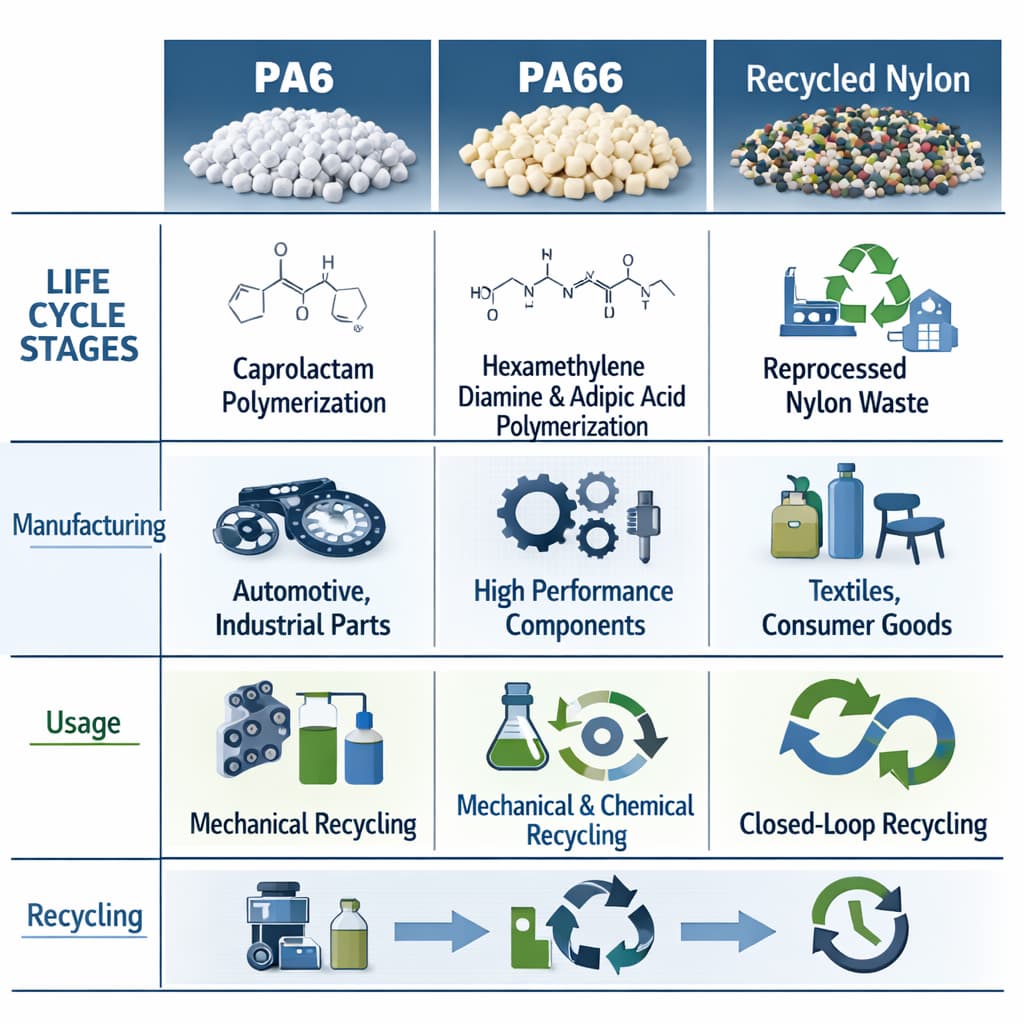
    Comparative Model of Life Cycle Cost for PA6, PA66 and Recycled Nylon 2
    Apr 23, 2026
    However, this structural advantage also introduces certain trade-offs. PA66 requires higher processing temperatures and typically consumes more energy during injection molding. In large-scale manufacturing environments, these differences influence machine energy consumption, cooling time and mold cycle duration. The comparison becomes more complex when recycled nylon is introduced into the material selection process. Recycled nylon is usually derived from post-industrial scrap or post-consumer waste streams. After cleaning, re-compounding and stabilization, the material can re-enter the production cycle as engineering plastic feedstock. One of the main advantages of recycled nylon is its significantly reduced carbon footprint compared with virgin polymer production. In addition, the price of recycled materials is sometimes less sensitive to fluctuations in petrochemical raw material markets. However, concerns about property stability and batch-to-batch consistency still require careful engineering validation. Experience from several manufacturing projects demonstrates that raw material price alone rarely determines the final economic outcome. For example, in a consumer appliance structural component project, PA6 initially appeared to be the most cost-efficient material due to its lower raw material price compared with PA66. However, long-term aging tests revealed that the component gradually lost dimensional stability when exposed to continuous operating temperatures around 90°C. To compensate for this effect, engineers had to increase the wall thickness of the component design. This modification increased overall material consumption and required adjustments to the injection mold structure. As a result, the initial price advantage of PA6 was significantly reduced. A similar situation has been observed in certain electric vehicle components. Some early design programs selected lower-cost nylon materials in order to reduce initial component price. During long-term thermal cycling tests, however, stress cracking or dimensional distortion appeared in several parts. Replacing the material with a higher temperature-resistant polyamide increased the material price but reduced the risk of component failure during vehicle operation. These examples illustrate why lifecycle thinking is becoming increasingly important in engineering material selection. Instead of focusing solely on raw material cost, engineers evaluate the combined effect of multiple factors across the entire product lifecycle. A simplified lifecycle cost model for nylon materials typically includes raw material purchase cost, processing energy consumption, production efficiency, product service lifetime and potential recycling value at the end of use. By analyzing these parameters together, it becomes easier to understand the real economic performance of different material systems. For instance, in high-temperature structural applications, PA66 may appear more expensive at the raw material level. However, if the material significantly improves product durability and reduces failure risk, the overall lifecycle cost can become lower than that of PA6. In contrast, PA6 often demonstrates clear advantages in thin-wall components with complex geometries. Its superior flowability allows lower injection pressure and shorter filling times, which improves productivity in mass production environments. Recycled nylon introduces a different dimension to lifecycle cost evaluation. Its primary value lies in carbon emission reduction and regulatory compliance rather than purely economic benefits. As carbon footprint disclosure becomes increasingly common in European supply chains, automotive manufacturers are beginning to request documentation of recycled material content in engineering plastics. Under these circumstances, recycled nylon is not only a cost consideration but also part of a broader sustainability strategy within the supply chain. Looking forward, engineering material selection will gradually move away from simple price comparison toward comprehensive lifecycle assessment. Engineers must balance mechanical performance, processing efficiency, long-term reliability and environmental impact when selecting between PA6, PA66 and recycled nylon materials. Material suppliers capable of providing reliable lifecycle data, including durability testing and carbon footprint analysis, will likely gain a stronger position in future engineering material supply chains.
    Read More
  • Advanced Layout Directions for Nylon Modified Formulas Under the Compliance Trend of New Energy Vehicle Materials 1
    Advanced Layout Directions for Nylon Modified Formulas Under the Compliance Trend of New Energy Vehicle Materials 1
    Apr 08, 2026
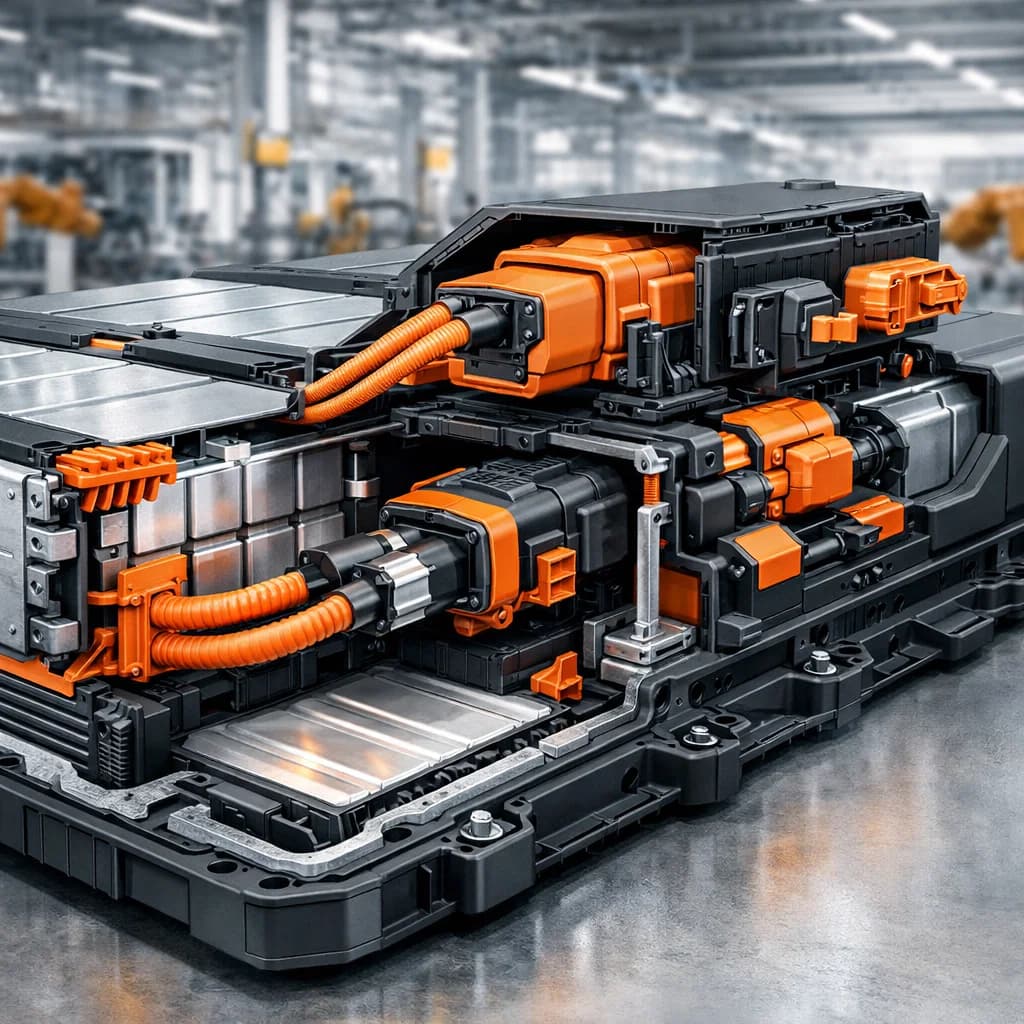
    Over the past decade, the electric vehicle industry has undergone a rapid transition from policy-driven development to market-driven expansion. During this transition, material systems often evolve more slowly than vehicle platform architectures. For engineering plastics suppliers, the challenge is no longer limited to achieving a specific mechanical property or flame-retardant rating. Instead, the real difficulty lies in maintaining stable engineering performance while complying with a rapidly evolving regulatory landscape. In recent years, global material compliance frameworks have become increasingly strict. Regulations such as REACH, RoHS and ELV have already established fundamental environmental requirements for materials used in automotive components. At the same time, new regulatory discussions regarding PFAS restrictions and carbon footprint disclosure are gradually influencing material selection policies adopted by automotive OEMs. These changes are particularly relevant for polyamide compounds, which are widely used in electrical and structural components within electric vehicles. From an engineering perspective, nylon materials are commonly used in battery pack components, high-voltage connector housings, thermal management modules and electric motor peripheral structures. Compared with traditional internal combustion engine vehicles, EV platforms expose materials to different operating conditions. Components near battery modules or electric drive systems often experience continuous operating temperatures above 80–90°C, frequent thermal cycling and exposure to electrical fields. In such environments, the long-term stability of electrical insulation becomes as important as mechanical strength. For example, high-voltage connector housings must maintain dimensional stability while preventing electrical leakage under high humidity conditions. Similarly, structural supports used around battery packs must resist vibration and thermal aging for the entire vehicle lifetime. Understanding these engineering conditions helps explain why traditional nylon modification strategies are gradually being reconsidered. In the past, flame-retardant nylon compounds often relied on red phosphorus or halogen-based systems to achieve UL94 V-0 performance. While these solutions remain technically effective, they present potential challenges in modern EV platforms. Red phosphorus systems may introduce corrosion risks in humid environments, particularly when copper terminals are present. Halogen-based flame retardants are increasingly restricted in certain markets due to environmental concerns. As a result, many compounders are shifting their formulation strategies toward halogen-free flame retardant systems based on phosphorus-nitrogen synergy. These systems often require additional reinforcement technologies to compensate for mechanical property losses caused by flame retardant additives. Mineral fillers or nano-scale reinforcements are sometimes used to improve stiffness and dimensional stability. Another important trend relates to carbon footprint management. Several automotive manufacturers have started requesting life cycle assessment data from material suppliers. This requirement extends beyond simple mechanical performance evaluation and includes raw material origin, manufacturing energy consumption and potential recyclability.  
    Read More
  • How to Avoid Rework Due to EN Standards at the Material Stage for Modified Nylon Projects Exported to Europe? Section1
    How to Avoid Rework Due to EN Standards at the Material Stage for Modified Nylon Projects Exported to Europe? Section1
    Apr 01, 2026
    European engineering plastics projects often focus heavily on pricing, delivery timelines, and processing performance. However, the understanding of European standard systems is frequently postponed until the later stages of project development. In practice, if material compliance with EN standards is not addressed early, repeated testing and material redesign may occur during customer validation. This issue is particularly common for modified nylon materials used in automotive, electrical, and industrial equipment applications. The European market widely relies on the EN standard system for both material and product evaluation. These standards cover multiple aspects including mechanical performance, flame resistance, dimensional stability, and environmental reliability. In electrical applications, for instance, customers may require materials to comply simultaneously with EN 60695 glow-wire testing and EN ISO 527 tensile testing. If materials are not evaluated under these standards during the development stage, additional testing and formulation adjustments may become necessary later. A typical example occurred in an industrial connector project. During early discussions, the customer requested flame-retardant PA66 with UL94 V0 classification. The supplier provided a conventional flame-retardant formulation and completed UL testing. However, during final validation in Europe, additional requirements were introduced, including EN 60695-2-11 glow-wire testing at 750 °C and EN ISO 75 heat deflection temperature testing. The original formulation failed the glow-wire test, forcing the supplier to redesign the flame-retardant system and restart certification procedures. The project timeline was extended by several months. From a material engineering perspective, the main challenge is not the technical complexity but the interpretation of standards. EN standards often emphasize real-world safety conditions. Glow-wire testing simulates overheating scenarios in electrical components, while heat deflection temperature evaluates structural stability at elevated temperatures. Such requirements are rarely reflected directly in conventional datasheets, which means that project teams may overlook them if the standards are not reviewed early.
    Read More
  • How to Reduce the Total Cost of Nylon Materials Without Compromising Safety?Section2
    How to Reduce the Total Cost of Nylon Materials Without Compromising Safety?Section2
    Mar 18, 2026
    Processing efficiency is another critical factor influencing total material cost. Many companies focus only on raw material prices while overlooking energy consumption, scrap rates, and production cycle times. For example, high-flow nylon materials may have a higher unit price, but they can significantly shorten filling time and reduce molding defects during injection molding. If production cycle efficiency improves by more than 10%, the overall cost may actually be lower than that of cheaper materials. Supply chain stability is also an integral part of cost management. Frequently switching material suppliers may bring short-term price advantages but increases the risk of quality fluctuations. Once batch inconsistencies or processing instability occur, the resulting downtime and adjustment costs often exceed the material price difference. Therefore, a stable and consistent material system typically leads to lower total cost over the entire project lifecycle. Experience shows that the most effective cost reduction strategies often come from cross-functional collaboration. When design engineers, material engineers, and procurement teams jointly evaluate materials, they can simultaneously consider structural design, material performance, and pricing. With a system-level understanding of material cost, it becomes clear that cost-saving opportunities rarely come from a single parameter, but rather from optimization across the entire product design and manufacturing process. Therefore, the key to optimizing nylon material costs is not simply finding cheaper materials, but establishing a systematic engineering mindset. From structural design and material performance to processing efficiency, every stage can influence the final cost. Once a company develops this holistic cost management capability, material optimization evolves from passive price negotiation into a strategic tool for enhancing product competitiveness.
    Read More
  • How to Reduce the Total Cost of Nylon Materials Without Compromising Safety?Section1
    How to Reduce the Total Cost of Nylon Materials Without Compromising Safety?Section1
    Mar 18, 2026
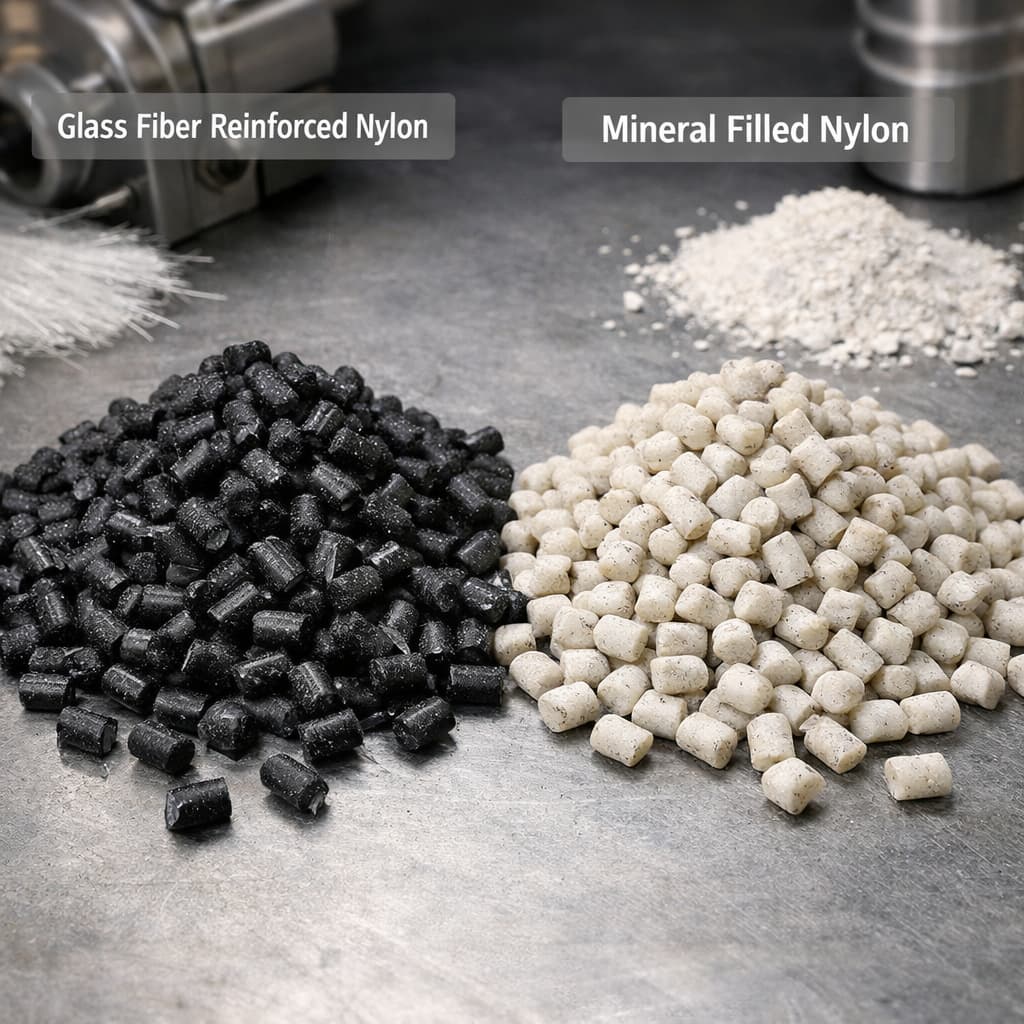
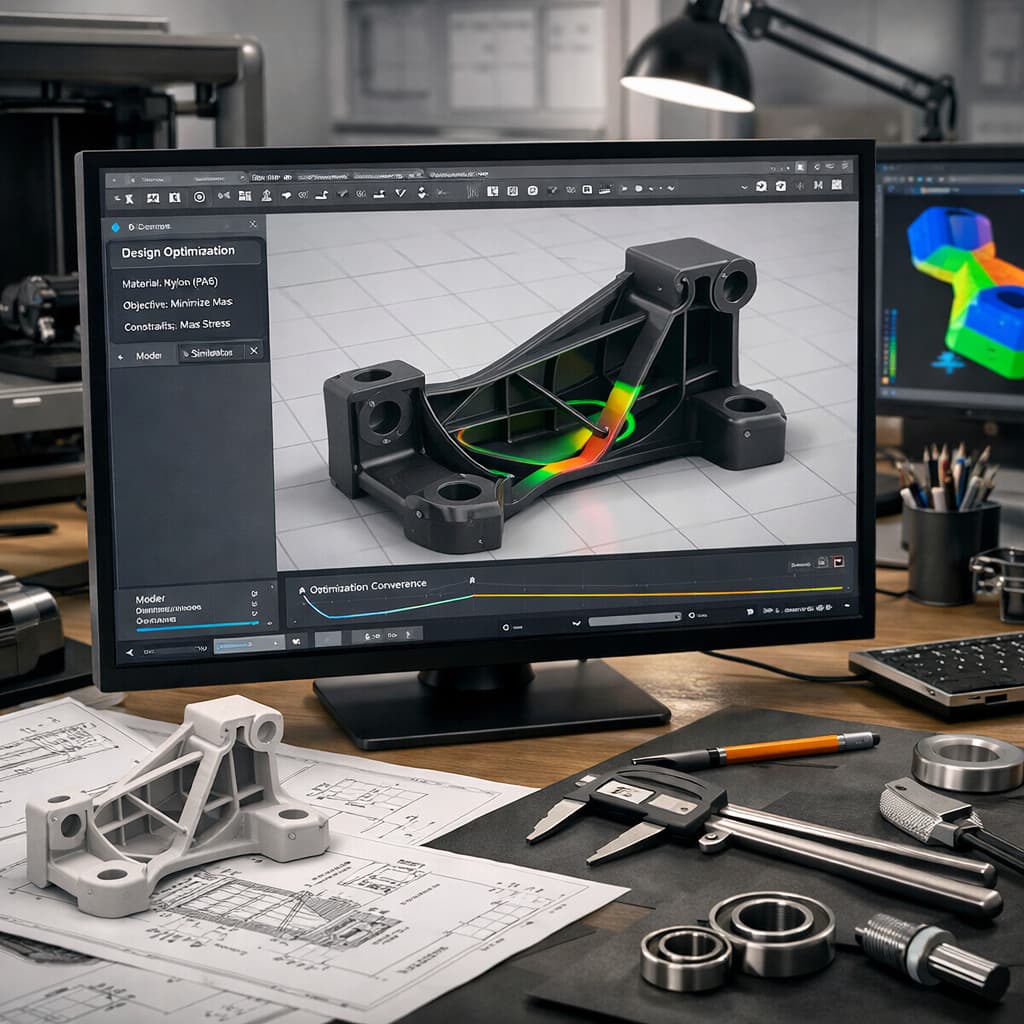
    Reducing the total cost of nylon materials without compromising safety is a persistent challenge in many industrial projects. Whether in automotive components, home appliance structures, or industrial machinery parts, engineering teams in mass production stages often face pressure from procurement departments to lower material costs while maintaining performance. However, in practice, overly straightforward cost-reduction approaches—such as directly lowering glass fiber content or switching to lower-grade raw materials—often introduce long-term risks into the product lifecycle. Effective cost optimization therefore requires a systematic approach that integrates engineering design, material understanding, and supply chain management. In real engineering scenarios, material cost is often not determined solely by unit price, but by how the material is used. For instance, in injection-molded structural components, designers may increase wall thickness to ensure stiffness. While this approach quickly improves strength, it also increases material consumption and extends molding cycle time. In contrast, optimizing stiffness through well-designed rib structures during the design phase can reduce material usage without changing the material grade. For high-volume production parts, such design optimization often delivers more significant cost savings than material price adjustments. A deep understanding of nylon material properties is also fundamental to cost reduction. Nylon exhibits hygroscopic behavior: moisture absorption increases toughness while slightly reducing stiffness. If engineering teams rely solely on dry-state data for design, it often results in over-engineering. In reality, components operating under stable humidity conditions may have mechanical properties that differ significantly from dry-state values. Designing based on data that better reflects actual service conditions can eliminate unnecessary safety margins and reduce material usage. Cost optimization of glass fiber–reinforced nylon also involves formulation adjustments. While increasing glass fiber content improves strength, it also significantly raises material cost. In non-critical load applications, combining mineral fillers with glass fiber can maintain sufficient stiffness while reducing overall formulation cost. The key lies in understanding the functional roles of different fillers: mineral fillers enhance dimensional stability, while glass fiber primarily contributes to structural strength.
    Read More
  • How to Correctly Interpret Nylon Thermal Aging Test Results Beyond Retention Rate?Section2
    How to Correctly Interpret Nylon Thermal Aging Test Results Beyond Retention Rate?Section2
    Mar 11, 2026
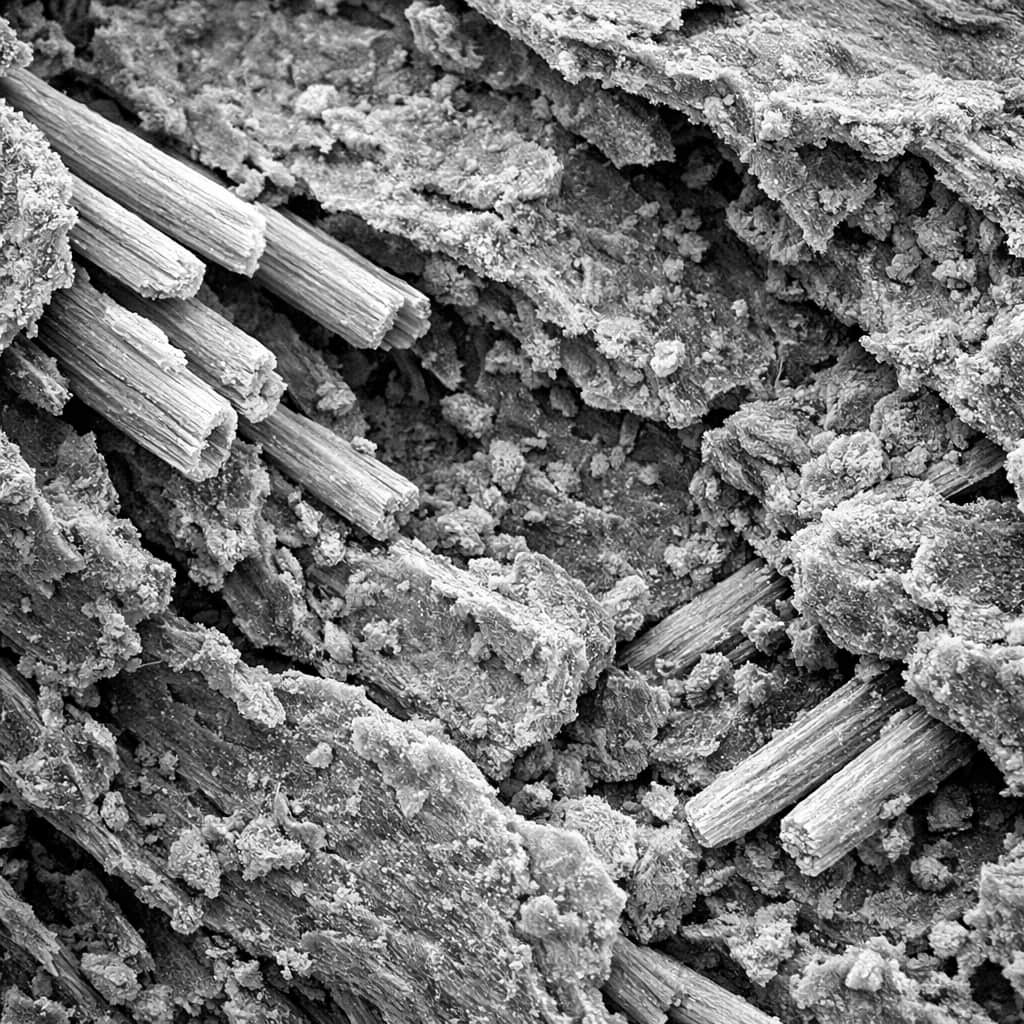
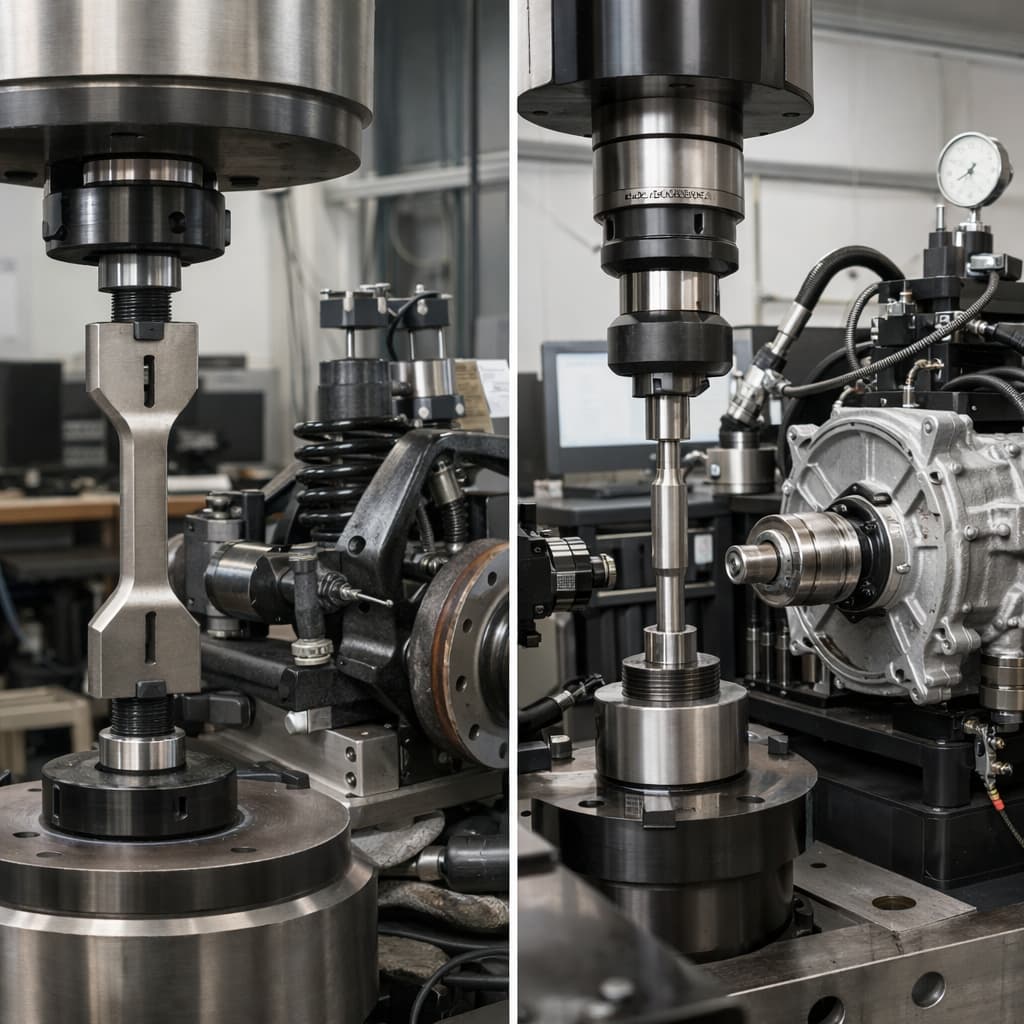
    Another frequently overlooked factor is impact performance. Many reports emphasize tensile strength retention, but in structural applications the real risk often lies in brittle fracture. After prolonged thermal aging, nylon materials may transition from ductile failure to brittle failure. This transition might not be evident in tensile tests but becomes clear in impact testing. Therefore, impact retention and fracture behavior should also be evaluated when assessing thermal aging resistance. Glass-fiber reinforced nylon introduces another dimension to aging analysis. Over long periods at elevated temperatures, the fiber-matrix interface may weaken, affecting fatigue resistance and structural integrity. Microscopic examination of fracture surfaces often reveals fiber pull-out after aging, indicating interfacial degradation. Such observations can provide valuable clues that conventional mechanical tests may overlook. Another practical issue arises when engineers compare aging results from different laboratories. Variations in sample thickness, specimen preparation, and aging conditions can significantly affect test outcomes. For instance, oxygen diffusion through thicker specimens is slower, which can alter the apparent degradation rate. For meaningful comparison, aging tests must be conducted under consistent conditions. Experienced material engineers often complement standard thermal aging tests with application-specific validation. In automotive development, thermal cycling or combined heat-humidity aging tests are commonly performed to simulate real service environments. Although these tests require additional resources, they provide a more reliable prediction of long-term durability. Ultimately, properly interpreting nylon thermal aging results requires a multidimensional evaluation framework. Instead of focusing only on retention values, engineers should consider aging curves, impact properties, interfacial stability, and fracture behavior. When laboratory data are interpreted within the context of real engineering conditions, thermal aging reports become far more valuable tools for material selection.
    Read More
  • Which Nylon Test Data Are Most Commonly Misinterpreted During Material Selection? Section2
    Which Nylon Test Data Are Most Commonly Misinterpreted During Material Selection? Section2
    Mar 04, 2026
    Impact performance is also commonly oversimplified. Notched Izod or Charpy impact values are often used to represent toughness, yet these tests are highly sensitive to notch geometry and specimen dimensions. In real molded parts, weld lines, fiber orientation, and local stress concentrations are far more complex than standardized notches. Engineering experience shows that a high impact number does not necessarily translate into reliable drop resistance or vibration durability. From an engineering validation perspective, mature material selection processes are shifting from single-value comparisons toward operating-condition mapping. This approach aligns real service temperature, humidity, and load profiles with corresponding test conditions, and when necessary, includes secondary testing or pilot molding trials. Although this method increases upfront effort, it significantly reduces systemic risk during mass production.
    Read More
  • Why Flame-Retardant Nylon That Passes UL94 Still Fails in End-Use Products?Section 1
    Why Flame-Retardant Nylon That Passes UL94 Still Fails in End-Use Products?Section 1
    Feb 04, 2026
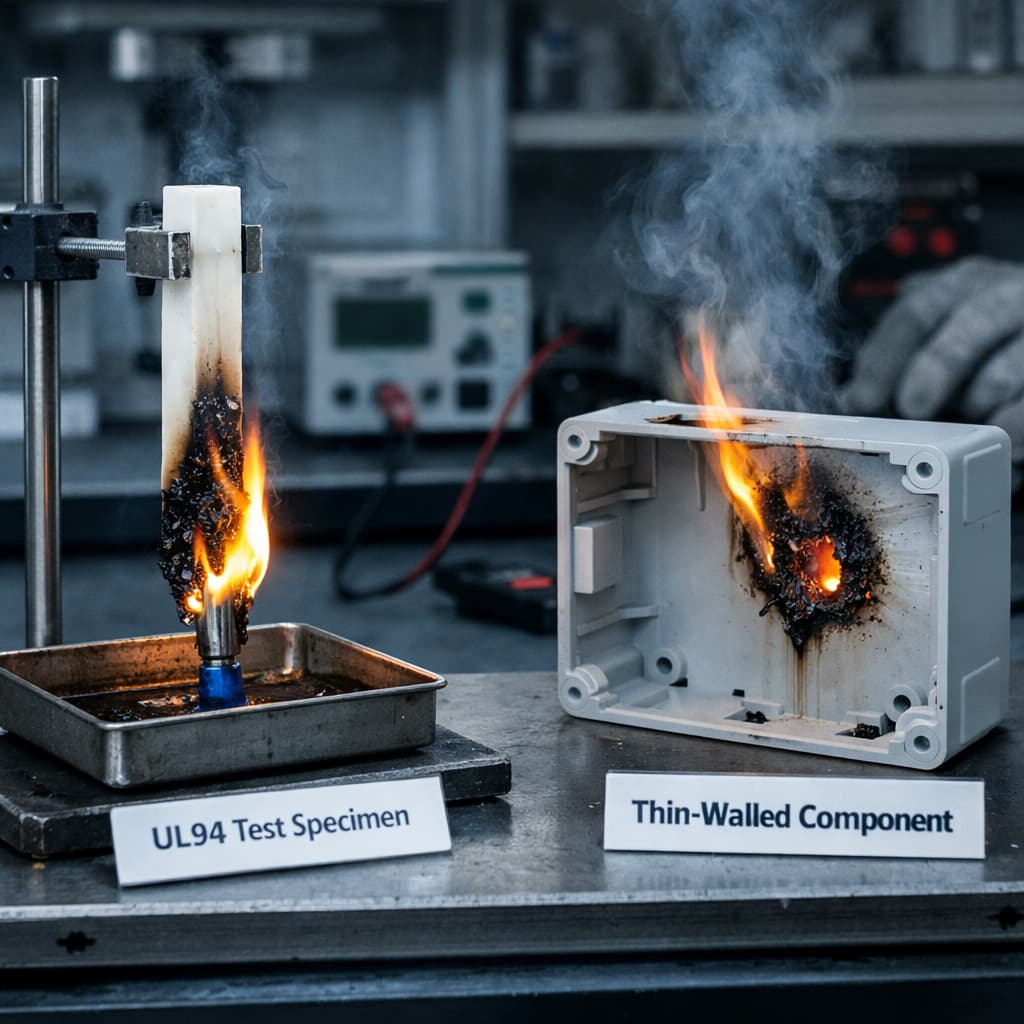
    In applications such as electrical and electronic devices, industrial control systems, and new energy vehicles, flame-retardant nylon is often considered a default material choice. When a material achieves a UL94 V-0 or V-1 rating during the selection phase, it is commonly assumed that regulatory and safety requirements have been fully satisfied. However, failures such as sustained burning, molten dripping, or secondary ignition are still frequently observed during final product certification, customer audits, or even real service conditions. These failures are rarely caused by a single factor; instead, they result from gaps between standardized material testing and real engineering application. In real engineering scenarios, UL94 testing is conducted on standardized specimens with strictly controlled thickness, orientation, and ignition conditions. Actual molded parts, however, often feature complex geometries including ribs, thin walls, inserts, and multi-directional weld lines. When the minimum wall thickness of a component falls below the thickness used for UL94 certification, the effectiveness of the flame-retardant system changes fundamentally. The protective char layer formed during combustion may no longer develop continuously, leading to rapid burn-through in localized thin sections. This phenomenon is particularly common in relay housings, terminal supports, and connector components. From a material perspective, the UL94 rating of a flame-retardant nylon is not an intrinsic property but the result of interactions between the flame-retardant system, the base polymer, filler content, and processing history. In PA66-based systems, for example, flame retardancy relies heavily on the formation of a dense char layer during combustion. This process is highly sensitive to moisture content, shear heat, and molecular weight distribution. Excessive melt temperature or prolonged residence time during injection molding can partially degrade the flame-retardant additives. As a result, standard UL94 specimens may still pass, while complex molded parts lose stable self-extinguishing behavior.
    Read More
  • Is Higher Glass Fiber Content Always Better? An Analysis of Mold Life Issues Caused by Over-Reinforcement Section2
    Is Higher Glass Fiber Content Always Better? An Analysis of Mold Life Issues Caused by Over-Reinforcement Section2
    Jan 29, 2026
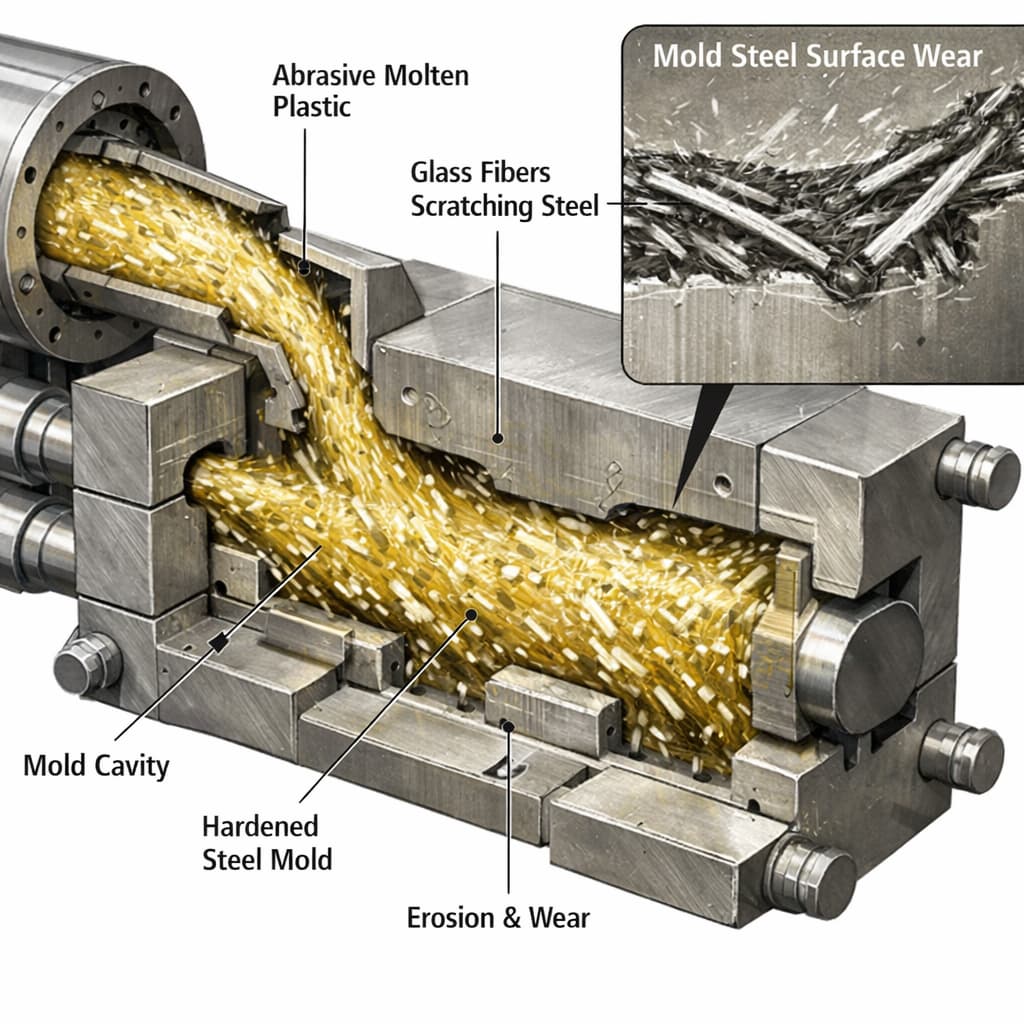
    Processing data indicate that, under identical tooling and processing conditions, PA66 GF40 exhibits a mold wear rate 1.6–1.8 times higher than GF30, particularly in high-flow regions. Additionally, high glass fiber systems demand higher injection pressure and speed, further intensifying abrasive effects. Beyond mechanical abrasion, excessive reinforcement also accelerates thermal fatigue of molds. Reduced thermal uniformity causes larger temperature gradients per molding cycle, increasing micro-crack initiation risks, especially in standard H13 or P20 tool steels. Industrial experience shows that many failures originate not from insufficient material strength, but from over-reliance on high glass fiber content. In one connector application, increasing fiber content from GF35 to GF50 reduced mold life from an expected 800,000 cycles to less than 300,000 cycles, increasing hidden manufacturing costs by over 20%. Ultimately, glass fiber content selection is a balance between structural performance, processing stability, and manufacturing economics rather than a pursuit of maximum reinforcement.
    Read More
  • Analysis of Surface Defects of Injection-molded Nylon: Causes and Solutions of Silver Streaks, Gas Marks and Sink Marks
    Analysis of Surface Defects of Injection-molded Nylon: Causes and Solutions of Silver Streaks, Gas Marks and Sink Marks
    Dec 17, 2025
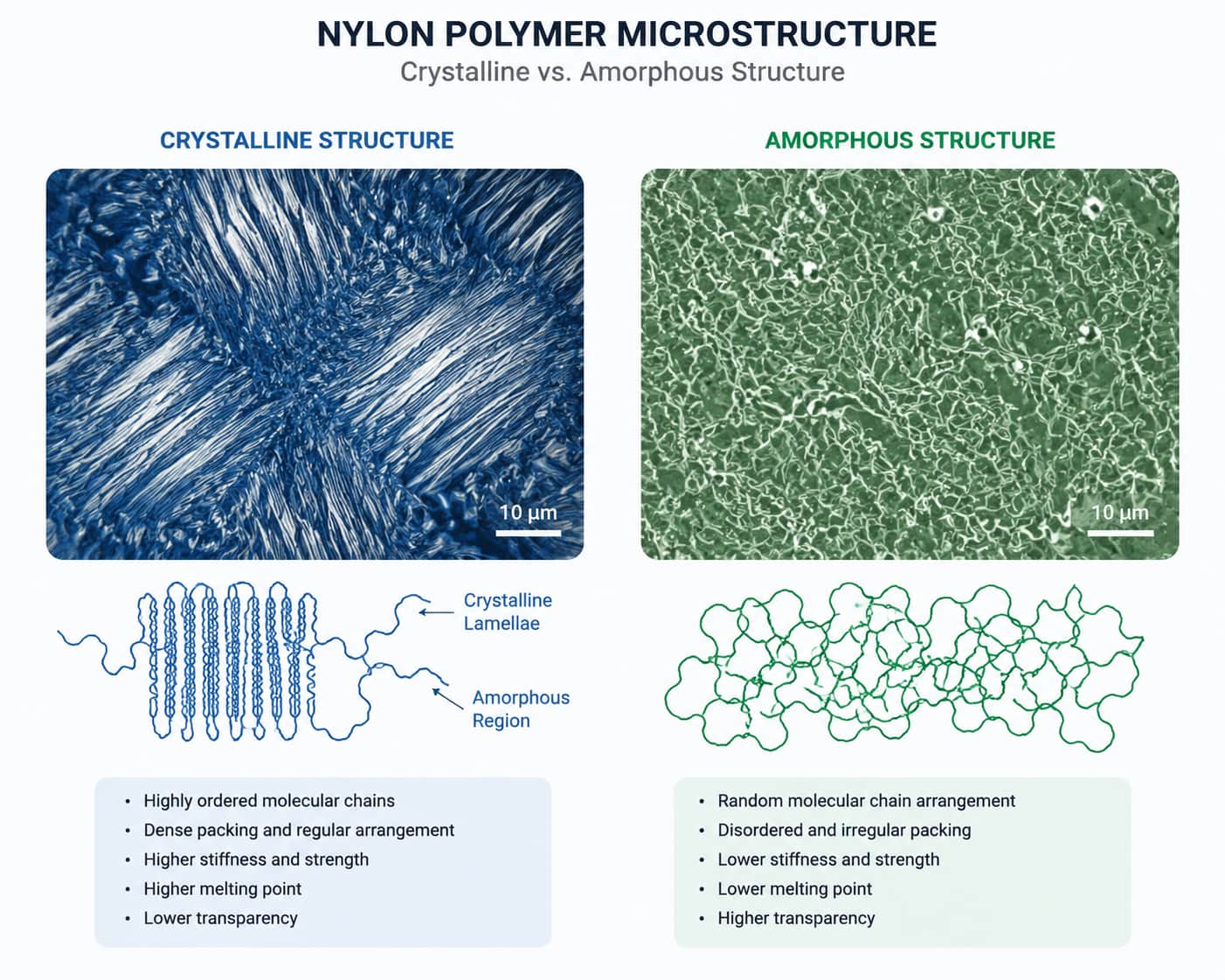
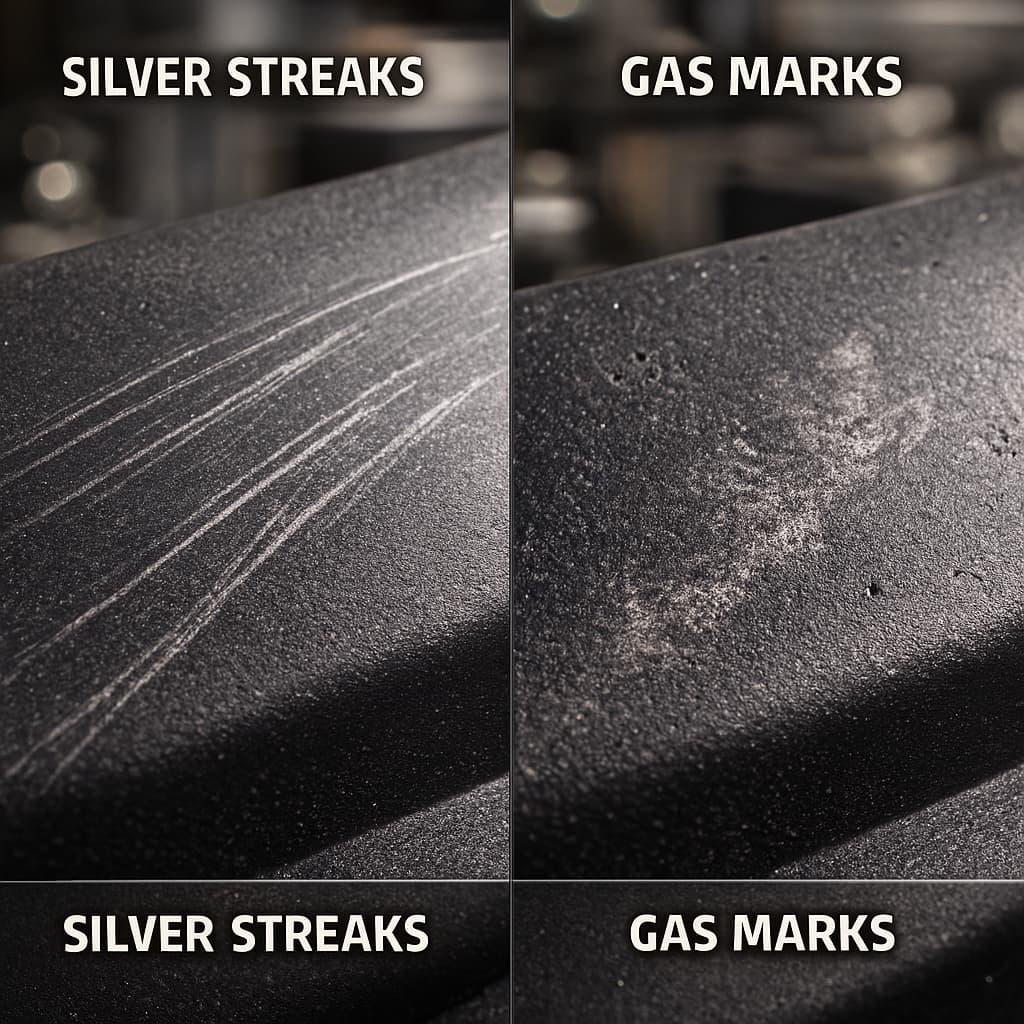
    Surface defects remain a critical challenge in injection molding of nylon materials, as they directly affect aesthetic quality, dimensional stability, and end-user acceptance. Among these defects, silver streaks, flow marks caused by trapped gas, and sink marks are the most frequently observed. Although these phenomena may appear visually similar, their formation mechanisms and control strategies differ substantially and must be analyzed from the perspectives of material behavior, processing conditions, and mold design. Silver streaks typically appear as elongated, silvery lines aligned with the melt flow direction. Their primary cause in nylon systems is the presence of volatile substances, especially moisture. Due to the hygroscopic nature of polyamides, absorbed water rapidly vaporizes under high processing temperatures, forming microbubbles that are stretched by shear forces during injection. These elongated bubbles solidify on the surface, resulting in visible streaks. Inadequate drying, excessive melt temperature, and high shear rates significantly increase the likelihood of this defect. Gas-related flow marks differ from silver streaks in both appearance and origin. They are usually irregular or cloudy patterns formed when trapped air cannot be efficiently evacuated from the mold cavity. Poor venting, excessive injection speed, or low mold temperature can cause the melt front to seal venting paths prematurely, leading to unstable flow behavior. Optimizing vent design, adjusting injection profiles, and maintaining appropriate mold temperatures are essential to mitigate this issue. Sink marks are primarily associated with the semi-crystalline nature of nylon materials. During cooling, crystallization-induced volumetric shrinkage occurs, particularly in thick sections or areas with insufficient packing pressure. If the gate freezes too early or packing time is inadequate, molten material cannot compensate for the volume reduction, resulting in localized depressions. Proper gate design, extended packing phases, and balanced wall thickness are key measures to control sink marks. A comprehensive understanding of moisture sensitivity, crystallization behavior, and melt flow dynamics is essential for effectively controlling surface defects in nylon injection molding. Only through coordinated optimization of materials, processing parameters, and mold structures can consistent surface quality be achieved.
    Read More
  • Low-Temperature Toughness Modification of Nylon Materials: A Reliability Design Guide for Extreme Cold Environments
    Low-Temperature Toughness Modification of Nylon Materials: A Reliability Design Guide for Extreme Cold Environments
    Dec 03, 2025
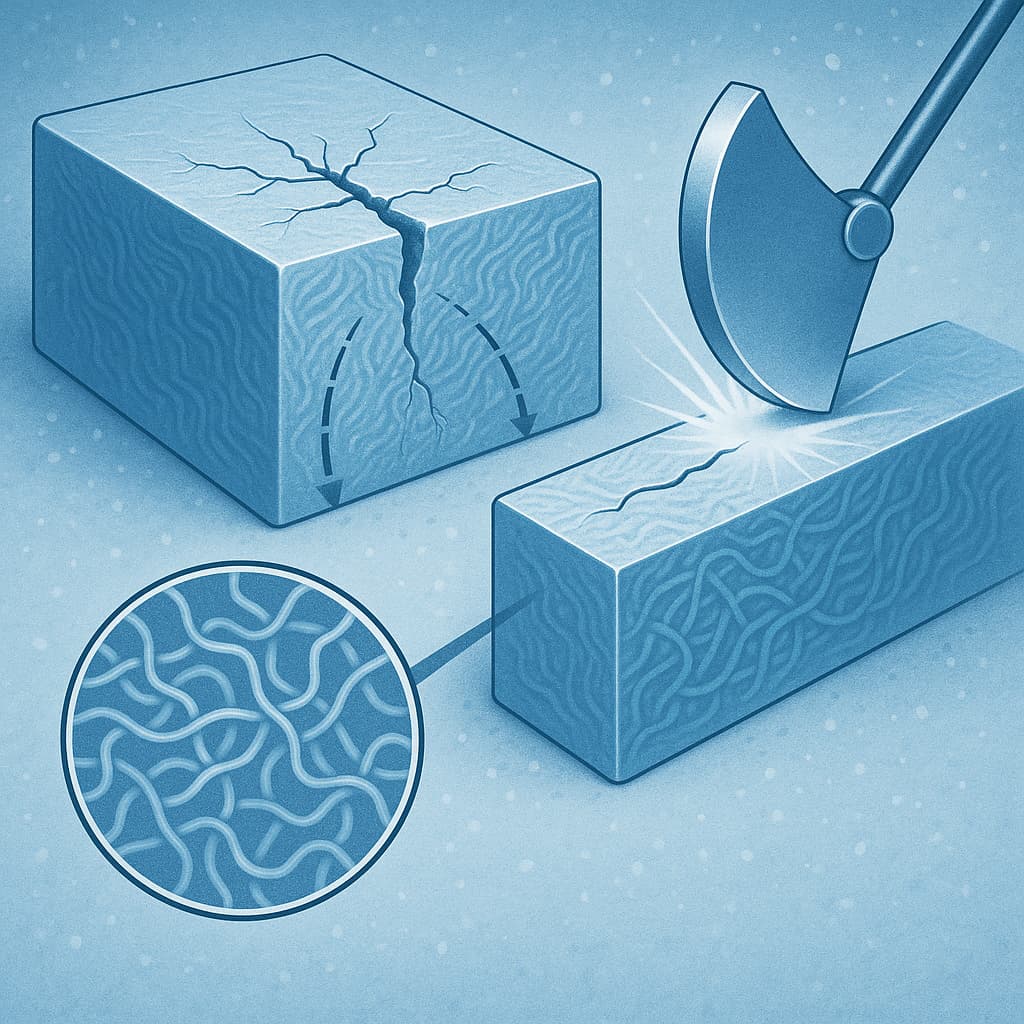
    Nylon is widely used in automotive components, outdoor devices, electrical connectors, and industrial mechanisms due to its balance of strength, wear resistance, and cost. Under normal temperatures, PA6 and PA66 maintain stable toughness, but their performance deteriorates significantly in sub-zero environments. When the temperature drops to –20°C or lower, molecular mobility decreases sharply, causing brittleness, lower impact strength, and unstable dimensional behavior. Components intended for long-term outdoor exposure or cold-climate operation therefore require specially modified nylon to ensure reliability. The loss of toughness originates from the molecular freezing effect around the glass transition temperature. As temperature drops, chain mobility is restricted, and the material transitions from a ductile to a brittle response. Impact loads can no longer be dissipated through plastic deformation, resulting in rapid crack propagation. If a component contains thin ribs, sharp corners, snap-fits, or holes, these geometries intensify stress concentration and accelerate brittle failure. For devices such as drones, snow tools, cold-climate automotive parts, and polar monitoring equipment, the consequences are severe. Low-temperature toughness enhancement typically involves rubber toughening, block copolymer structures, nano-filler modification, and molecular chain-end adjustment. Rubber toughening systems such as POE, EPDM-g-MA, and ABS-g-MA disperse small rubber domains throughout the nylon matrix. During impact, these domains initiate shear banding and localized yielding that help dissipate energy. This approach must balance stiffness, flowability, and thermal stability to avoid excessive softening. Block copolymers provide a more intrinsic modification route. By integrating flexible segments into the polymer backbone, nylon retains chain mobility even at low temperatures. This method minimizes phase separation and maintains structural uniformity, improving durability in applications requiring high reliability. Nano-filler technology further enhances low-temperature behavior. Materials such as graphene, nano-silica, and nano-elastomers improve crack propagation resistance and interfacial strength without severely reducing stiffness. Additionally, nano-scale reinforcement improves dimensional stability by reducing internal stresses caused by uneven shrinkage at low temperatures. Design strategies are equally important. Fillet transitions, uniform wall thickness, fiber orientation control, and proper gate placement all play a role. In fiber-reinforced nylon, fiber alignment strongly influences low-temperature impact performance. Excessive orientation leads to directional brittleness. Optimizing melt flow paths or altering part geometry helps mitigate these effects. Low-temperature tough nylon is widely used in front-end automotive modules, sensor brackets, housings for exterior cameras, drone landing gears, and ski equipment connectors. These components must maintain integrity at temperatures reaching –30°C or –40°C without brittle failure. Future development will focus on highly efficient toughening systems, refined molecular engineering, and multi-scale composite structures. Emerging trends include nano-elastomer reinforcement, high-crystallinity controlled structures, and bio-based cold-resistant nylons. With the rising need for extreme-environment applications, low-temperature toughness becomes not just a material property but an engineering capability influencing design, tooling, and long-term reliability evaluation.
    Read More

  • Molding Advantages of High-Flow Nylon Materials: Process Design and Application Trends of Thin-Walled Structures
    Molding Advantages of High-Flow Nylon Materials: Process Design and Application Trends of Thin-Walled Structures
    Dec 03, 2025
    High-flow nylon materials have gained prominence as industries move toward lightweight structures and increasingly complex geometries. Automotive components, electrical devices, 3D-printed parts, and compact consumer products all require materials capable of filling thin-wall sections, micro-features, and extended flow paths. Conventional nylon grades, despite their balanced mechanical, thermal, and chemical resistance properties, often struggle with limited flow behavior during injection molding. Modern high-flow nylon grades, enabled by advances in molecular weight control, lubrication packages, and optimized reinforcement systems, form a unique class of materials that improves molding performance, aesthetic quality, and structural integrity. One of the strongest advantages of high-flow nylon is its ability to fill thin-wall regions with significantly lower injection pressure. For wall thicknesses below 0.6 mm, standard PA6 or PA66 grades tend to generate short shots, uneven filling, and visible weld lines. High-flow grades exhibit less sensitivity to shear, allowing the melt to maintain low viscosity even at high shear rates. As a result, thin-wall molds can be fully packed without excessive pressure or clamp force, reducing energy consumption and extending equipment life. Their enhanced front-flow stability ensures more complete filling in micro-ribs and elongated features, improving dimensional fidelity. High-flow nylon also improves the thermal balance of thin-wall molding. Because the melt fills the cavity more rapidly, solidification occurs more uniformly, minimizing internal stress and cold spots in regions with variable thickness. This contributes directly to improved fatigue resistance and long-term durability. Surface aesthetics benefit as well; reduced melt viscosity allows the polymer to replicate fine mold textures with superior clarity. For reinforced grades, glass or carbon fibers disperse more evenly, lowering the visibility of flow marks and fiber streaks. From a tooling perspective, high-flow nylon gives engineers greater design freedom. Fewer gate points are needed to achieve complete filling, reducing weld-line formation and enhancing overall appearance. The material’s reduced sensitivity to mold temperature allows stable molding even under moderate thermal conditions, shortening cycle times. Lower injection pressure also reduces mechanical stress on molds, extending their usable life. Industrial demand for high-flow nylons continues to grow. Electric vehicles rely on thin-wall connectors, compact motor housings, and complex structural components that benefit from extended flow capability. In 3D printing, high-flow nylon formulations help stabilize melt behavior in powder bed fusion, improving density and dimensional accuracy. Consumer electronics and smart devices increasingly utilize thin, lightweight enclosures and precision snap-fits, applications where high-flow nylon delivers enhanced durability and structural reliability. Future research will focus on balancing flow performance with mechanical strength and thermal stability. Advances in nano-reinforcement, interfacial chemistry, and polymer chain architecture will enable new high-flow compounds suitable for extreme environments and more integrated structural designs. As thin-wall structures continue to dominate product development, high-flow nylon will remain a key material driving innovation across multiple industries.
    Read More
1 2
A total of2pages

Leave a Message

Leave a Message
If you are interested in our products and want to know more details,please leave a message here,we will reply you as soon as we can.
submit

Home

Products

WhatsApp

contact